Later Mughals, European Advent & Regional States
Overview
| Cue Words | Notes |
|---|---|
| 18th Century Transition Overview | Decline of central Mughal authority (post-1707) created power vacuum filled by regional successor states and European mercantile companies. EIC emerged victorious after defeating both Indian rivals and European competitors. |
1. The Later Mughals: Chronology & Key Titles
| Cue Words | Notes |
|---|---|
| Bahadur Shah I (1707–12) | Known as "Shah-i-Bekhabar". Attempted reconciliation with Sikhs/Marathas. |
| Jahandar Shah (1712–13) | Introduced Izara (Revenue farming) and abolished Jizya. |
| Farrukhsiyar (1713–19) | Issued 1717 Farman (Magna Carta of Company). Controlled by Sayyid Brothers. |
| Muhammad Shah (1719–48) | Known as "Rangeela". Witnessed invasion of Nadir Shah (1739) and independence of Hyderabad. |
| Shah Alam II & Bahadur Shah II | Shah Alam II (1759–1806): Participated in Battle of Buxar (1764). Bahadur Shah II (1837–57): Last Mughal; exiled to Rangoon after 1857 Revolt. |
2. The Later Mughals: External Shocks
| Cue Words | Notes |
|---|---|
| Nadir Shah (1739) | Defeated Mughals at Battle of Karnal. Looted Peacock Throne and Kohinoor. |
| Ahmad Shah Abdali | Invaded eight times. Defeated Marathas in Third Battle of Panipat (1761), ending Maratha all-India dreams. |
3. Advent of Europeans: Chronology & First Factories
| Cue Words | Notes |
|---|---|
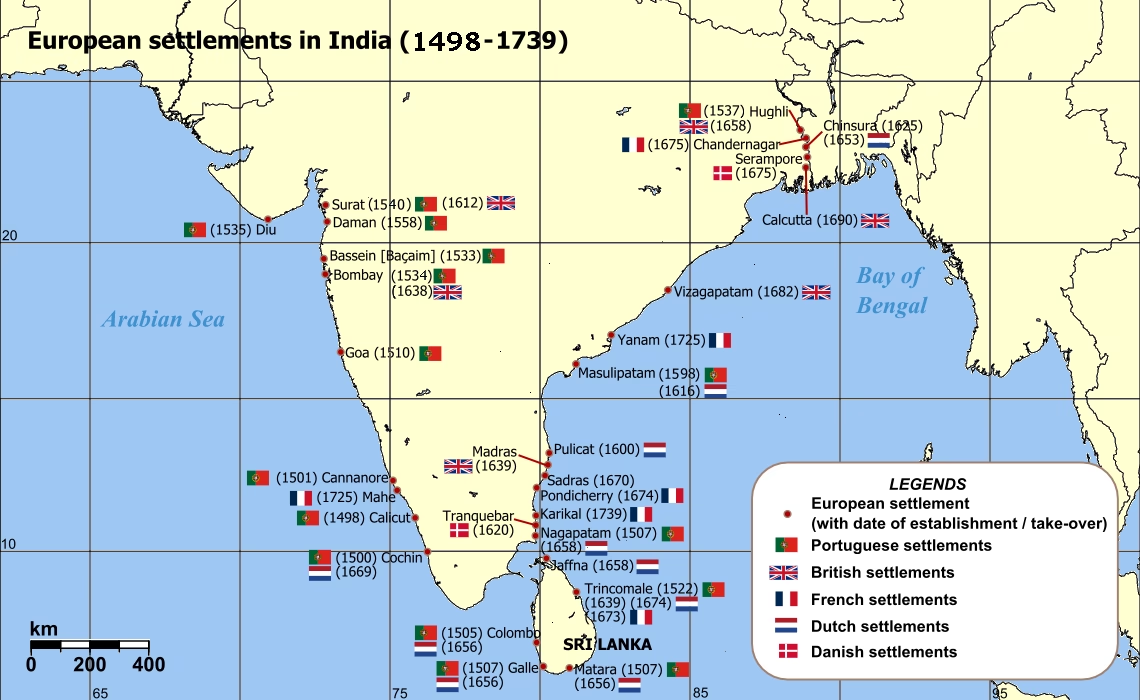
| Arrival Order | Portuguese (P) → Dutch (D) → English (E) → Danish (Da) → French (F). |
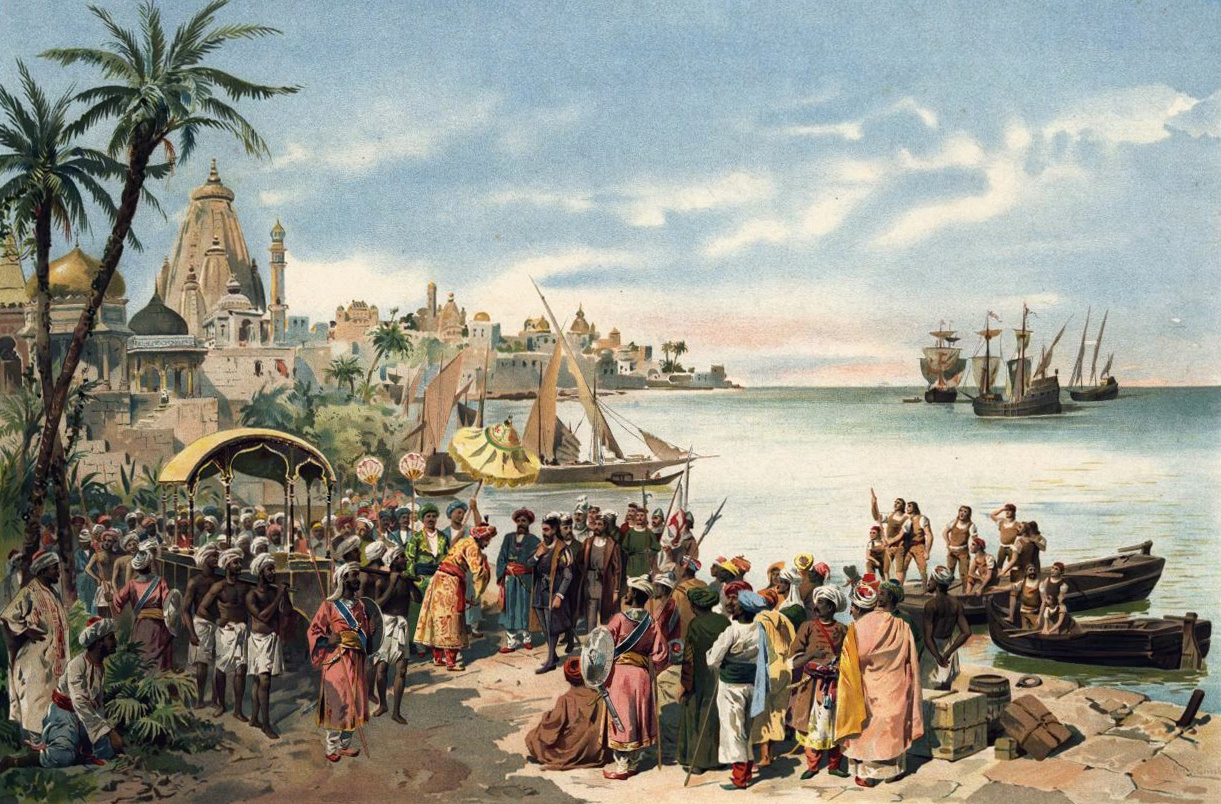
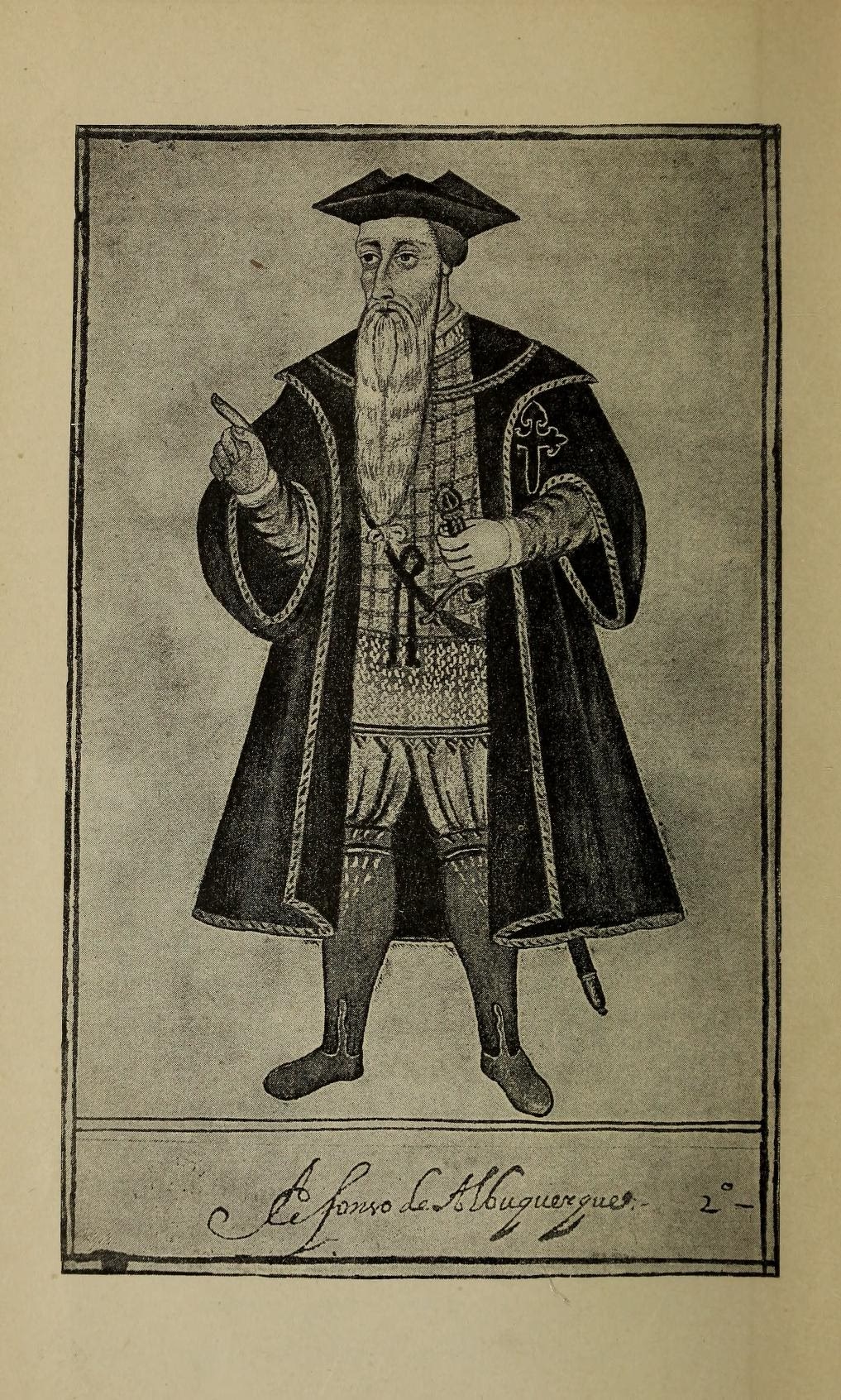
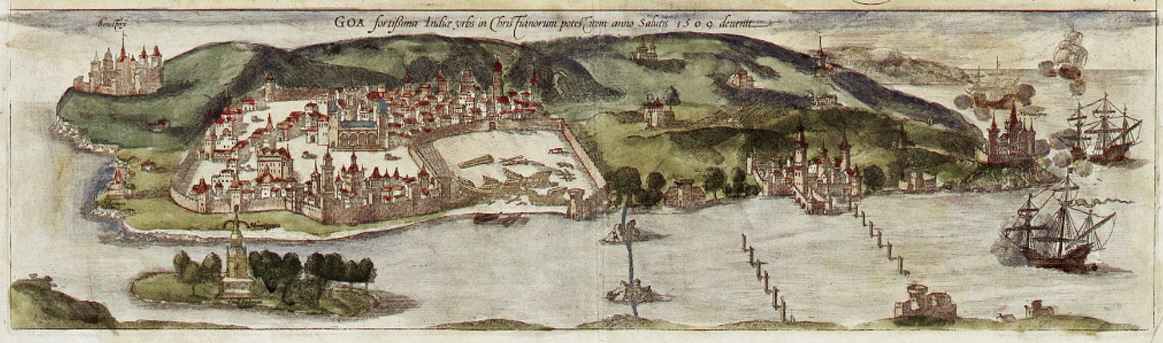
| Portuguese Governors & Cartaze | Vasco da Gama arrived Calicut 1498 (welcomed by Zamorin). Francisco de Almeida: Blue Water Policy. Alfonso de Albuquerque: Real founder, captured Goa (1510) from Bijapur. Nino da Cunha shifted capital to Goa (1530). Cartaze System: Naval trade license. |
| Dutch, Danish & French | Dutch (1602): 1st factory Masulipatam (1605), defeated at Battle of Bedara (1759). Danish (1616): HQ Serampore. French (1664): 1st factory Surat (1668), Pondicherry HQ (Francois Martin). |
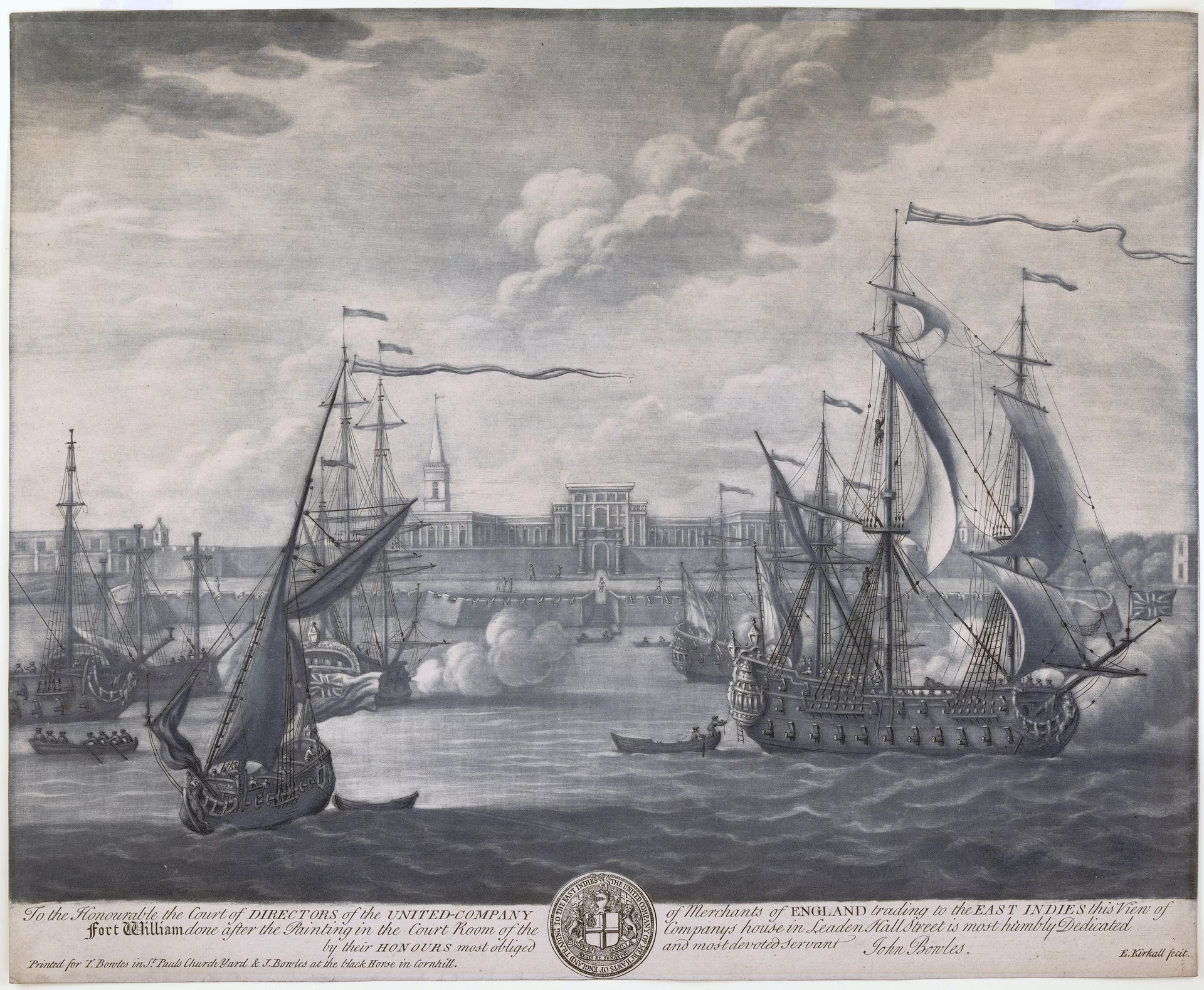
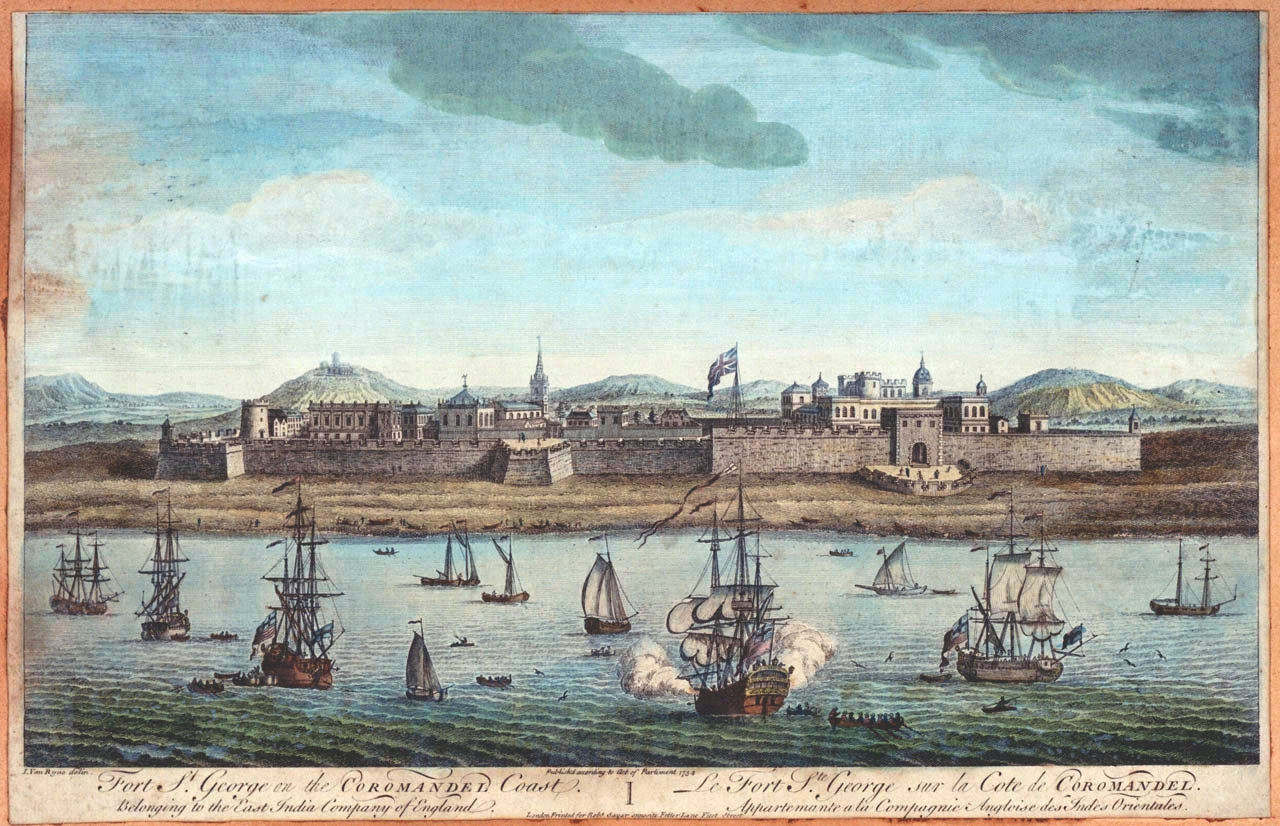
| English East India Company | 1st factory Surat (1613). Golden Farman (Golconda, 1632). Fort St. George (Madras, 1639 by Francis Day). Fort William (Calcutta, 1690/1700 by Job Charnock). Farrukhsiyar Farman (1717). |
4. Anglo-French Rivalry: The Carnatic Wars (1744–1763)
| Cue Words | Notes |
|---|---|
| First Carnatic War (1746–48) | Battle of St. Thome; ended with Treaty of Aix-la-Chapelle. Dupleix introduced Subsidiary Alliance concept. |
| Second Carnatic War (1749–54) | Battle of Ambur; ended with Treaty of Pondicherry. |
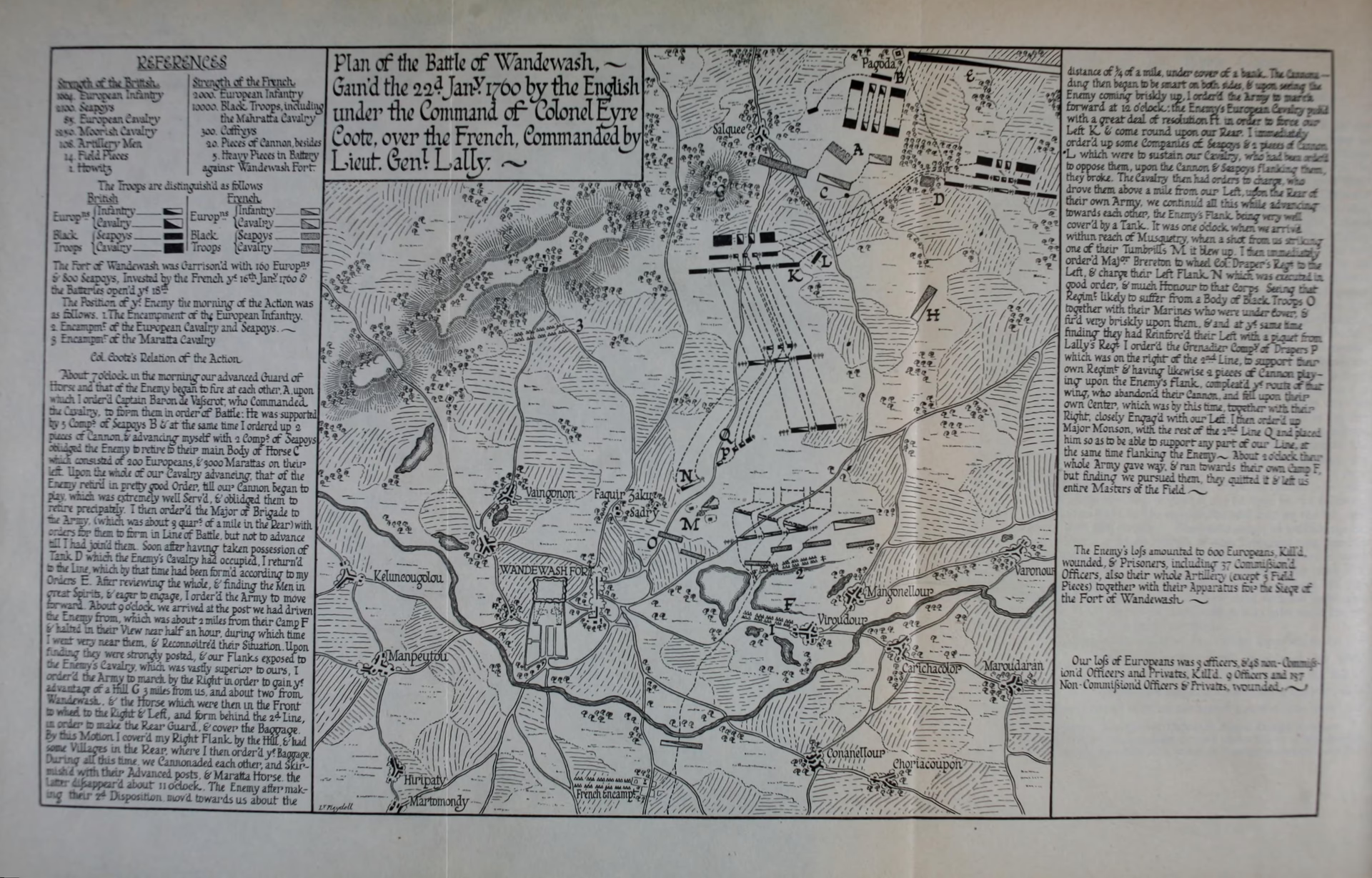
| Third Carnatic War (1758–63) | Battle of Wandiwash (1760): British (Eyre Coote) defeated French (Lally). Treaty of Paris (1763). |
5. Regional Successor & Rebel States
| Cue Words | Notes |
|---|---|
| Successor States (Hyderabad, Bengal, Awadh) | Hyderabad (1724): Nizam-ul-Mulk. Bengal: Murshid Quli Khan. Awadh: Saadat Khan (Burhan-ul-Mulk). |
| Rebel States (Sikhs, Marathas, Jats, Mysore) | Marathas expanded under Peshwas. Sikhs unified by Maharaja Ranjit Singh (Sukerchakia Misl, Treaty of Amritsar 1809). Jats (Bharatpur): Suraj Mal. Mysore: Haider Ali & Tipu Sultan. |
UPSC High-Yield Recall & Exam Traps
| Cue Words | Notes |
|---|---|
| European Arrival Sequence | P-D-E-Da-F (Portuguese, Dutch, English, Danish, French). |
| First Factories Comparison | British (Surat), French (Surat), Portuguese (Calicut/Cochin), Dutch (Masulipatam). |
| Albuquerque Goa Capture | Captured Goa from Sultan of Bijapur (not Mughals). |
| Wandiwash Significance (1760) | Established British supremacy over French in India. |
| Ranjit Singh Misl | Belonged to Sukerchakia Misl. |
📜 EIC Charter & Anglo-Dutch Rivalry
- Royal Charter (1600): The English East India Company was founded on 31 December 1600 via a Royal Charter granted by Queen Elizabeth I, giving it a 15-year monopoly on English trade with the East.
- Amboyna Massacre (1623): Dutch forces executed English traders at Amboyna (Indonesia), effectively driving the English out of the lucrative Spice Islands and redirecting English commercial focus toward the Indian subcontinent.
- Treaty of Aix-la-Chapelle (1748): Ended the First Carnatic War by restoring Madras to the British in exchange for Louisbourg (a French-captured fortress in North America) — an early sign that Indian and European theatres were diplomatically linked.
Supplemental Asset Directory
- Vasco da Gama at Calicut Port:
- Alfonso de Albuquerque Portrait:
- Portuguese Settlements & Goa Map:
- EIC Subscription List (1599) - Page 1:
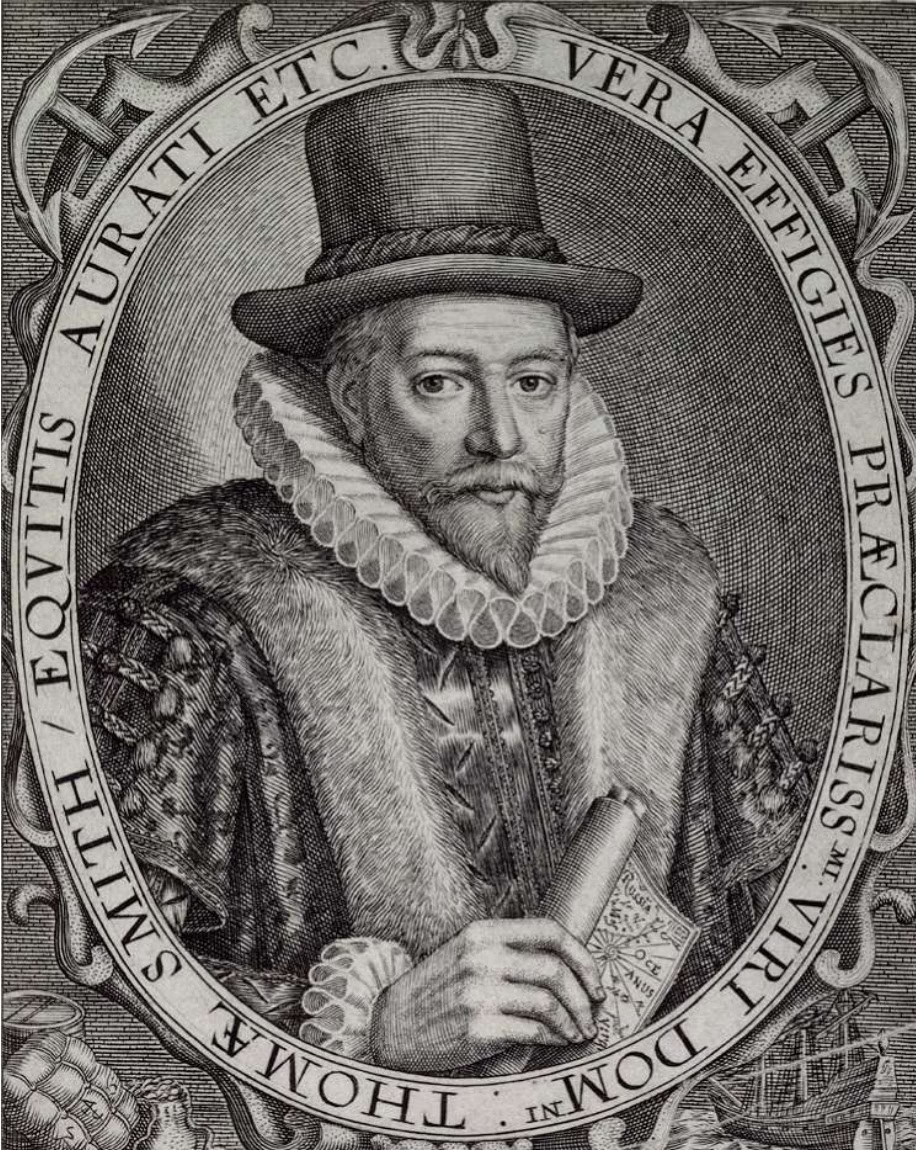
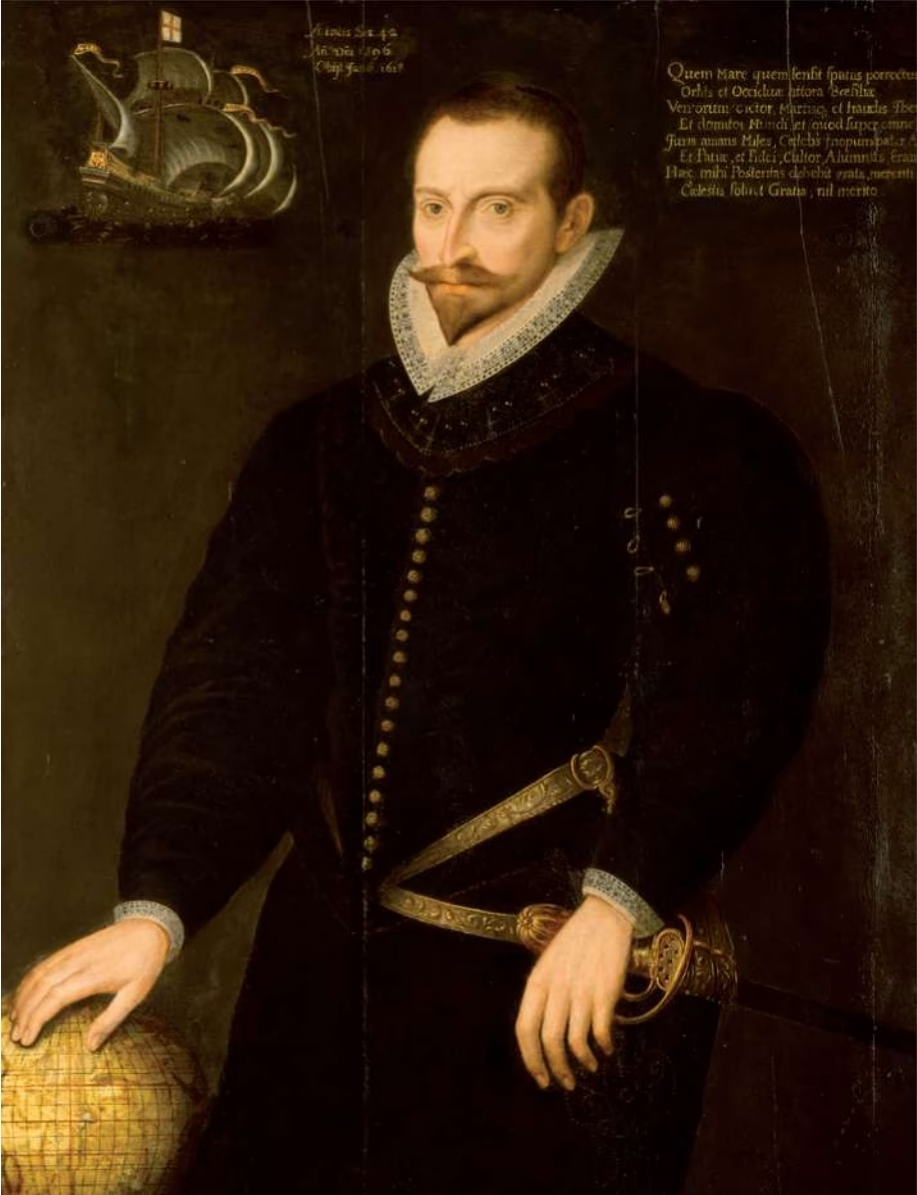
- EIC Subscription List (1599) - Page 2:
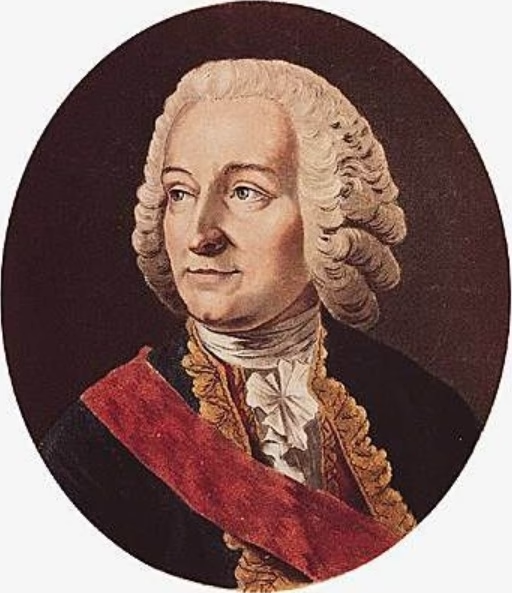
- Joseph François Dupleix Portrait:
- Battle of Wandiwash (1760):
- European Settlements in India Map:
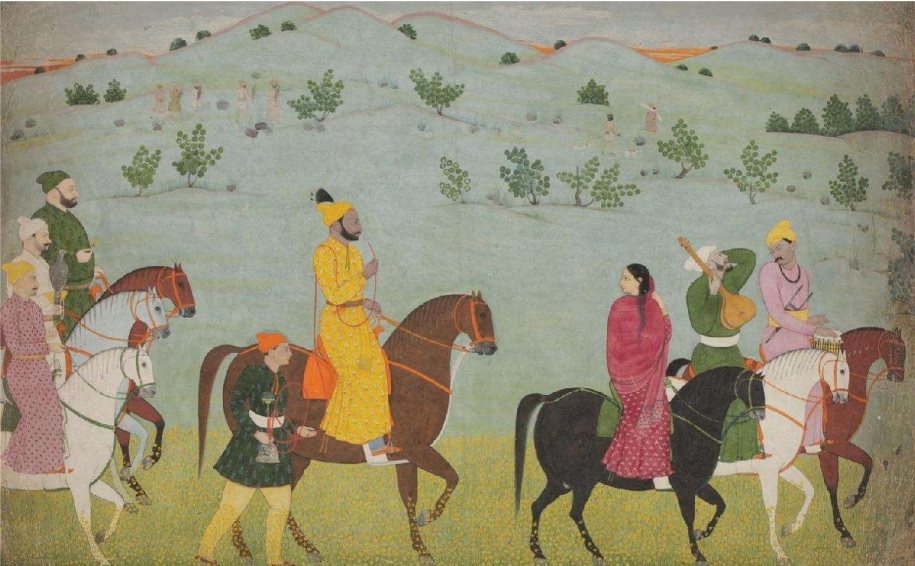
- Red Fort, Delhi (Aerial View 1770):
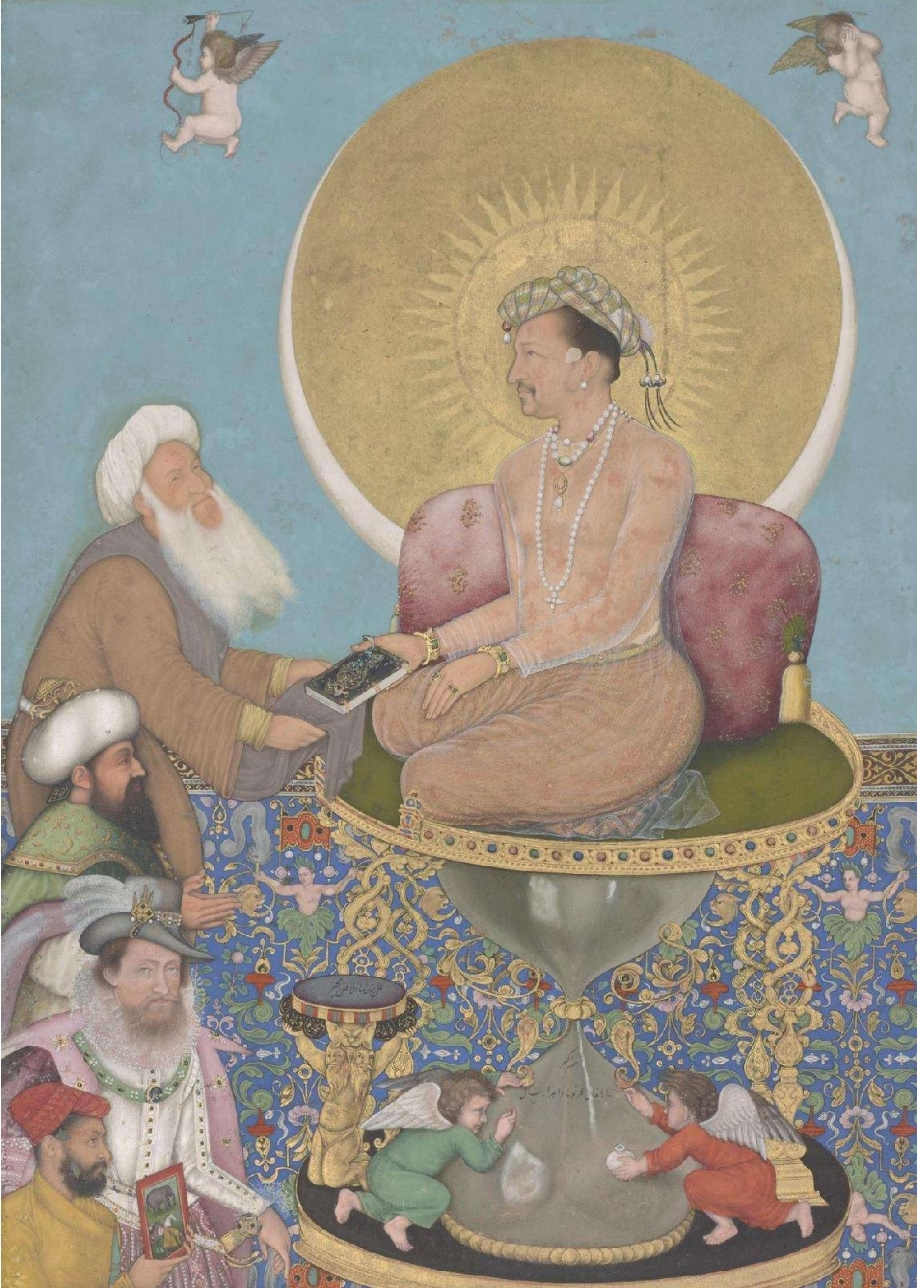
- Sir Thomas Roe at Jahangir's Court:
- Fort St. George, Madras:
- Fort William, Calcutta: