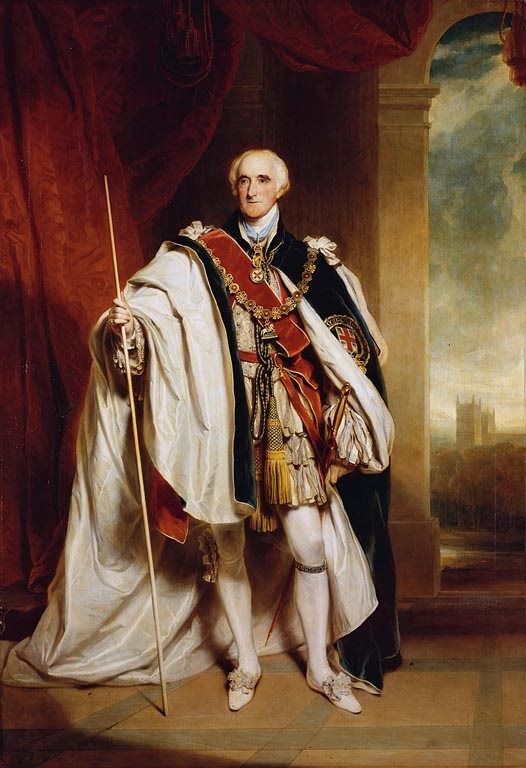
British Expansion: Battles, Treaties & Annexations
Overview
| Cue Words | Notes |
|---|---|
| British Expansion Overview | Between 1757 and 1856, EIC transformed from commercial entity into paramount political power in India through military conquests (Plassey, Buxar), diplomacy, and policies like Subsidiary Alliance and Doctrine of Lapse. |
1. Conquest of Bengal: Plassey to Buxar
| Cue Words | Notes |
|---|---|
| Battle of Plassey (1757) | Clive defeated Siraj-ud-daula via Mir Jafar's treachery. |
| Battle of Buxar (1764) | Hector Munro defeated combined forces of Mir Qasim, Shuja-ud-daula (Awadh), and Shah Alam II (Mughal). Broke Mughal imperial legitimacy. |
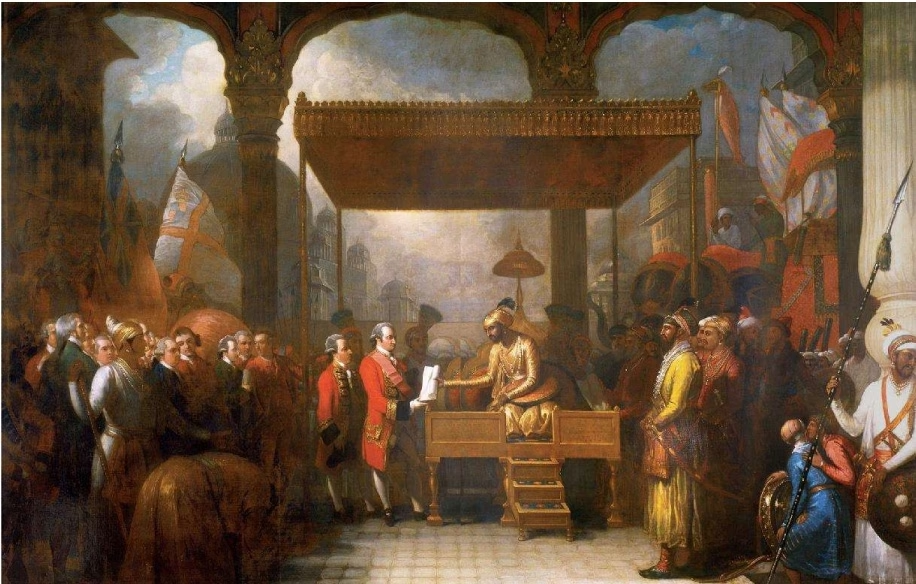
| Treaty of Allahabad (1765) | Diwani rights of Bengal, Bihar, and Orissa granted to EIC. |
| Dual Government (1765–72) | Introduced by Clive (Power without responsibility); abolished by Warren Hastings. |
2. Resistance in South & Central India
| Cue Words | Notes |
|---|---|
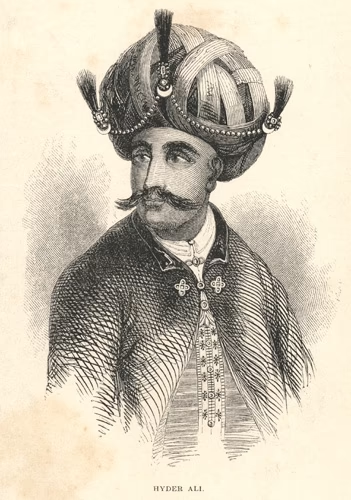
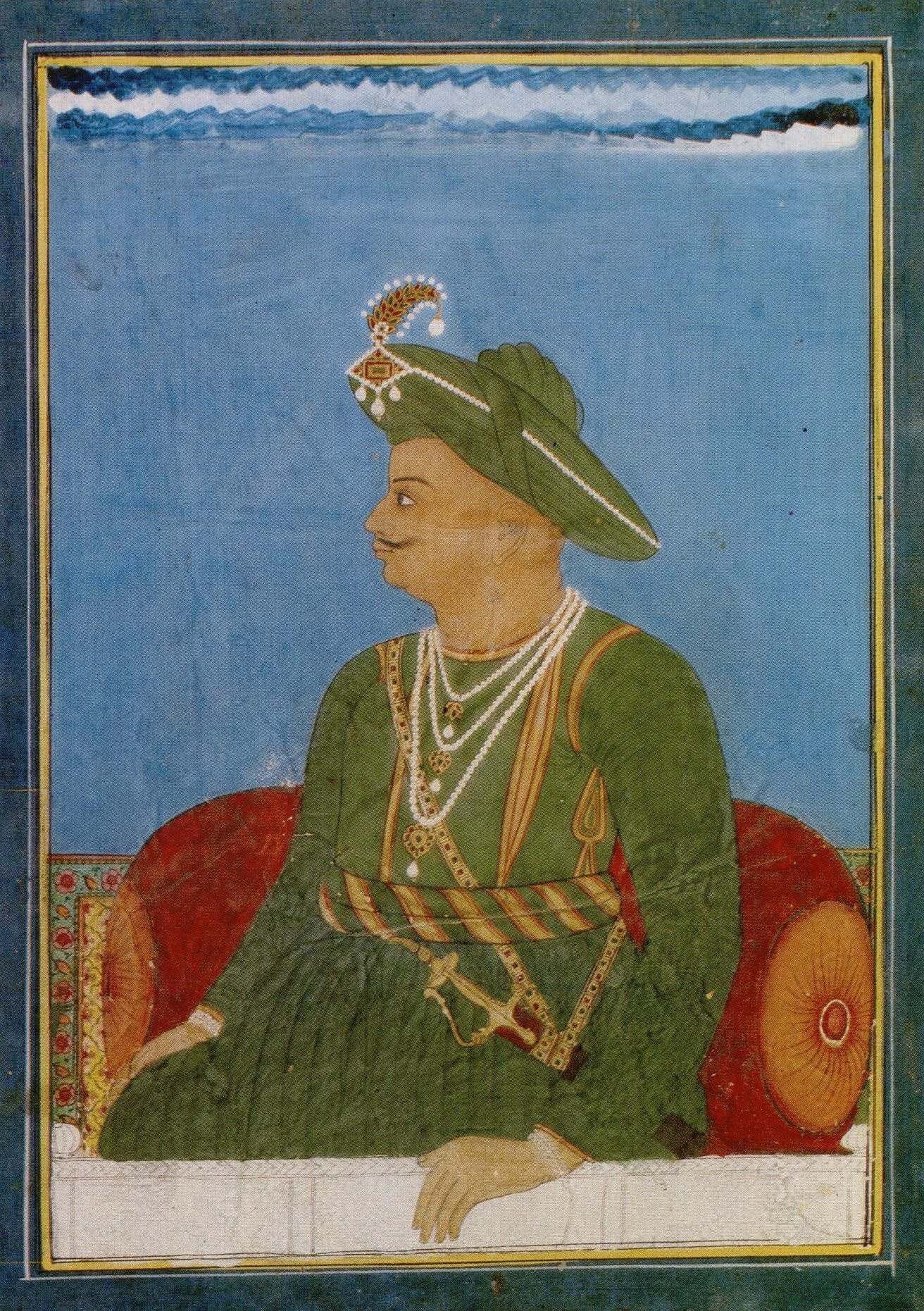
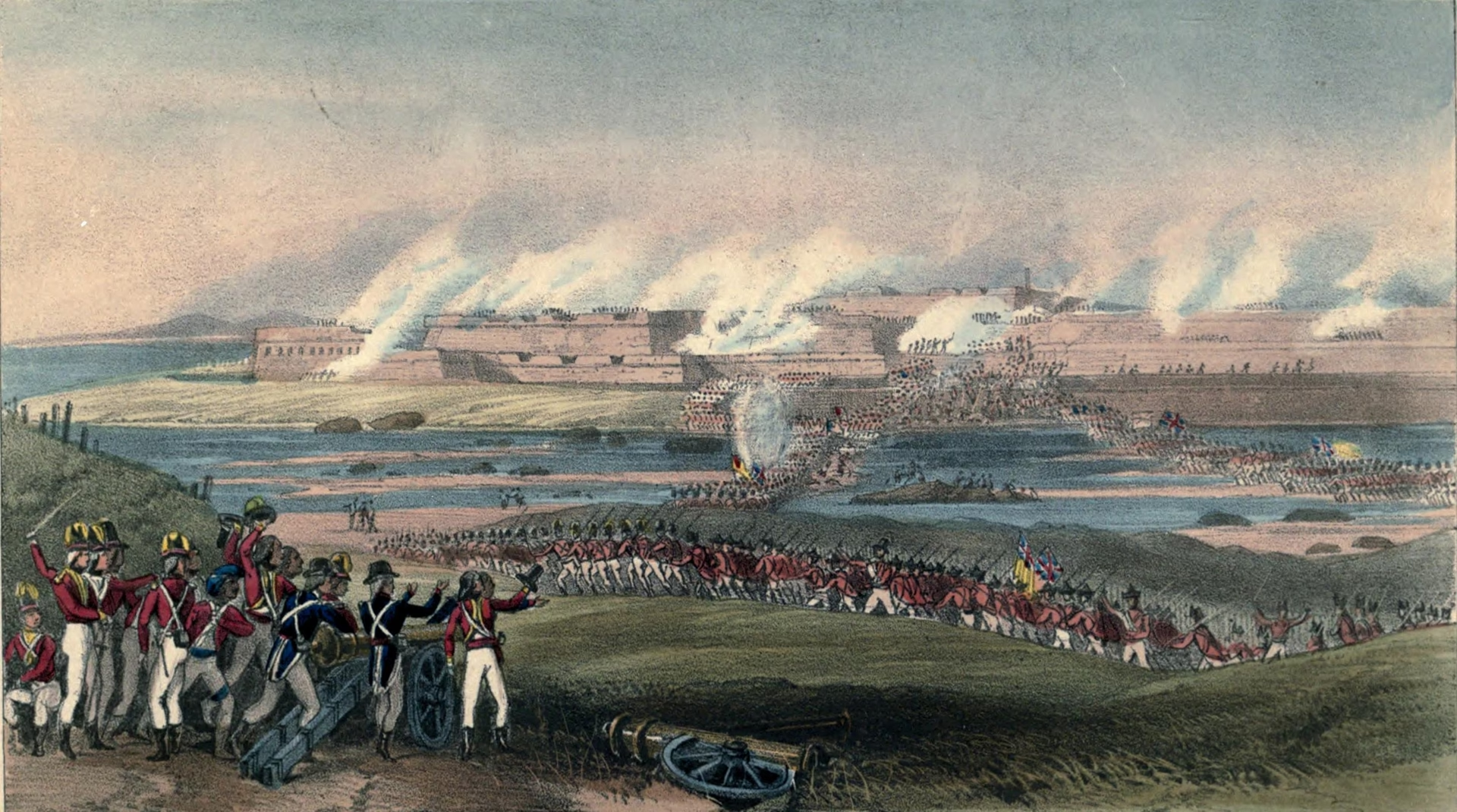
| Anglo-Mysore Wars (1767–1799) | Haidar Ali modernized army with French help. Tipu Sultan ("Tiger of Mysore") planted Tree of Liberty at Seringapatam (member of Jacobin Club). Tipu died in 4th War at Battle of Seringapatam (1799). |
| Anglo-Maratha Wars (1775–1818) | War 1: Treaty of Salbai (1782, 20 yrs peace). War 2: Treaty of Bassein (1802, Peshwa Baji Rao II accepted Subsidiary Alliance). War 3 (1817-18): Peshwaship abolished. |
3. Frontier Expansion: Punjab, Sindh & Nepal
| Cue Words | Notes |
|---|---|
| Anglo-Nepal War (1814–16) | Ended with Treaty of Sugauli (fixed India-Nepal boundary). |
| Annexation of Sindh (1843) | Executed by Sir Charles Napier ("Peccavi"). |
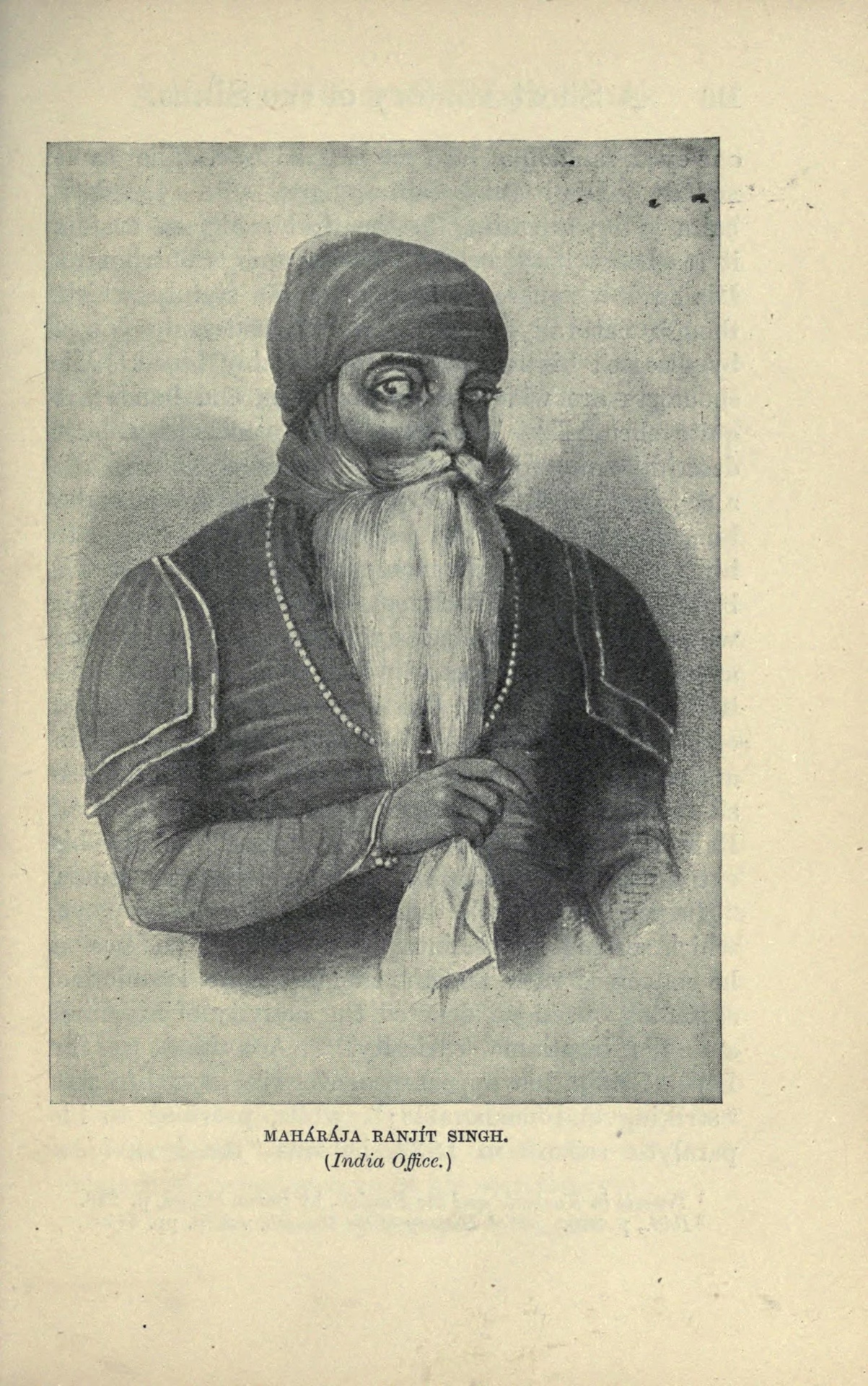
| Sikh Empire & Punjab Wars | Maharaja Ranjit Singh (Sukerchakia Misl, Treaty of Amritsar 1809). Two Punjab Wars led to annexation of Punjab in 1849 by Lord Dalhousie. |
4. Administrative Annexation Systems
| Cue Words | Notes |
|---|---|
| Subsidiary Alliance (Lord Wellesley) | State maintains British contingent, accepts Resident, cedes foreign policy. Order: Hyderabad (1798) → Mysore (1799) → Tanjore (1799) → Awadh (1801) → Peshwa (1802). |
| Doctrine of Lapse (Lord Dalhousie) | Annexation if ruler dies without natural male heir. Order: Satara (1848) → Sambalpur (1849) → Udaipur (1852) → Jhansi (1854) → Nagpur (1854). |
| Annexation of Awadh (1856) | Annexed on grounds of "Maladministration / Misgovernment" (not Doctrine of Lapse). |
UPSC High-Yield Recall & Exam Traps
| Cue Words | Notes |
|---|---|
| Plassey vs Buxar Decisiveness | Buxar (1764) broke Mughal imperial legitimacy and was more decisive than Plassey. |
| First Subsidiary Alliance State | Hyderabad in 1798. |
| First Doctrine of Lapse State | Satara in 1848. |
| Awadh Annexation Ground | Annexed in 1856 due to "Maladministration", not Doctrine of Lapse. |
⚔️ Battle of Assaye & Anglo-Sikh Wars
- Battle of Assaye (1803): During the Second Anglo-Maratha War, Arthur Wellesley (later Duke of Wellington) defeated the combined Scindia-Bhonsle Maratha forces despite being heavily outnumbered — he later called it his finest battlefield achievement, even ranking it above Waterloo.
- First Anglo-Sikh War (1845–46): Ended with the Treaty of Lahore (1846), which ceded Jalandhar Doab to the British and reduced the Sikh army.
- Second Anglo-Sikh War (1848–49): Triggered by the revolt at Multan; ended in the final annexation of Punjab in 1849 under Lord Dalhousie.
Supplemental Asset Directory
- Robert Clive at Plassey (1757):
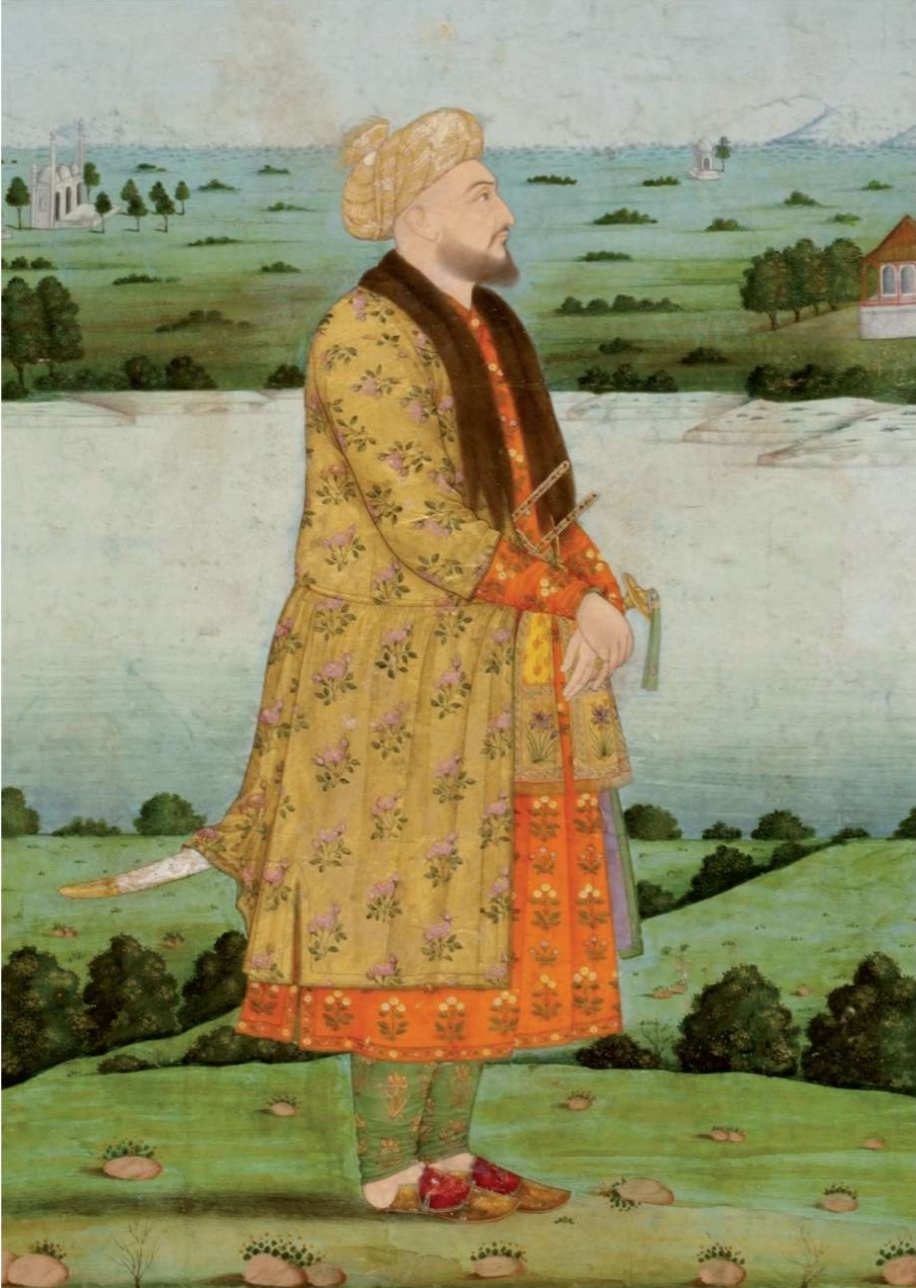
- Major Hector Munro (1785):
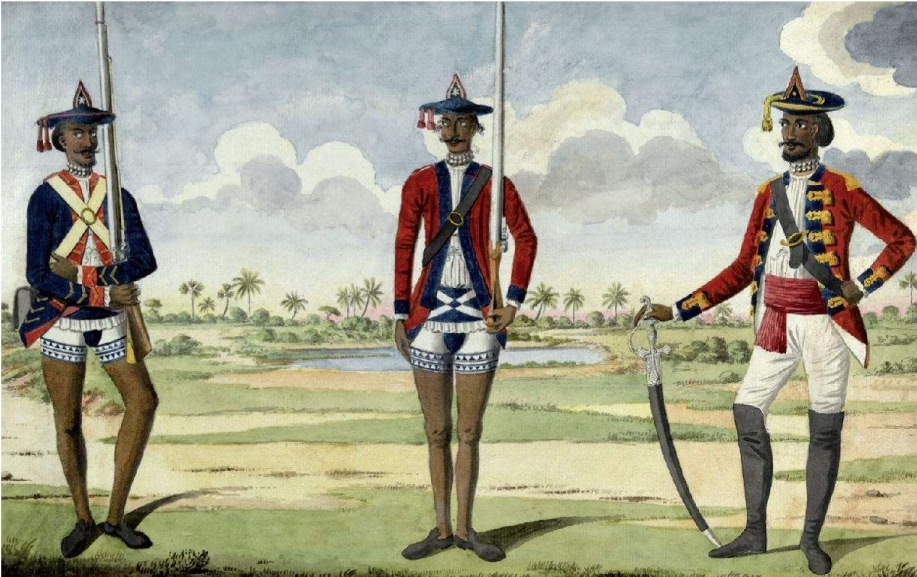
- Shah Alam II granting Diwani to Robert Clive:
- Hyder Ali Portrait:
- Tipu Sultan Portrait:
- The Storming of Seringapatam (1799):
- The Death of Tipu Sultan (1799):
- East India Company Sepoy Cavalry (1780):
- Maharaja Ranjit Singh Portrait:
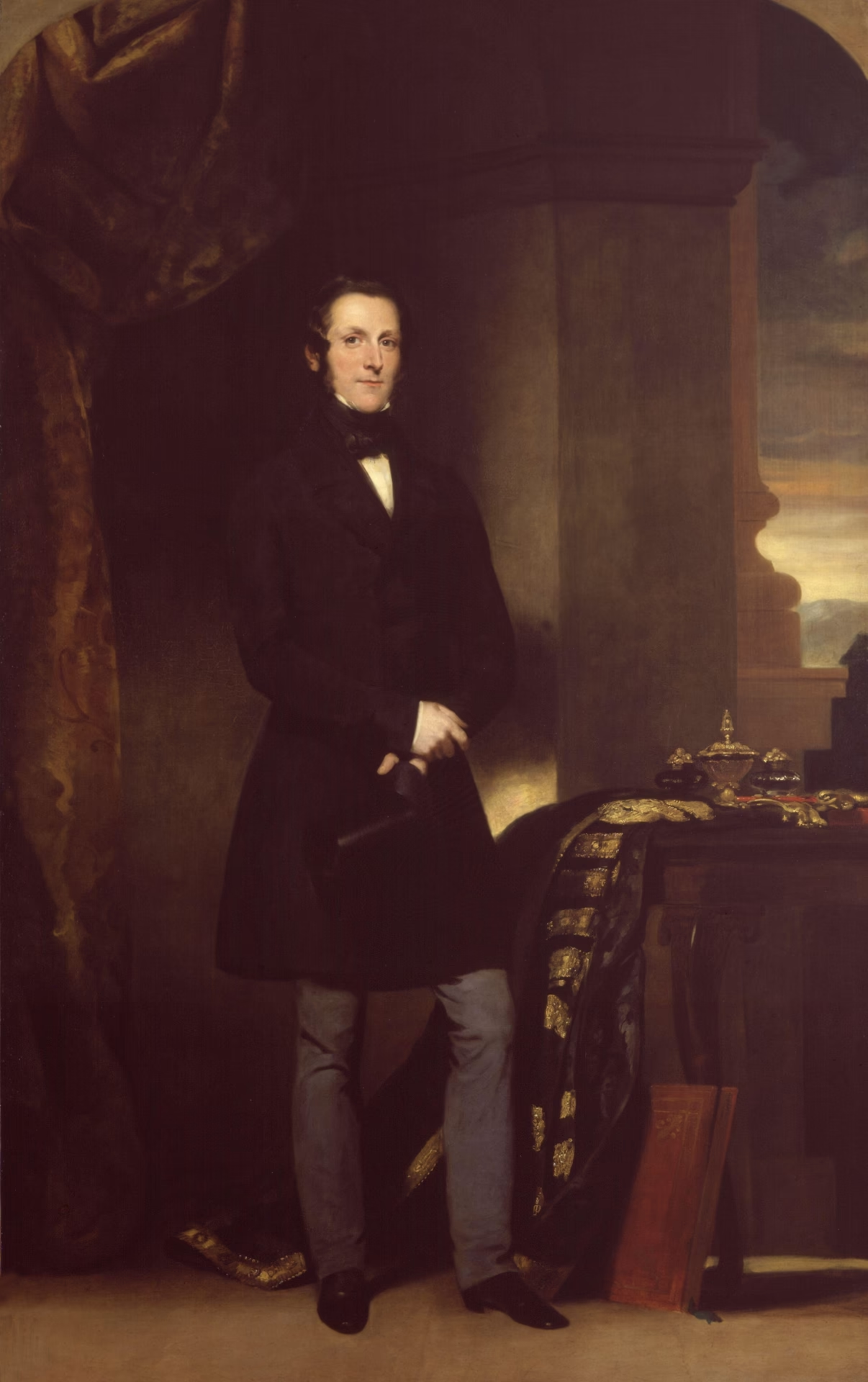
- Lord Dalhousie Portrait:
- Lord Wellesley Portrait: