Religious Movements of Ancient India
Overview
| Cue Words | Notes |
|---|---|
| Religious Movements Overview | Heterodox sects in 6th century BCE challenging Vedic ritual orthodoxy, cattle sacrifice, and caste hierarchy. Buddhism focused on Four Noble Truths and Eightfold Path; Jainism emphasized extreme non-violence (Ahimsa) and austerity. |
1. Gautam Buddha — Life, Symbols & Core Philosophy
| Cue Words | Notes |
|---|---|
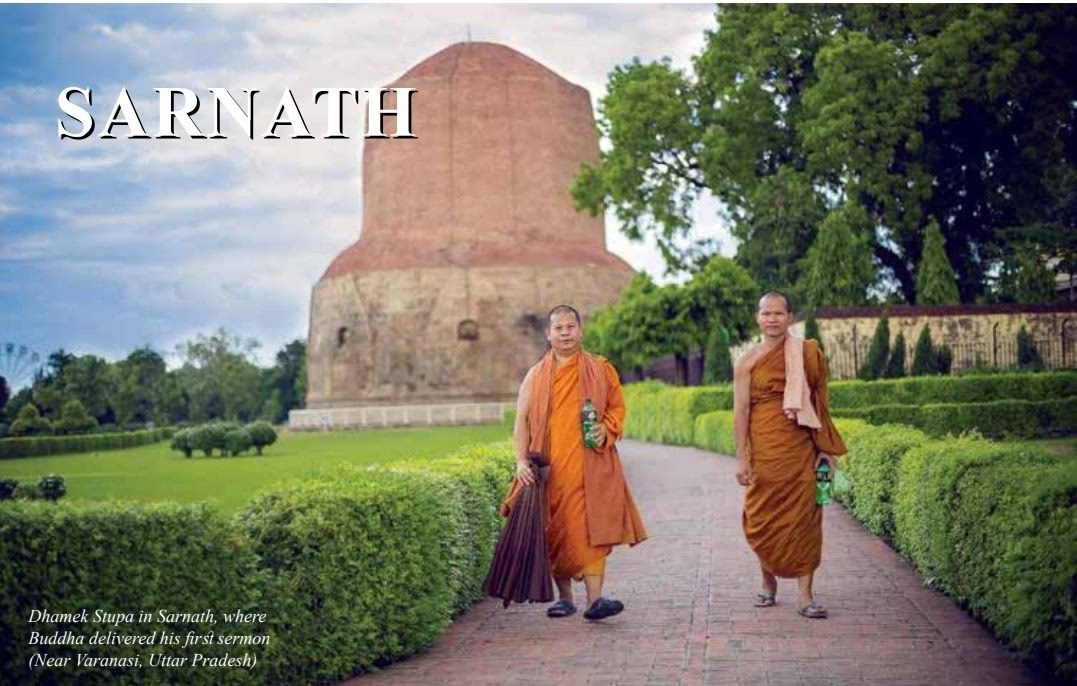
| Life Events & Symbols | Birth: Lumbini (Lotus & Elephant). Renunciation: Mahabhinishkramana (Horse Kanthaka). Enlightenment: Bodh Gaya (Peepal Tree). First Sermon: Dharmachakra-pravartana at Sarnath (Wheel). Death: Mahaparinirvana at Kushinagar (Stupa). |
| Core Philosophy | Four Noble Truths (Suffering, Desire cause, Nirvana end, Eightfold Path). Pratitya Samutpada (Dependent Origination), Middle Path (Madhyam Marg), No permanent soul (Anattā). |
2. Buddhist Councils & Sects
| Cue Words | Notes |
|---|---|
| Four Buddhist Councils | 1st (483 BCE, Rajagriha): Ajatashatru; Vinaya Pitaka & Sutta Pitaka compiled. 2nd (383 BCE, Vaishali): Kalasoka; split into Sthaviravadins & Mahasamghikas. 3rd (247 BCE, Pataliputra): Ashoka; Abhidhamma Pitaka compiled. 4th (72 CE, Kundalvana): Kanishka; split into Hinayana & Mahayana. |
| Hinayana vs Mahayana | Hinayana: Individual liberation (Arhat), Buddha as historical teacher, Pali texts, SE Asia. Mahayana: Universal liberation (Bodhisattva), divine Buddha worshipped, Sanskrit texts, East/Central Asia. |
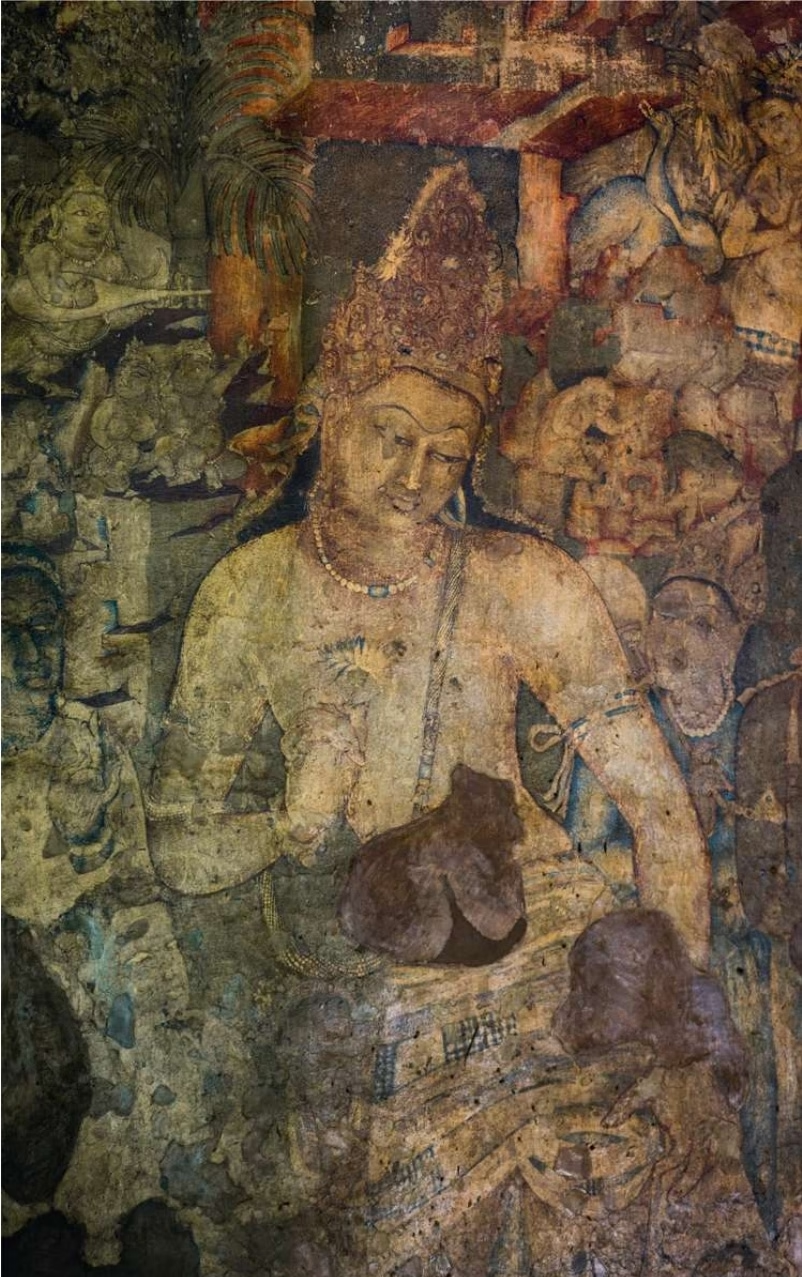
| Bodhisattvas & Schools | Bodhisattvas: Avalokiteshvara (Compassion/Lotus), Maitreya (Future Buddha), Vajrapani (Power/Thunderbolt), Manjushri (Wisdom/Sword). Schools: Theravada, Sarvastivada, Vajrayana. |
3. Other Heterodox Sects & Vardhamana Mahavira
| Cue Words | Notes |
|---|---|
| Other Heterodox Sects | Ajivikas: Makkhali Gosala (Niyati / Fatalism, Barabar caves). Ucchedavada: Ajita Kesakambalin (Materialism). Akriyavada: Purana Kassapa (Amoralism). |
| Mahavira & Tirthankaras | Mahavira: 24th Tirthankara (Lion symbol, added Brahmacharya vow). 1st: Rishabhadev (Bull); 23rd: Parshvanatha (Snake, 4 vows). Born at Kundagrama, died at Pavapuri. |
4. Jain Philosophy, Sects & Architecture
| Cue Words | Notes |
|---|---|
| Jain Philosophy & Councils | Goal: Moksha (karma elimination). Triratna: Right Faith, Knowledge, Conduct. 5 Mahavratas. Anekantavada (manifold truth) & Syadvada. Santhara/Sallekhana (fasting to death). Councils: Pataliputra (~300 BCE), Vallabhi (512 CE). |
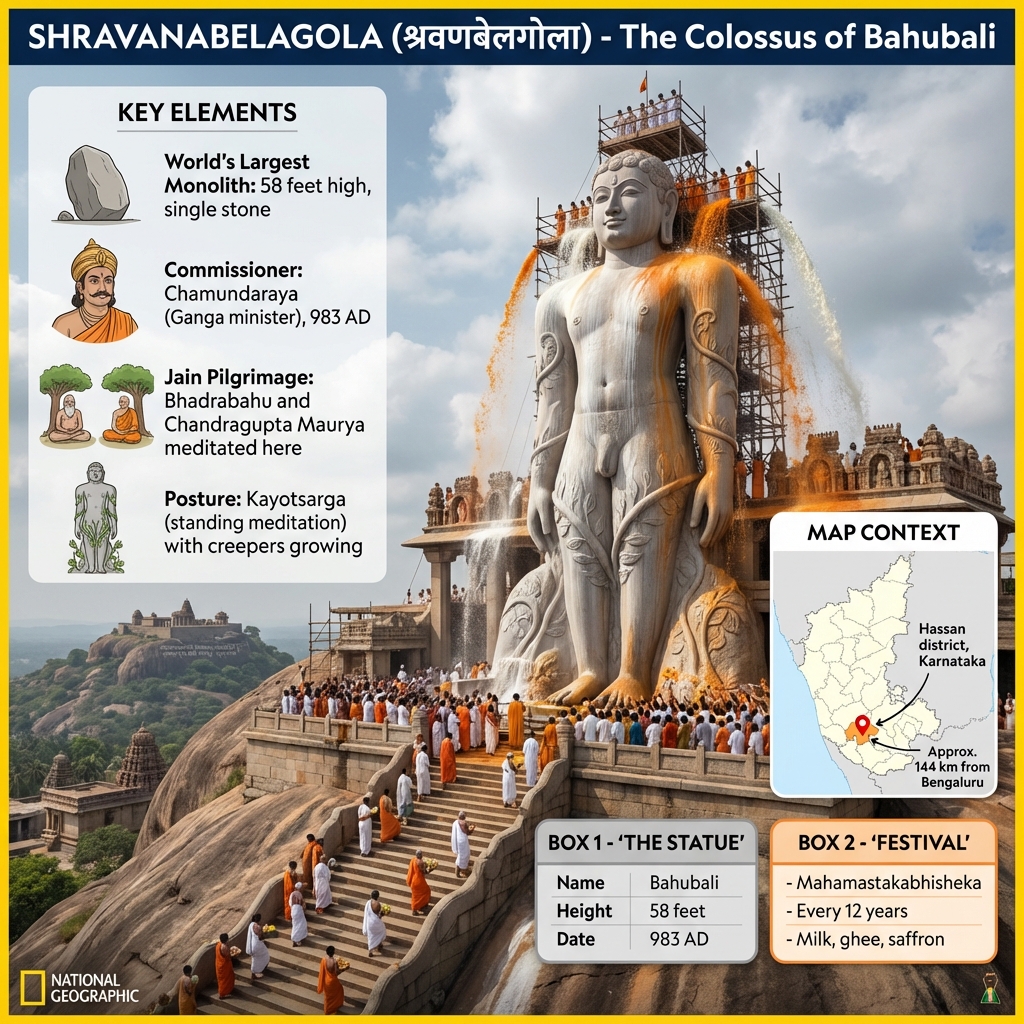
| Digambara vs Shvetambara | Digambara: Sky-clad/nude, original Agamas lost, women cannot attain Moksha in same birth, Shravanabelagola centre. Shvetambara: White clothes, accept Agamas, women can attain Moksha, Gujarat/Rajasthan. |
| Jain Architecture | Dilwara (Mt Abu), Palitana (Gujarat), Udayagiri-Khandagiri (Hathigumpha inscription of Kharavela, Odisha), Shravanabelagola (Gommateshwara statue, Karnataka). |
UPSC High-Yield Recall & Exam Traps
| Cue Words | Notes |
|---|---|
| Nayaputta vs Tathagata | Nayaputta refers to Mahavira; Shakyamuni and Tathagata refer to Buddha. |
| Mahasanghika Stronghold | Dhanyakataka (Amaravati) was a major Mahasanghika stronghold. |
| Mundaka Upanishad Source | Source of Satyameva Jayate (not Katha or Chandogya). |
| Jain Animism Belief | Belief that even rocks, water, and plants possess souls (Jiva). |
Supplemental Asset Directory
- Buddhist Sites Map:
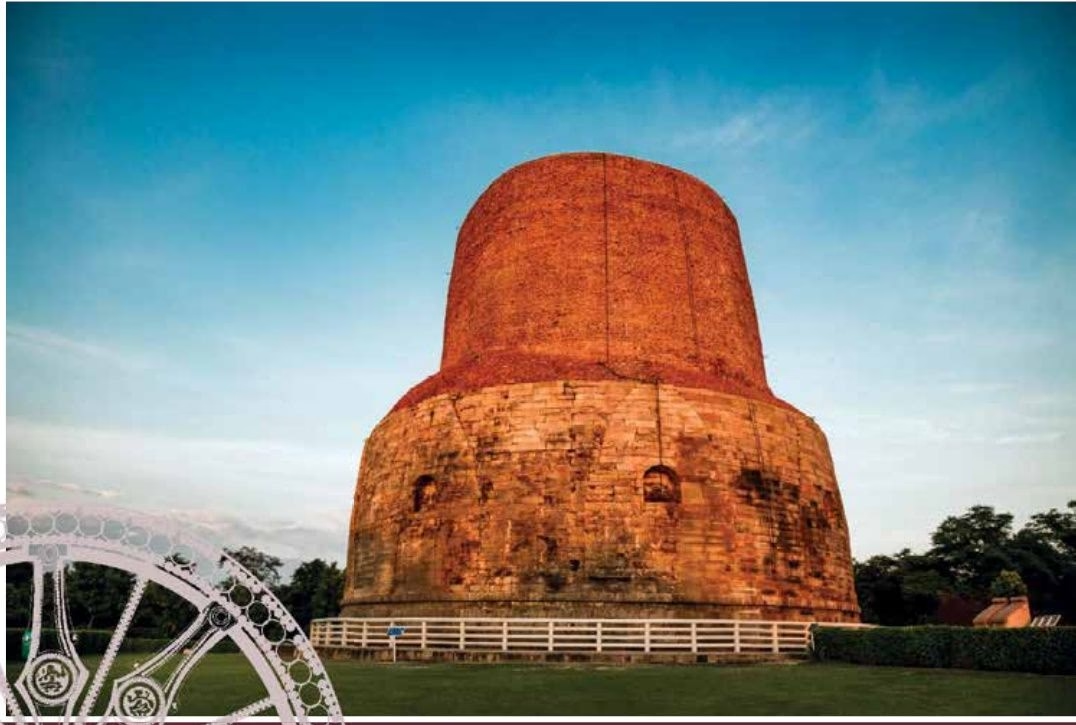
- Sarnath: Dhamek Stupa:
- Bodhisattva Avalokitesvara (Ajanta):
- Shravanabelagola Gomateshwara:
Later Vedic Period, Mahajanapadas & Religious Movements
UPSC Prelims Focused Notes — converted with zero-loss precision from source notes (LVP 1000–600 BC; Mahajanapadas & Rise of Magadha; Buddhism & Jainism).
Later Vedic Period (1000 B.C. – 600 B.C.)
Later Vedic Period — Political Organisation
Central chain of change: Discovery of IRON → Agriculture Economy → Reforms in Society and Religion.
Later Vedic Political Organisation | |
|---|---|
| Cue Words | Notes |
| Trace Aryan expansion and territorial reorganisation in the Later Vedic Period. |
|
| List royal sacrifices and their political purposes. |
|
| How did tribal assemblies change in the Later Vedic Period? |
|
Later Vedic Period — Society, Varna & Ashrama
Later Vedic Society | |
|---|---|
| Cue Words | Notes |
| Explain the 4-fold varna system and Dwija concept. |
|
| Assess the status of women in Later Vedic society. |
|
| List the ashramas and corresponding purusharthas. |
|
Later Vedic Period — Economy, Iron & Material Culture
Later Vedic Economy | |
|---|---|
| Cue Words | Notes |
| Link iron technology to the pastoral-to-agrarian shift. |
|
| Recall main crops, taxes, officers and crafts. |
|
Later Vedic Period — Religion
Later Vedic Religion | |
|---|---|
| Cue Words | Notes |
| How did the pantheon and religious practice change from Early to Later Vedic? |
|
Later Vedic Period — Literature (Shruti, Smriti & Four Vedas)
Vedic Literature Framework | |
|---|---|
| Cue Words | Notes |
| Distinguish Shruti vs Smriti and Karma Kanda vs Gyana Kanda. |
|
| Detail Rigveda structure, mandalas and key suktas. |
|
| Summarise Samaveda, Yajurveda and Atharvaveda. |
|
Later Vedic Period — Aranyakas, Upanishads, Vedangas, Puranas, Epics
Post-Samhita Literature | |
|---|---|
| Cue Words | Notes |
| What are Aranyakas and major Upanishadic teachings? |
|
| List the 6 Vedangas and divisions of Kalpa Sutra. |
|
| Summarise Puranas, Dharma Shastra, Epics and Shatapatha Brahmana. |
|
Buddhism & Jainism
Causes of Rise of Unorthodox / Nastika Philosophy
Rise of Heterodox Sects | |
|---|---|
| Cue Words | Notes |
| Why did unorthodox (Nastika) philosophies rise in the 6th century B.C.? |
|
Buddhism — Life of Buddha, Symbols, Doctrines
Buddhism Core Doctrines | |
|---|---|
| Cue Words | Notes |
| Map major life events of Gautama Buddha with their symbols. |
|
| Outline biography of Gautama Buddha (563 BC–483 BC). |
|
| State the Four Noble Truths (Arya Satya). |
|
| List the Eightfold Path items given as theme of the 1st Sermon. |
|
| Recall the Five Precepts and Triratna of Buddhism. |
|
Buddhism — Scholars, Literature, Spread & Decline
Buddhist Scholars and Literature | |
|---|---|
| Cue Words | Notes |
| Match important Buddhist scholars with their works/roles. |
|
| Structure the Tripitaka and non-canonical Buddhist texts. |
|
| List reasons for spread/popularity and decline of Buddhism. |
|
Buddhism — Six Councils
Buddhist Councils | |
|---|---|
| Cue Words | Notes |
| Tabulate all six Buddhist councils with time, place, chairman and patron. |
|
Buddhism — Schools, Sects & Comparative Dimensions
Schools of Buddhism | |
|---|---|
| Cue Words | Notes |
| Trace the first and major divisions of Buddhist schools. |
|
| Detail Sthaviravadin (Theravada) line and its subsects. |
|
| Detail Mahasanghika line and Mahayana philosophical schools. |
|
| Compare Hinayana, Mahayana and Vajrayana across key dimensions. |
|
| List major Bodhisattvas and their attributes. |
|
| Define key monastic terms: Nirvana, Sheel, Upasampada, Vassa, Uposatha, Pavarana. |
|
Buddhism — Rajgir, Residences, Death & Related Events
Buddha Residences and Related Events | |
|---|---|
| Cue Words | Notes |
| Explain the importance of Rajgir for Buddhism and Jainism. |
|
| List Buddha’s residences, patrons and key events around the Sangha. |
|
| Recount the death of Buddha and later sacred sites. |
|
Comparison — Buddhism vs Jainism & Six Orthodox Philosophies
Buddhism vs Jainism and Orthodox Schools | |
|---|---|
| Cue Words | Notes |
| Compare Buddhism and Jainism on core doctrinal dimensions. |
|
| Summarise the Six Orthodox (Astika) philosophies. |
|
Jainism — Origin, Mahavira & Philosophy
Jainism Core | |
|---|---|
| Cue Words | Notes |
| State origin of Jainism and list early Tirthankaras. |
|
| Outline life of Vardhamana Mahavira (540–468 B.C.). |
|
| Explain core philosophy of Jainism. |
|
| List Mahavrata–Anuvrata (5 vows) and Seven Tattvas. |
|
| Describe Jain Sangha composition and related terms. |
|
Jainism — Councils, Sects, Philosophies & Royal Patrons
Jain Councils and Sects | |
|---|---|
| Cue Words | Notes |
| Tabulate the Jain Councils. |
|
| Explain the Digambara–Shvetambara division and their differences. |
|
| Define Anekantavada, Syadvada, Ananta-Chatushtaya and list royal patrons. |
|
Jainism — Tirthankaras, Symbols, Nirvana Places & Literature
Tirthankaras and Jain Texts | |
|---|---|
| Cue Words | Notes |
| List Tirthankaras with symbols and places of Nirvana as given in source. |
|
| Catalogue Jain texts and composers (Shvetambara & Digambara). |
|
Other Famous Philosophies (Ajivika, Charvaka, Kapalika)
Other Heterodox / Related Philosophies | |
|---|---|
| Cue Words | Notes |
| Summarise Ajivika, Charvaka and Kapalika schools. |
|
Mahajanapadas & Rise of Magadha
16 Mahajanapadas — Overview & List
Second Urbanisation of India; by 6th BC, focus of political activity moved from western to eastern Gangetic plain.
Sixteen Mahajanapadas | |
|---|---|
| Cue Words | Notes |
| What were Mahajanapadas and which sources list them? |
|
| List all 16 Mahajanapadas with capital, modern location and key notes. |
|
Rise of Magadha — Geographical, Economic, Cultural & Political Factors
Reasons for Rise of Magadha | |
|---|---|
| Cue Words | Notes |
| Analyse geographical factors behind Magadha’s rise. |
|
| Analyse economic factors behind Magadha’s rise. |
|
| Analyse cultural/societal and political factors. |
|
Important Dynasties of Magadha — Brihadratha to Haryanka
Early Magadha Dynasties | |
|---|---|
| Cue Words | Notes |
| Note Brihadratha and Pradyota dynasties. |
|
| Detail Bimbisara of the Haryanka (Hayanaka) Dynasty. |
|
| Detail Ajatashatru and Udayin. |
|
Important Dynasties of Magadha — Sisunaga & Nanda
Sisunaga and Nanda Dynasties | |
|---|---|
| Cue Words | Notes |
| Detail Sisunaga dynasty rulers. |
|
| Detail Nanda Dynasty (345 B.C. – 321 B.C.) — first non-Kshatriya dynasty. |
|
Magadha Empire — Society, Economy, Administration
Other Important Aspects of Magadha | |
|---|---|
| Cue Words | Notes |
| Describe Magadhan society, villages and social order. |
|
| Detail Magadhan economy, coins, pottery and taxation. |
|
| List Magadhan administrative officers. |
|
Foreign Invasions during Magadha Dynasties
Achaemenid and Alexander Invasions | |
|---|---|
| Cue Words | Notes |
| Explain the Achaemenid (Persian/Iranian) invasion of India (~500 B.C.). |
|
| Outline Alexander’s invasion (327 BC – 325 BC). |
|