Post-Mauryan Period (185 BCE–319 CE)
Overview
| Cue Words | Notes |
|---|---|
| Post-Mauryan Overview | Era of political fragmentation and new regional dynasties (Sungas, Kanvas, Satavahanas, Kharavela) alongside foreign incursions (Indo-Greeks, Shakas, Parthians, Kushanas). Flourishing Indo-Roman trade and Gandhara/Mathura/Amaravati art. Deep South entered Sangam Age. |
1. Indigenous Dynasties (North, Kalinga & Deccan)
| Cue Words | Notes |
|---|---|
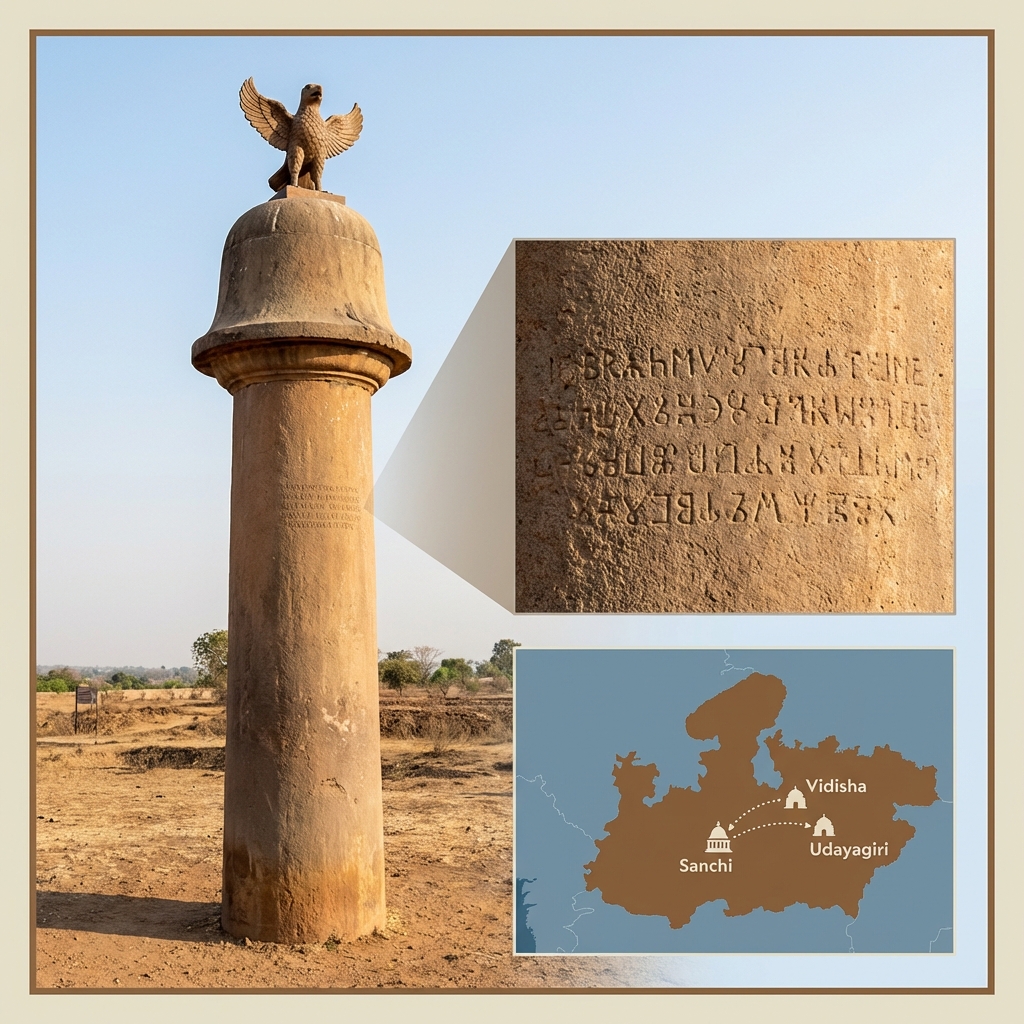
| Sunga & Kanva Dynasties | Sunga (185–73 BCE): Pushyamitra Sunga performed two Ashvamedha sacrifices; patronised Patanjali (Mahabhashya); Besnagar Heliodorus pillar. Kanva (73–28 BCE): Vasudeva Kanva. |
| Kharavela of Kalinga | Chedi dynasty ruler; Hathigumpha Inscription records 13-year reign in Prakrit. Ardent Jain patron who built Udayagiri-Khandagiri caves. |
| Satavahanas of Deccan | Capital at Paithan (Godavari). First dynasty to initiate tax-free land grants (Pariharas) to Brahmins/monks. Used metronymics but patrilineal. Lead/potin/silver coins (no gold). Gautamiputra Satakarni (Ekabamhana, Nashik inscription). Hala wrote Gathasattasai. |
2. Foreign Invasions (North-West)
| Cue Words | Notes |
|---|---|
| Indo-Greeks & Shakas | Indo-Greeks (Menander/Milinda): First to issue Gold coins and portrait coins; Milindapanho. Shakas (Rudradaman I): Junagarh Inscription in chaste Sanskrit, repaired Sudarsana Lake. |
| Parthians & Kushanas | Parthians: Gondophernes (St. Thomas visit). Kushanas: Kanishka I started Saka Era (78 CE), convened 4th Buddhist Council, controlled Silk Route; Vima Kadphises issued large gold Dinaras. |
3. Art Schools & Sangam Age
| Cue Words | Notes |
|---|---|
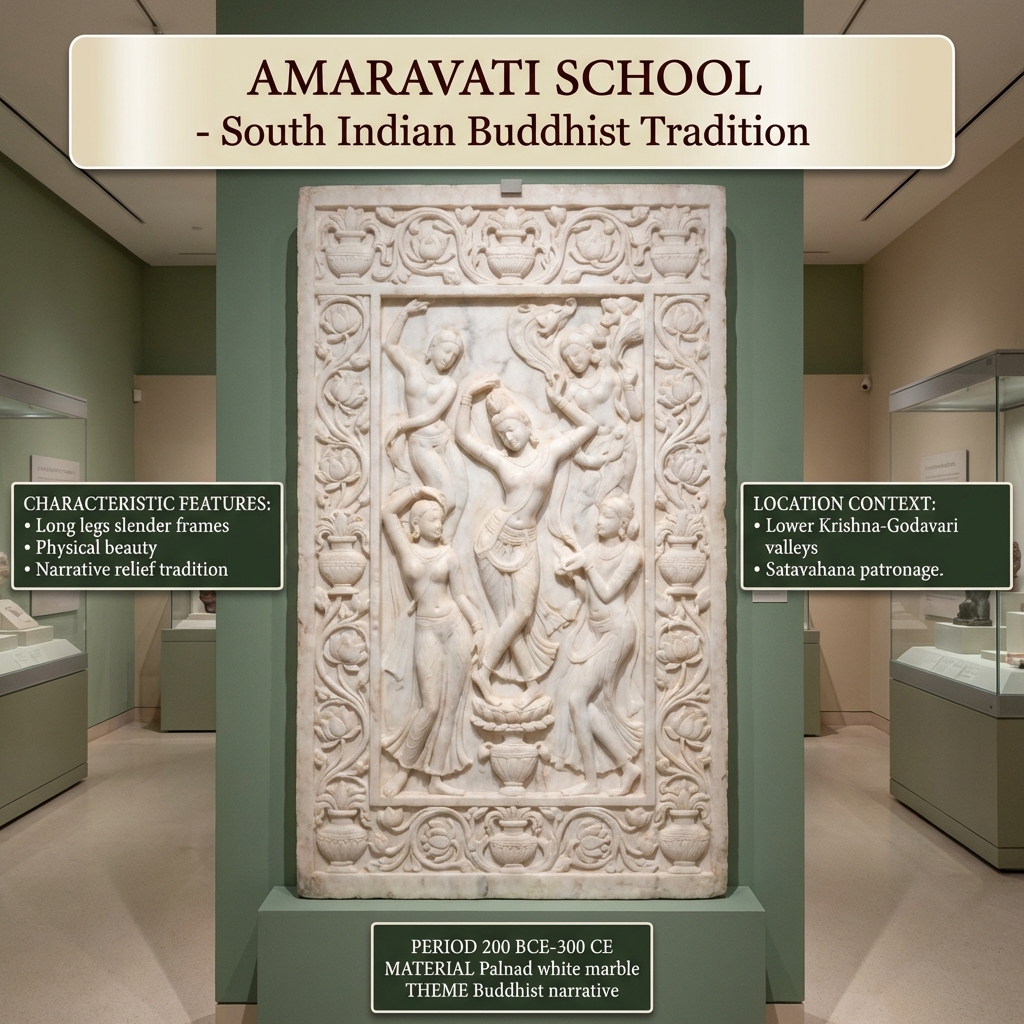
| Gandhara vs Mathura vs Amaravati | Gandhara: Blue-grey schist, Greco-Roman influence, Mahayana Buddhist. Mathura: Red spotted sandstone, purely indigenous, Hindu/Jain/Buddhist. Amaravati: White marble/limestone, narrative Jataka scenes. |
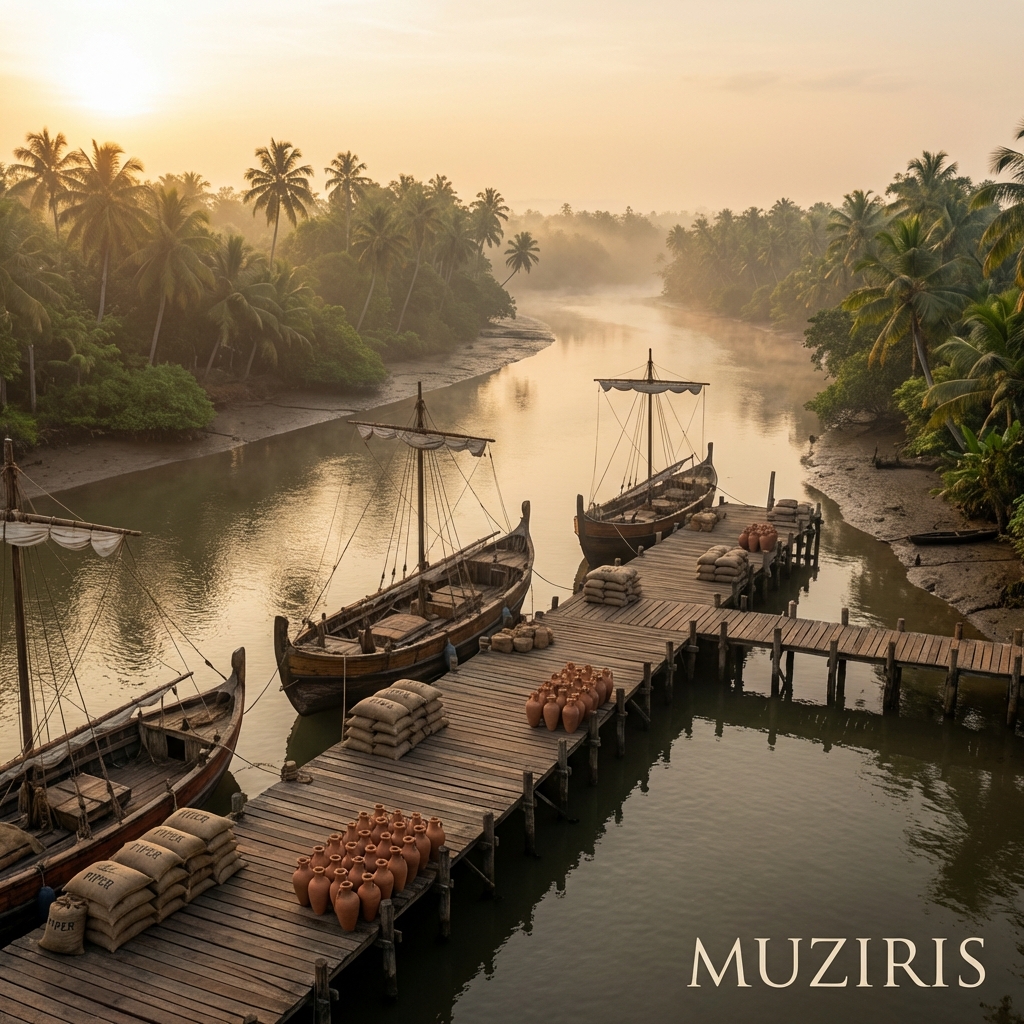
| Sangam Age & Three Kingdoms | Literary assemblies (Sangams) in Madurai (Pandyan patronage). Epics: Silappadikaram & Manimekalai. Landscape (Tinai). Cheras (Muziris port, Pattini cult/Kannagi); Cholas (Puhar port, Karikala built Kallanai dam); Pandyas (Madurai, pearls). |
| Indo-Roman Trade | Hippalus discovered monsoon winds (45 CE). Exports: Yavanapriya (Pepper), pearls, muslin. Imports: Gold (Dinara), wine amphorae. Port: Arikamedu (Puducherry). |
📚 Sangam Literature Classification
- Ettuthogai (Eight Anthologies) and Pattupattu (Ten Idylls) form the core corpus of Sangam poetry.
- Tolkappiyam: Earliest extant Tamil grammar text (attributed to Tolkappiyar); also the source of the Tinai five-fold landscape classification used in Sangam poetics.
UPSC High-Yield Recall & Exam Traps
| Cue Words | Notes |
|---|---|
| First Land Grants Origin | Satavahanas were the first to give tax-free land grants to religious orders. |
| First Gold Coins in India | Indo-Greeks were the first to issue gold coins; Kushanas issued them on a large scale. |
| Saka Era Founder | Kanishka I started the Saka Era in 78 CE (adopted by Govt of India). |
| Junagarh Inscription Significance | First long inscription written in chaste Sanskrit by Shaka ruler Rudradaman I. |
Supplemental Asset Directory
- Besnagar Heliodorus Pillar:
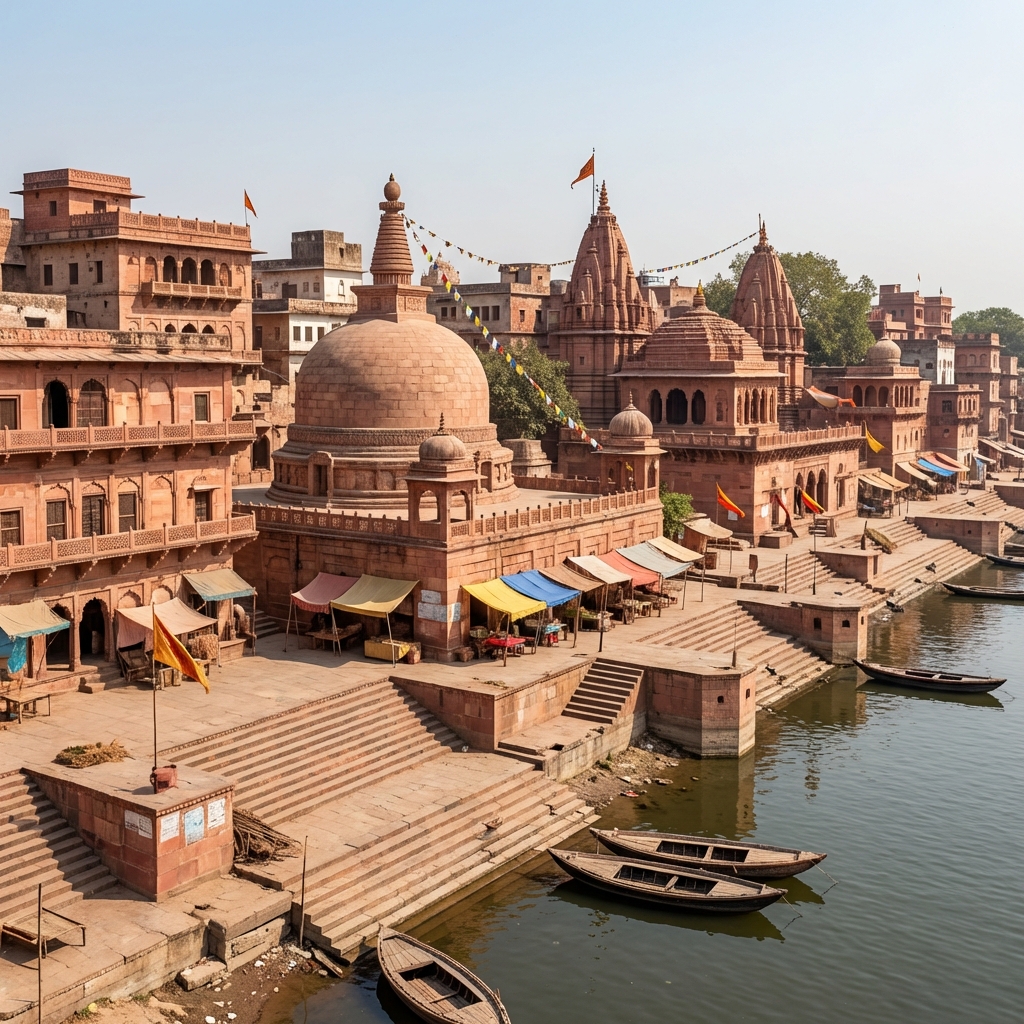
- Mathura Kushana Art:
- Amaravati Overview:
- Muziris Ancient Port:
Mauryan Administration, Trade Routes (200 BC–300 AD), Post-Mauryan Dynasties & Sangam Age
Zero-loss Cornell conversion from NOTES_FILE.md (Mauryan Admin table + lines 492–791; Gupta political content excluded).
1. Mauryan Administration
1. Mauryan Administration — Central, Local, Army, Revenue, Decline
| Cue Words | Notes |
|---|---|
| How was the Mauryan central government structured? | Highly Centralised; Mantri-Parishad; 18 Tirthas; 20 Adhyakshyas:
|
| List the key Mauryan Adhyakshyas and their portfolios. | Sura, Sita, Samastha, Sulka, Nava, Loha, Pautava, Akara, Panya, Suna, Kunya, Lakshana, Pattana, etc.:
|
| Describe Mauryan local administration and key local officers. | Gramika Autonomy; Pradeshika; Sthanika; Purmukhya; Antapala:
|
| How was the Mauryan army organised? | Senapati; 5 Divisions; Cash Salary:
|
| What were the Mauryan revenue, police, and court institutions? | Samharta; Sannidhata; Bandhangara; Dharmasthiya; Kantakashodhana:
|
| Explain the Mauryan espionage system and transport control. | Sansthana vs Sanchari; Gudhapurushas; Vishakanyas; Width Control:
|
| List the causes of Mauryan decline. | 12 Causes including Peace Policy, Partition, NW Neglect:
|
2. India Trade Routes (200 BC – 300 AD)
2. Ancient Trade Routes (200 BC – 300 AD) & Indo-Roman / Silk Route Commerce
| Cue Words | Notes |
|---|---|
| What is the chronological frame of the India Trade Routes map section? | 200 BC – 300 AD; Post-Mauryan Commercial Peak:
|
| Which ports and coastal emporia structured ancient Indian maritime trade? | Puhar, Muziris, Tondi, Korkai, Arikamedu, Tamralipti; Emporium:
|
| What goods were exported and imported, and what was Yavanapriya? | Pepper = Yavanapriya; Gold Drain; Horses & Wine:
|
| How did monsoon discovery and Roman coin finds shape Indo-Roman trade? | Hippalus 46–47 CE; Augustus–Nero Coins; Post-3rd Century Pivot:
|
| How did Satavahanas and Kushanas integrate into long-distance trade? | Ship Motifs; Silk Route Tolls; Gold from Altai & Rome:
|
3. Post-Mauryan Period — Overview Table
3. Post-Mauryan Period (185 B.C. – 275 A.D.) — Regional Dynasties Snapshot
| Cue Words | Notes |
|---|---|
| List Northern Post-Mauryan dynasties with time and founder. | Shunga, Kanva, Indo-Greeks, Indo-Scythians, Indo-Parthians:
|
| List North-Western, Deccan and Tamil dynasties of the Post-Mauryan age. | Kushana; Satavahana; Chola–Pandya–Chera (Sangam):
|
4. Shunga Dynasty
4. Shunga Dynasty (185 B.C. – 73 B.C.) — Ancestors of Ujjain
| Cue Words | Notes |
|---|---|
| What were Pushyamitra Shunga’s main policies and achievements (185–151 B.C.)? | Brahminism; Greeks & Kharavela; Sanchi Torana; Ashvamedha:
|
| What cultural patronage is linked to the early Shungas (149–141 B.C.)? | Patanjali’s Mahabhasya:
|
| Who was Agnimitra and how is he remembered in literature? | Son of Pushyamitra; Malavikagnimitram; Vidarbha Breakaway:
|
| Who were the later Shunga rulers and how did the dynasty end? | Vasumitra; Devabhuti killed by Vasudeva Kanva (c. 73 BC):
|
| What were the long-term effects of the Shunga period? | Hindu Revival; Mixed Castes; Sanskrit; Human Figures in Art:
|
5. Kanva Dynasty
5. Kanva Dynasty (73 B.C. – 27 B.C.)
| Cue Words | Notes |
|---|---|
| List Kanva rulers and their tenures / fate. | Vasudeva → Bhumimitra → Narayana → Susarman:
|
6. Satavahana Dynasty
6. Satavahanas (235 B.C. – 225 A.D.) — Polity, Rulers, Economy, Society
| Cue Words | Notes |
|---|---|
| What is the origin, geography, capital and chronological frame of the Satavahanas? | Seven/Sun; Pratishthana & Amaravati; Andhras; Pulamavi IV:
|
| What did Simuka and Satakarni I achieve? | Founder; Dakshinapathapati; Naneghat Land Grants; Ashvamedha:
|
| What cultural works are linked to Hala? | Kavivatsala; Gatha Saptashati; Brihatkatha:
|
| Detail Gautamiputra Satakarni’s conquests, titles and inscriptions. | Ekabrahmana; Nahapana Destroyed; Nasik of Gautami Balashri:
|
| What do we know of Vashishthiputra Pulumayi and Yajna Sri Satakarni? | 1st Andhra Emperor; Rudradaman’s Daughter; Ship Coins:
|
| Outline Satavahana administration and feudatory structure. | Dharmashastras; Ahara; Gaulmika; 3 Grades of Feudatories:
|
| Describe Satavahana economy, coins, language, material culture, religion and society. | No Gold Coins; Portrait Coins First among Natives; Prakrit:
|
7. Sangam Age — Literature
7. Sangam Age (300 B.C. – 300 A.D.) — Academies, Classification & Literature
| Cue Words | Notes |
|---|---|
| What was the Sangam Age and who patronised the academies? | Muchchangam; Pandya of Madurai; Agastya:
|
| Describe the three Sangams — venue and surviving works. | Madurai; Kapadapuram; Tolkappiyam Only from 2nd:
|
| How is Sangam literature classified by period and by context? | Patinenmelkanakku / Patinenkilkanakku; Aham / Puram:
|
| Summarise major Sangam literary works (Tolkappiyam, Ettuthokai, Pattuppattu, Thirukkural). | 8 Anthologies; 10 Idylls; Laghuveda of Tamil:
|
| What are the major Tamil epics of the Sangam / Post-Sangam tradition? | Silappadikaram; Manimekalai; Other Epics:
|
8. Sangam Dynasties — Cholas, Cheras, Pandyas
8. Political History of Sangam Dynasties — Chola, Chera, Pandya
| Cue Words | Notes |
|---|---|
| Detail the early Cholas — core area, capital, emblem, Karikalan. | Cholamandalam; Uraiyur → Puhar; Tiger; Battle of Venni:
|
| Detail the Cheras — area, capital, ports, Senguttuvan. | Vanji; Muziris & Tondi; Bow and Arrow; Red/Good Chera:
|
| Detail the Pandyas — area, port, society, religion, decline. | Madurai; Fish; Korkai Pearls; Kalabhras:
|
9. Sangam Cities
9. Sangam Cities — Chera, Pandya & Chola Urban Centres
| Cue Words | Notes |
|---|---|
| Describe Chera cities Vanji/Karur and Muchiri/Muziris. | Amaravati River Mint; Periplus; Vienna Papyrus:
|
| Describe Pandya cities Madurai and Korkai. | Maduraikkanji; Pearl Fisheries; 8th Century BCE Settlement:
|
| Describe Chola cities Uraiyur, Puhar, Kanchi and Kodumanal. | Dying Vat; Pattinappalai; Buddhist Shrine; Gem Centre:
|
10. Sangam Administration, Economy, Society & Religion
10. Sangam Administration
| Cue Words | Notes |
|---|---|
| What was the form of Sangam government and the king’s five councils? | Hereditary Monarchy; Amaichar–Anthanar–Thuthar–Senapathi–Orrar:
|
11. Sangam Economy — Tinai, Ports, Indo-Roman Trade
| Cue Words | Notes |
|---|---|
| Explain Tolkappiyam’s five-fold land division and chief occupations. | Kurinji–Mullai–Marudam–Neydal–Palai; Rice Staple:
|
| List Sangam ports, exports, imports and Roman trade evidence. | Puhar–Muziris–Korkai–Arikamedu; Yavanapriya; Hippalus:
|
12. Sangam Society
| Cue Words | Notes |
|---|---|
| Describe Sangam social stratification, women, Sati and related customs. | Arasar–Anthanar–Vanigar–Vellalar; Tippayadal; Vattekirutal:
|
13. Sangam Religion
| Cue Words | Notes |
|---|---|
| What deities, hero-stone and burial practices characterised Sangam religion? | Murugan; Mayon–Vendan–Varunan–Korravai; Nadu Kal; Enadi:
|
11. Chedi / Mahameghavahana Dynasty
14. Chedi Dynasty / Mahameghavahana / Chetavamsa (Kalinga — 1st CBC)
| Cue Words | Notes |
|---|---|
| What does the Hathigumpha inscription tell us about Kharavela? | 3rd Chedi King; Jainism; First Maharaja Title:
|
12. Foreign Dynasties — Persian & Greek Invasions
15. Persian (Achaemenid) Invasion of North-West India
| Cue Words | Notes |
|---|---|
| Trace the Achaemenid invasion sequence and its impacts on India. | Cyrus–Darius–Xerxes; Kharoshti; Satrapies; Hind:
|
16. Greek Invasion — Alexander (356 BCE – 323 BCE)
| Cue Words | Notes |
|---|---|
| Narrate Alexander’s Indian campaign from Arbela to Beas and death. | Hydaspes; Ambhi & Porus; Seleucus; Eudamas; Massaga:
|
| List the impacts of Alexander’s invasion on India. | Unification; Gandhara Art; Strategos; Yavanika; Horashastra:
|
13. Indo-Greeks
17. Indo-Greek Kingdom (c. 2 CBC – 1 CAD)
| Cue Words | Notes |
|---|---|
| How did Indo-Greek rule begin from Seleucus to Demetrius and Apollodotus? | Bactria; Euthydemus vs Eucratides; First Proper Indo-Greek:
|
14. Indo-Scythians / Sakas / Western Kshatrapas
18. Indo-Scythians (Sakas) — Maues, Branches, Vikramaditya
| Cue Words | Notes |
|---|---|
| Outline Saka presence, five branches, and Vikram-Samvat origin. | Maues/Moga; 5 Branches; Vikramaditya 57 B.C.:
|
19. Chashtana, Rudradaman I & Western Kshatrapas
| Cue Words | Notes |
|---|---|
| What is Chashtana’s importance for the Saka Era? | 78 AD; Tiasthenes; Ujjain:
|
| Detail Rudradaman I — empire, Junagarh inscription, Satavahana relations. | Mahakshatrapa; Sudarshana Lake; Dual Rulership; Kavya Prose:
|
15. Indo-Parthians
20. Indo-Parthians (Shaka-Pahlava)
| Cue Words | Notes |
|---|---|
| Who were the Indo-Parthians and what is Gondophernes known for? | Gondophernes; St. Thomas; Takht-i-Bahi 45 CE:
|
16. Kushana Empire
21. Kushana Empire (15 AD – 232 AD) — Origin & Expansion
| Cue Words | Notes |
|---|---|
| Who were the Kushanas and how did they build their empire? | Yueh-Chi / Tocharians; Oxus to Ganga; Bactria → Gandhara:
|
22. Kujula Kadphises I & Vima Kadphises II
| Cue Words | Notes |
|---|---|
| What did Kujula Kadphises I achieve (15 CE – 64 CE)? | Unified 5 Clans; Dharmathida; Copper Aurei Imitations:
|
| What did Vima Kadphises II achieve (64 CE – 78 CE)? | Mahishvara; First Large-Scale Gold Coins:
|
23. Kanishka (78 CE – 105 CE) — ‘Second Ashoka’
| Cue Words | Notes |
|---|---|
| Map Kanishka’s empire, capitals, titles and Chinese campaign. | Devaputra; Purushapura & Mathura; Rabatak; Pan Chao:
|
| Whom did Kanishka patronise — Council, scholars, art, coins? | 4th Buddhist Council; Vasumitra; Ashvaghosha; Charaka; Nagarjuna:
|
24. Vasudeva (Last Kushana Emperor) & Kushana Material Culture
| Cue Words | Notes |
|---|---|
| What marks Vasudeva as the last Kushana emperor (189/195 CE – 225 CE)? | Shaono Shao Vasudevo Koshano; Ardashir I; Nandipada:
|
| Summarise Kushana pottery, architecture, irrigation and military equipment. | Burnt Bricks; Riding Horses; Long Coats & Boots:
|
| How did Kushana rule reshape Indian society, trade, polity and science? | Vratya Kshatriya; Child Marriage; Silk Route Tolls; Strategos; Glass:
|
I'll check how existing Cornell Notes sections are structured in this project so the conversion matches the house style.Converting every detail from the source into zero-loss VitePress Cornell Notes markdown:
Cities of the Far South
Cities of the Far South — Overview & Greco-Roman Context
| Cue Words | Notes |
|---|---|
| How do Greco-Roman sources and modern scholarship frame early historical South Indian urban centres? | Sources & Framework:
|
Chera Cities — Vanji / Kuravur / Karur
| Cue Words | Notes |
|---|---|
| Analyse Vanji/Kuravur/Karur as a Chera political, craft, and trade centre with literary, numismatic, and excavation evidence. | Identity & Location:
Numismatics & Roman Contact:
Excavations:
Crafts & Inscriptions:
|
Chera Cities — Muchiri / Muziris
| Cue Words | Notes |
|---|---|
| What do the Periplus, Pliny, and the Vienna Papyrus record about Muchiri/Muziris as a Chera trade emporium? | Classical & Documentary Sources:
|
Pandya Cities — Madurai
| Cue Words | Notes |
|---|---|
| Describe Madurai as a Pandya urban centre from Maduraikkanchi, Arthashastra, craft references, and Alagarmalai inscriptions. | Literary Description (Maduraikkanchi / Pattuppattu):
Crafts & Trade:
Epigraphy:
|
Pandya Cities — Korkai
| Cue Words | Notes |
|---|---|
| Why was Korkai celebrated as a pearl-fisheries centre, and what do excavation and location evidence show? | Reputation & Sources:
Location Then vs Now:
Material Culture & Chronology:
|
Chola Cities — Uraiyur
| Cue Words | Notes |
|---|---|
| Analyse Uraiyur as early Chola capital: fortifications, textiles, megalithic burial grounds, and three excavation periods. | Political & Literary Profile:
Excavation Phases:
|
Chola Cities — Kaverippumpattinam / Pumpuhar / Puhar
| Cue Words | Notes |
|---|---|
| Detail Puhar (Kaverippumpattinam) as port capital: classical names, Pattinappalai markets, irrigation, boat platforms, Buddhist remains, and later Chola coin evidence. | Names, Span & Classical Identity:
Urban Layout & Society:
Infrastructure & Archaeology:
Later Continuity:
|
Chola Cities — Kachchi (Kanchi) & Vasavasamudram
| Cue Words | Notes |
|---|---|
| What early historical remains link Kanchi of the Sangam texts to later Pallava Kanchipuram, and how does Vasavasamudram fit as its sea port? | Kachchi (Kanchi):
Findings (Shankara Matha Area):
Findings near Kamakshi Temple:
Vasavasamudram (Port Link):
|
Chola Cities — Kodumanal
| Cue Words | Notes |
|---|---|
| Why is Kodumanal critical for early literacy and craft production in the Tamil region (3rd CBC–3rd CAD)? | Site Profile:
Industrial Evidence:
Literacy Evidence:
|
Kautilya’s Timetable for a King
Kautilya’s Timetable for a King (Arthashastra 1.19.16)
| Cue Words | Notes |
|---|---|
| How does Arthashastra 1.19.16 structure the king’s day and night, and what activities fill each unit? | Time Division:
Day Timetable (Immediately After Sunrise):
Night Timetable:
|
Raja Sawai Jai Singh II (1686–1743)
Raja Sawai Jai Singh II — Title, Politics & Jaipur City Planning
| Cue Words | Notes |
|---|---|
| How did Sawai Jai Singh II obtain the title ‘Sawai’, abolish Jaziya influence, and plan Jaipur on a grid of nine cosmic zones? | Title ‘Sawai’:
Political Role:
Jaipur Grid Planning:
|
Raja Sawai Jai Singh II — Jantar Mantar Observatories & Zij-e-Muhammad-Shahi
| Cue Words | Notes |
|---|---|
| What was Jai Singh’s astronomical programme: observatories, Zij-e-Muhammad-Shahi, and his eclectic manuscript library? | Observatories (Jantar Mantar Tradition):
Zij-e-Muhammad-Shahi:
Grand Passion — Scholarship & Instruments:
|
Rana Kumbha (1433–1468 CE)
Rana Kumbha — Forts, Wars & Vijay Stambha
| Cue Words | Notes |
|---|---|
| List Rana Kumbha’s five forts, his foes, and the context and dimensions of the Vijay Stambha at Chittorgarh. | Five Forts:
Military Context:
Vijay Stambha (Victory Tower):
|
Rana Kumbha — Music, Literature & Kirti Stambh Prashashti
| Cue Words | Notes |
|---|---|
| What music treatises and literary works are associated with Rana Kumbha’s reign? | Personal Scholarship:
Music Treatises:
Court Scholars:
|
Rani ki Vav
Rani ki Vav (Also on ₹100 Note)
| Cue Words | Notes |
|---|---|
| Who built Rani ki Vav, for whom, in what style, and what is its architectural character? | Patronage & Setting:
Style & Structure:
|
Rakhigarhi
Rakhigarhi — Harappan Township & Excavation Findings
| Cue Words | Notes |
|---|---|
| What is Rakhigarhi’s rank among Harappan townships, who excavated it, and what materials and structures were found? | Status:
Excavator:
Material and Findings:
|
Different Versions of the Ramayana
International & Regional Versions of the Ramayana
| Cue Words | Notes |
|---|---|
| Map major Indian and international Ramayana versions with country and distinctive points. | Indian / Regional Versions:
Southeast / East Asian Versions:
|
Vijaya Temple / Bijamandal Mosque (Vidisha)
Vijaya Temple / Bijamandal Mosque — Builders, Dedication & Later History
| Cue Words | Notes |
|---|---|
| Clarify the contested builders, dedication, Al-Biruni/Aurangzeb layers, and famous sculptures of the Vijaya Temple (Bijamandal) at Vidisha. | Modern Association:
Builders (No Clarity):
Dedication & Local Tradition:
Destruction & Rebuilding:
Aurangzeb Phase:
Famous Sculpture:
Pavilion, Surya Temple & Stepwell:
|