Indian Painting: Murals, Miniatures & Folk Art Traditions
Historical Overview of Indian Painting
Historical Overview of Indian Painting
| Cue Words | Notes |
|---|---|
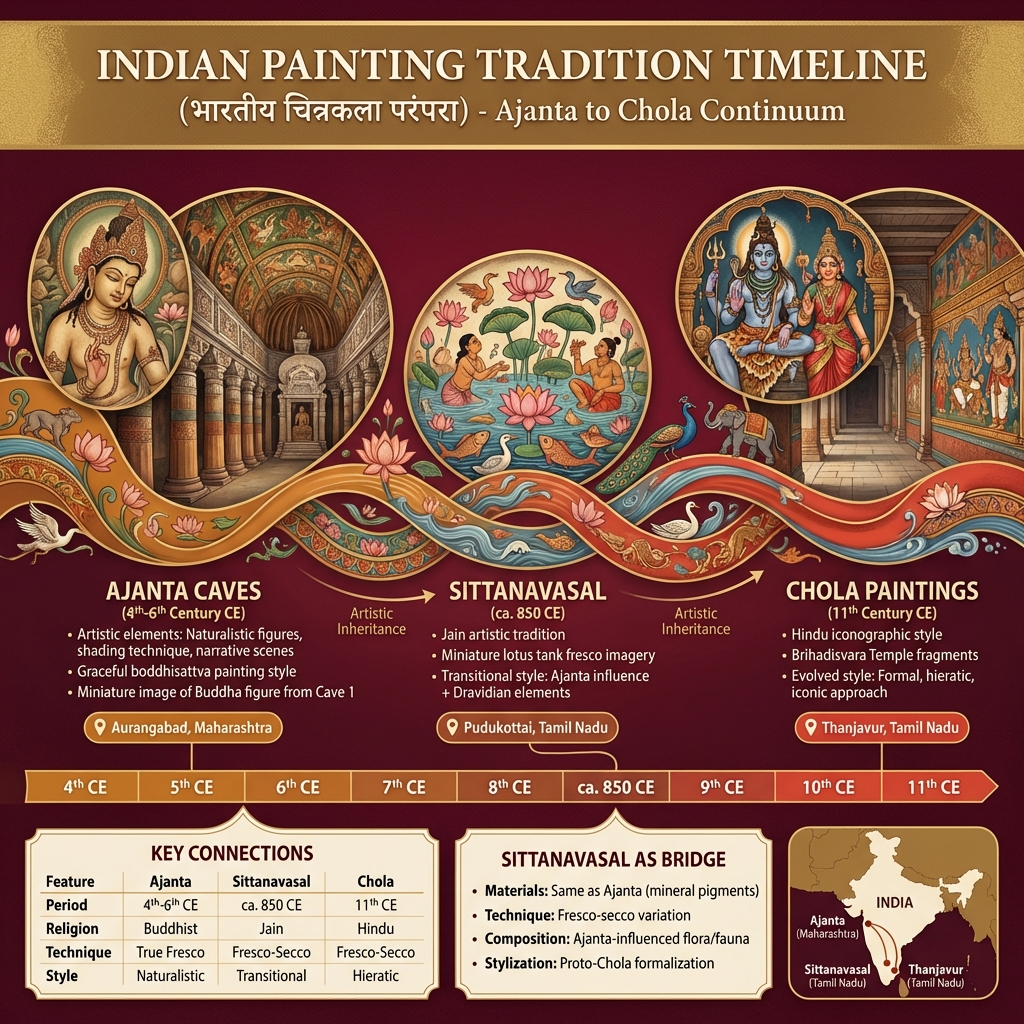
| Timeline of Painting Traditions | - Prehistoric: petroglyphs & rock shelter paintings (Bhimbetka) depicting wild animals, hunting, community dances - Murals (Ancient & Medieval): large-scale paintings on plaster-coated cave/temple walls (Ajanta, Ellora, Sittanavasal, Lepakshi) - Miniatures (Medieval & Early Modern): detailed paintings on palm leaves, paper, cloth for royal manuscripts & albums (Pala, Mughal, Rajasthani, Pahari) - Folk Traditions (Traditional): tribal/local art forms using natural pigments on walls/cloth (Madhubani, Pattachitra, Kalamkari, Warli) - Modern Art: Western oil techniques + Swadeshi/nationalist themes (Raja Ravi Varma, Bengal School) |
Ancient and Medieval Murals
Ancient and Medieval Murals
| Cue Words | Notes |
|---|---|
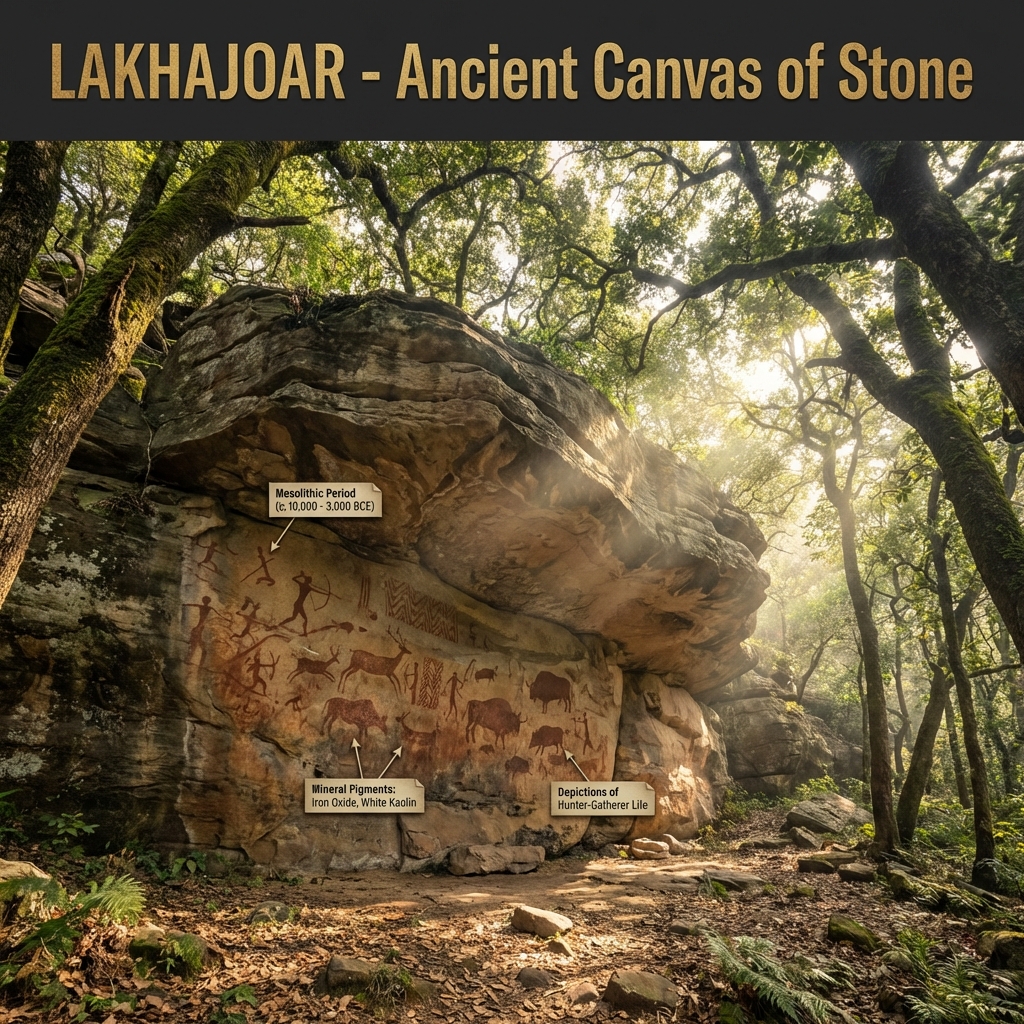
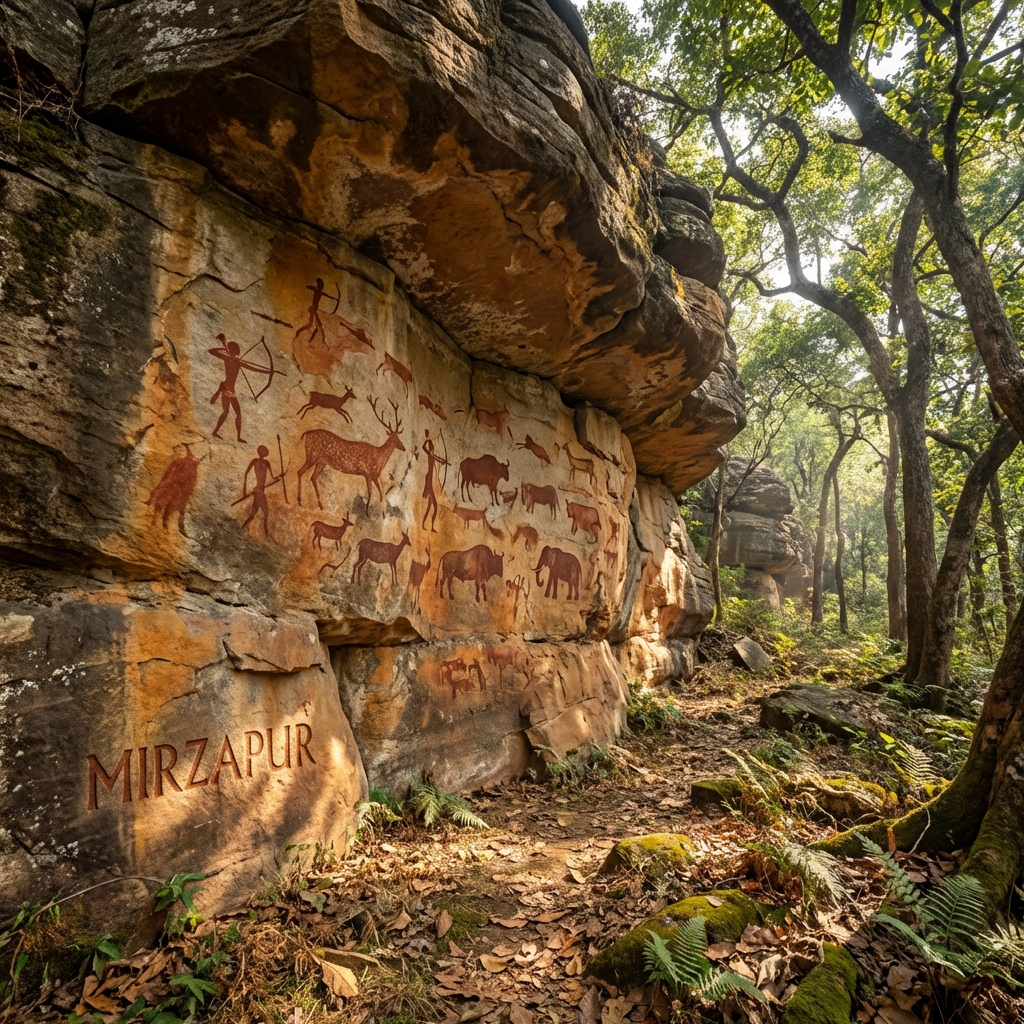
| Prehistoric Rock Shelters | - Bhimbetka (MP): linear animals (bison, boars, tigers), hunting/dancing; red & white pigments - Lakhajoar (MP): prehistoric paintings of animals & abstract signs - Mirzapur (UP): cave paintings depicting hunting scenes & wildlife |
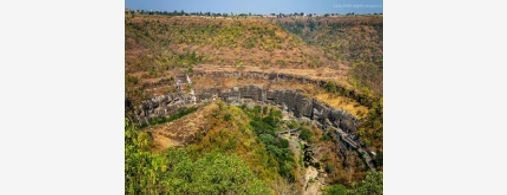
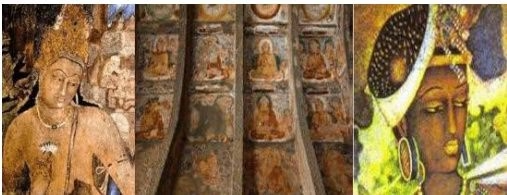
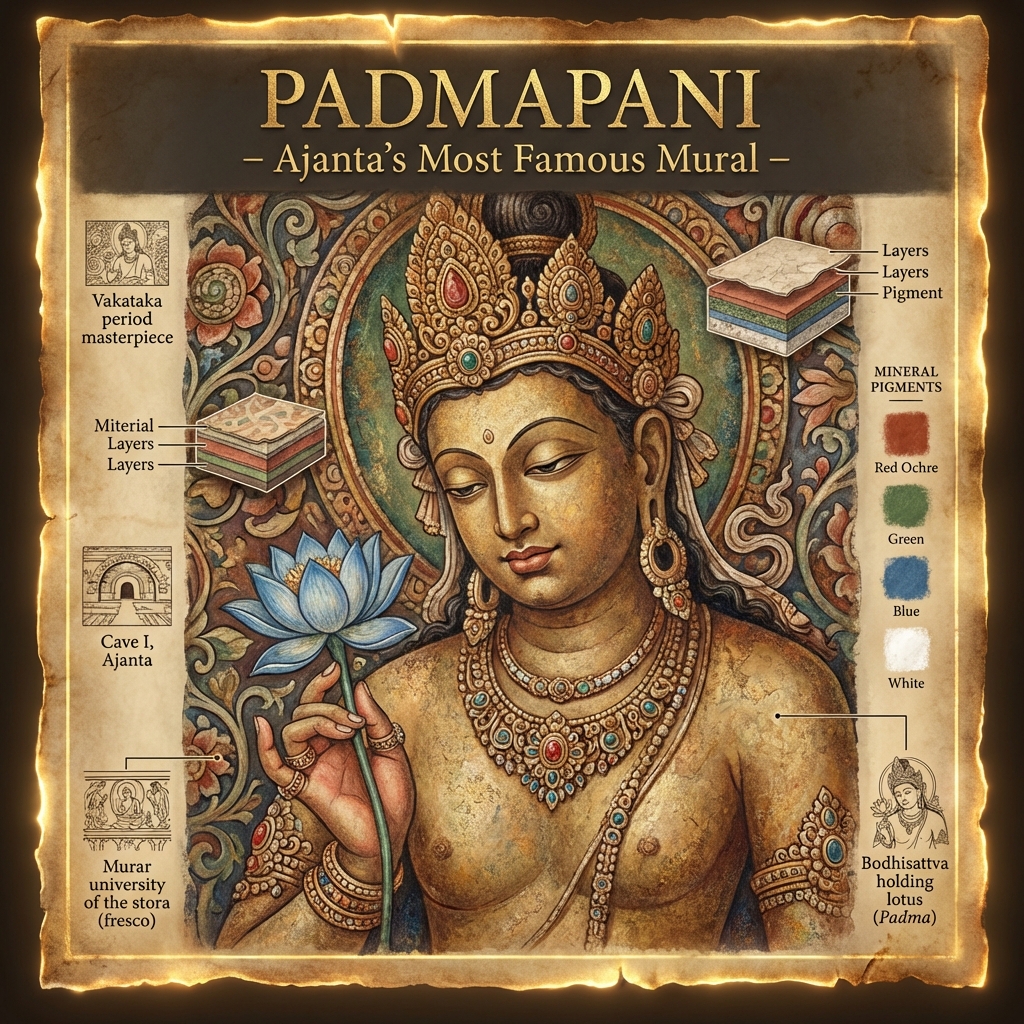
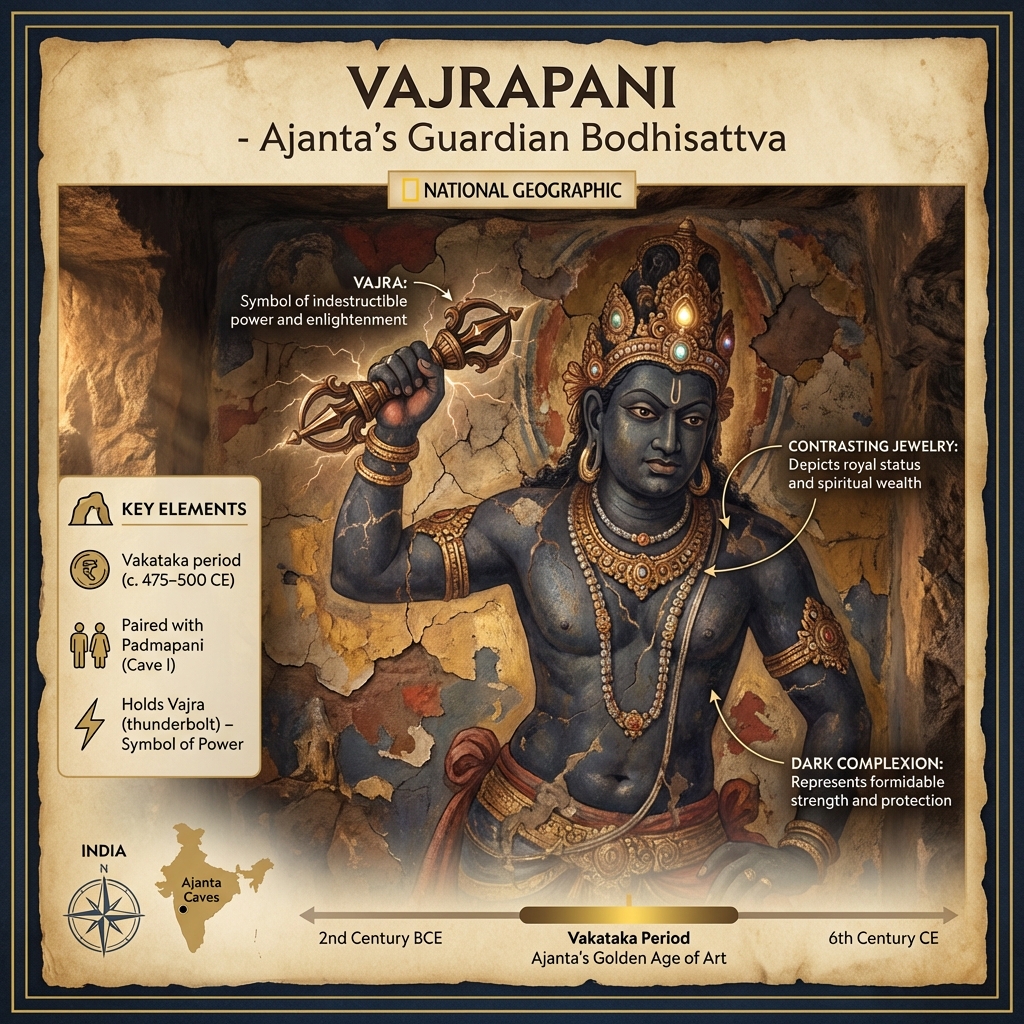
| Ajanta Cave Murals (2nd BCE – 5th CE) | - Patronage & Theme: Vakataka & Gupta patronage; exclusively Buddhist (Jatikas & Buddha's life) - Technique: **Fresco-Secco** (dry plaster: clay + cow dung + rice husks + lime coat + pigments) - Key Artworks: - *Bodhisattva Padmapani:* (Cave 1) holding blue lotus (compassion) - *Bodhisattva Vajrapani:* (Cave 1) holding thunderbolt (power) - *Dying Princess:* poignant emotional expression |
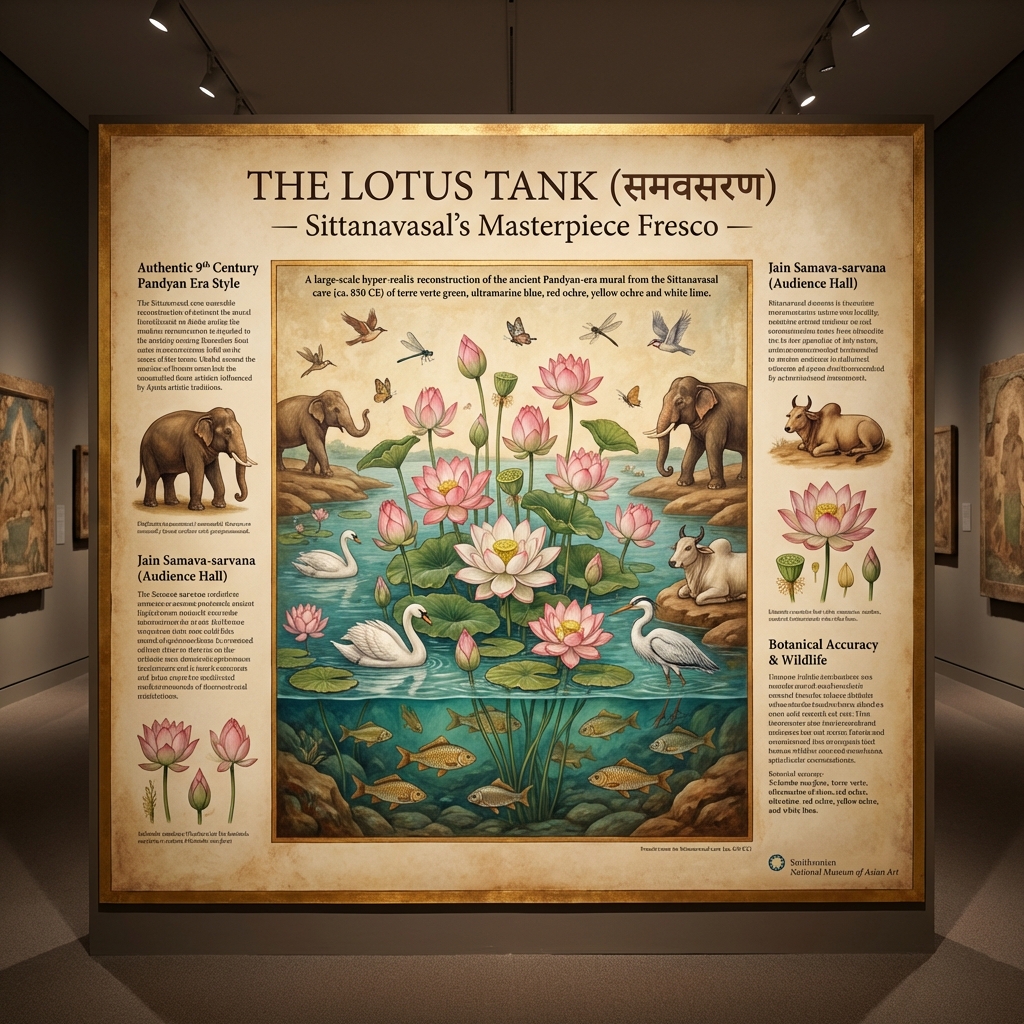
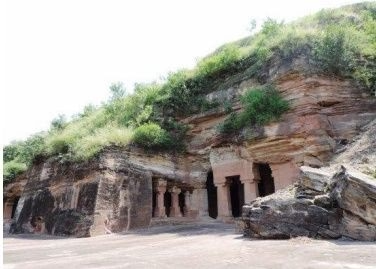
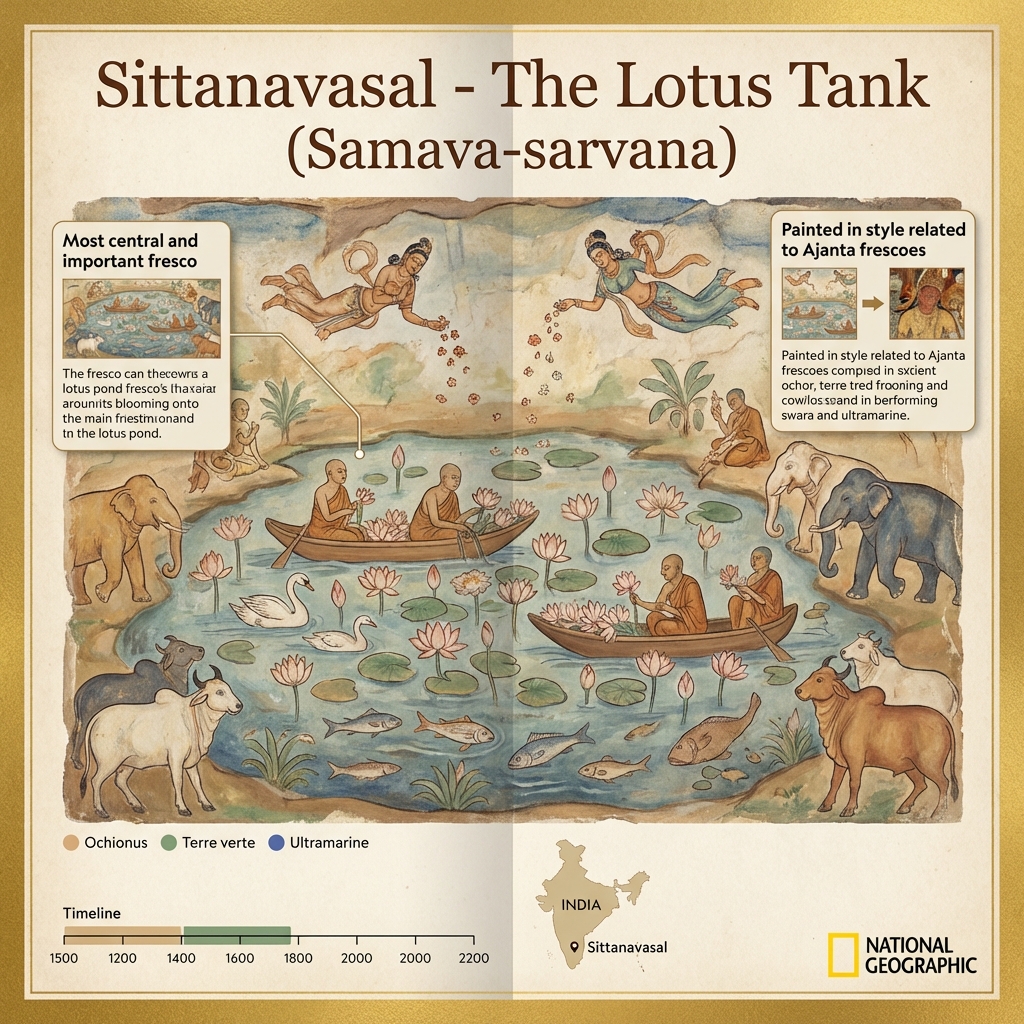
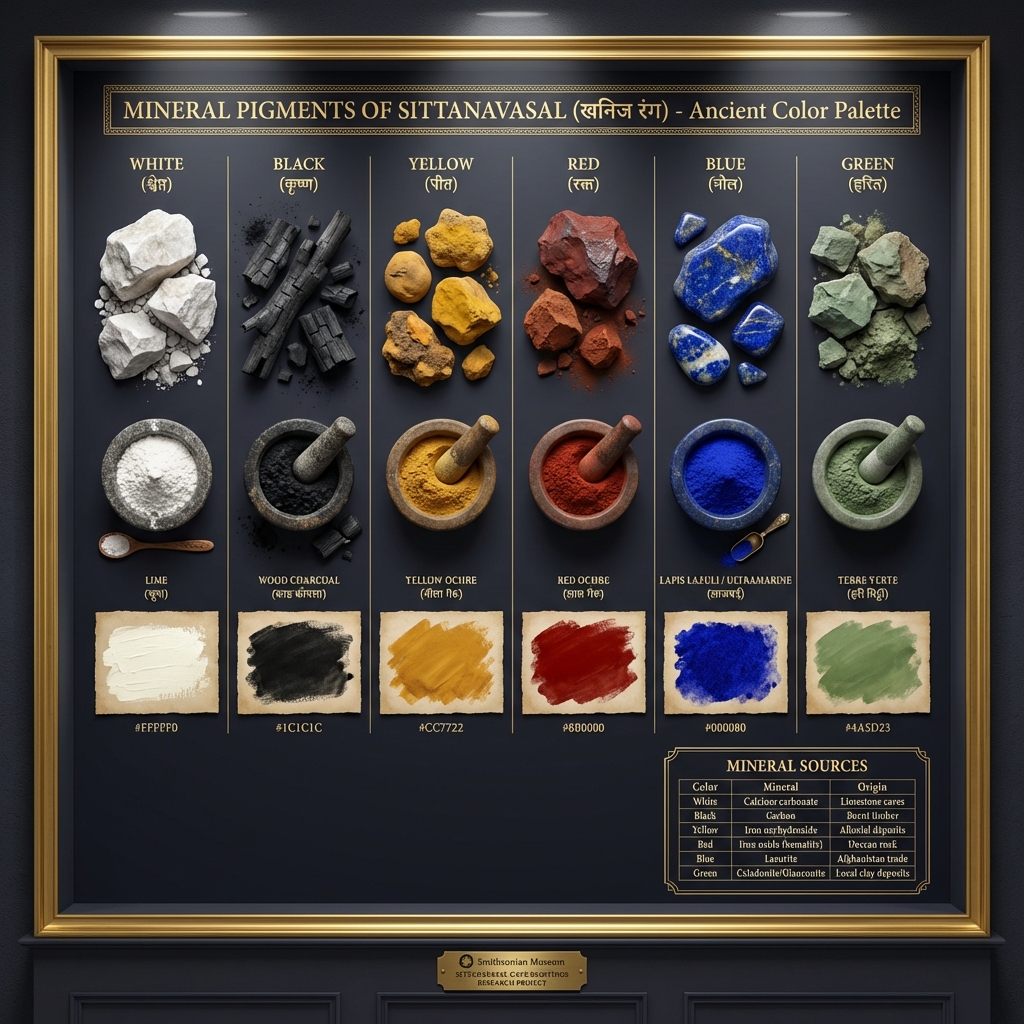
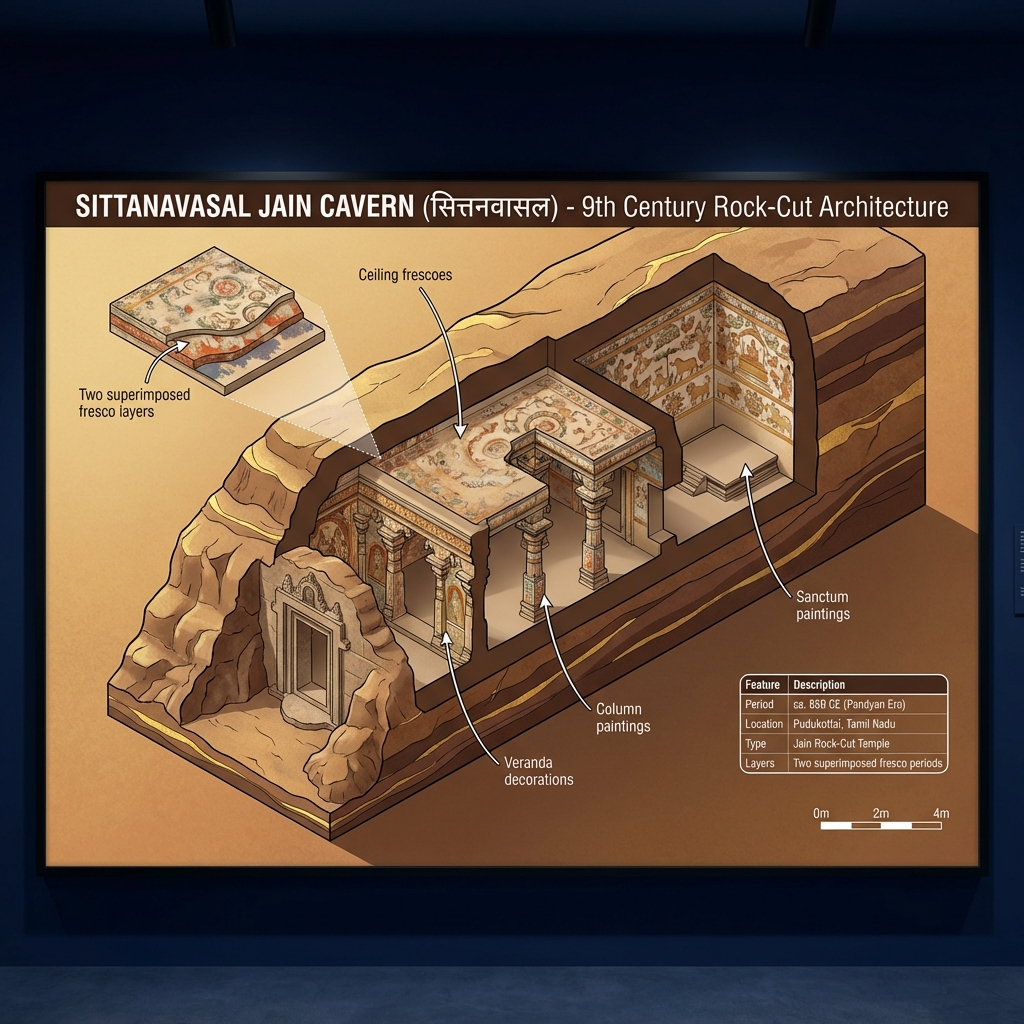
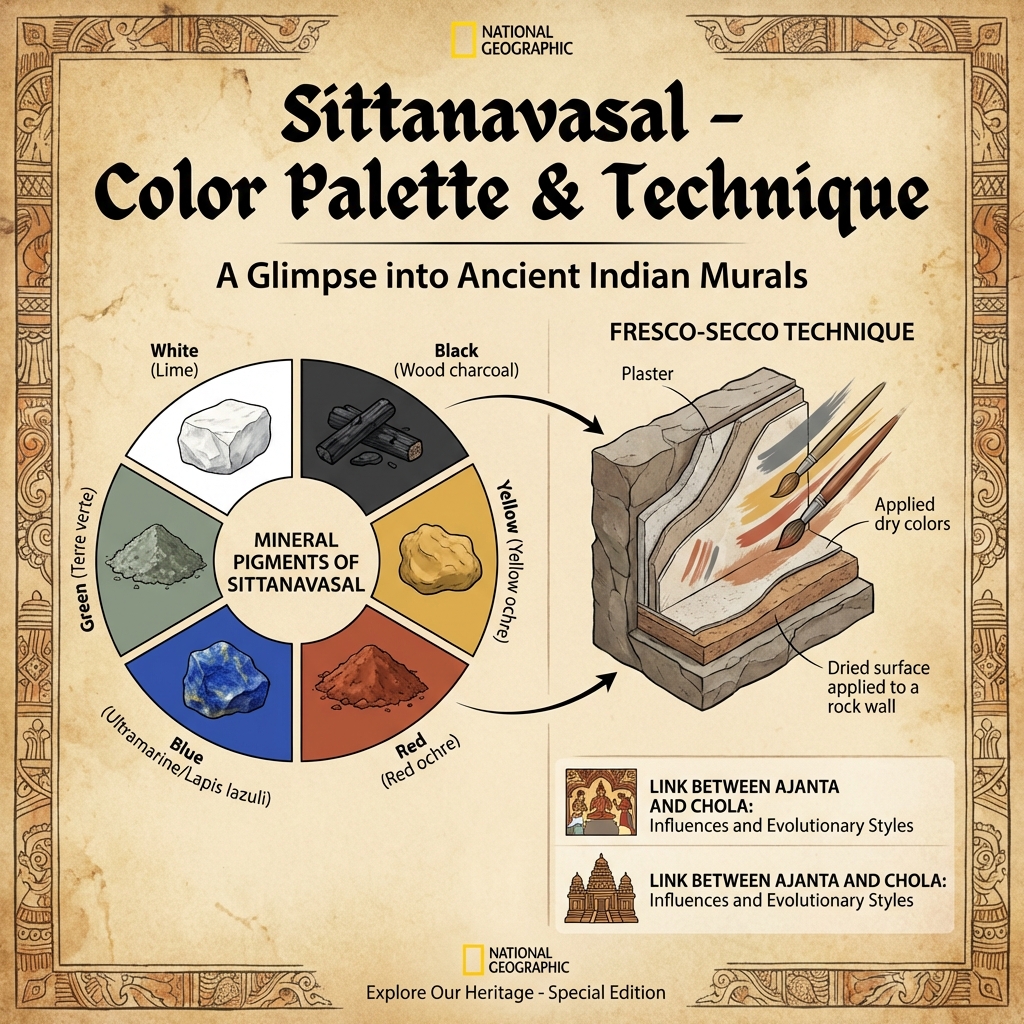
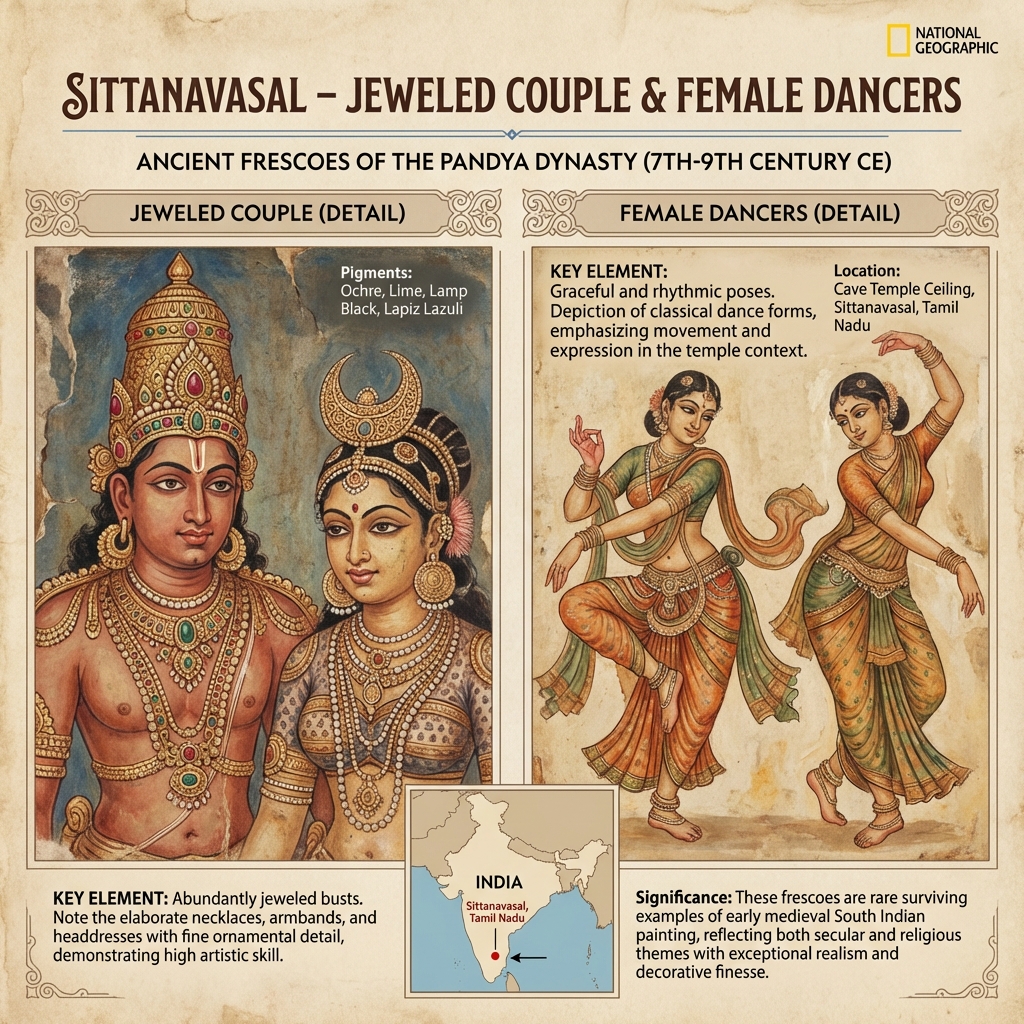
| Other Ancient & Early Medieval Caves | - Ellora (MH): multi-religious (Buddhist, Hindu, Jain); dynamic poses, sharp outlines, Shiva & Tirthankaras - Bagh Caves (MP): contemporary with Ajanta; secular themes (dancers, musicians), robust figures - Sittanavasal (TN): Jain cave temple (Pandya period); **"Lotus Tank"** mural (fish, elephants, monks gathering flowers), mineral pigments |
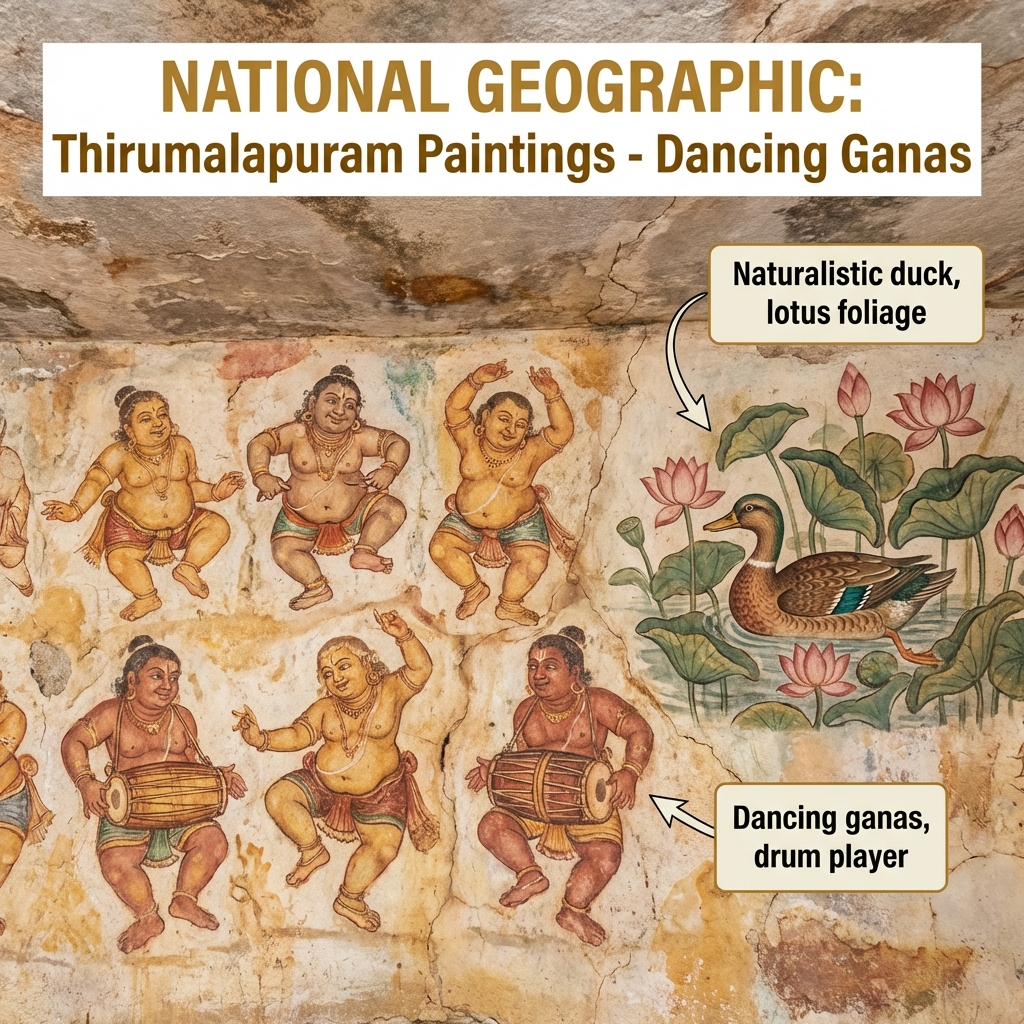
| Late Medieval Murals | - Lepakshi (AP): Vijayanagara style; black outlines, 3/4 profiles, **complete absence of blue pigment** - Thirumalapuram (TN): Pandya period cave paintings (Shiva & Vishnu themes) |
Miniature Painting Traditions
Miniature Painting Traditions
| Cue Words | Notes |
|---|---|
| Early Miniature Schools (Pala - 8th to 12th CE) | - Media: palm leaves & vellum manuscripts - Theme: exclusively Buddhist (Vajrayana/Mahayana); sinuous lines, subdued colors, Bodhisattvas |
| Mughal School (Imperial Court Art) | - Genesis & Akbar: Persian-Indian synthesis; royal studio (*Tasvir Khana*); *Hamzanama* (cloth) & *Tutinama* (action/battles) - Jahangir (Golden Age): individual portraits & nature studies; **Ustad Mansur** (rare animals/birds: Siberian Crane, Dodo); European perspective & halo - Shah Jahan: royal luxury, gold pigments, formal layouts, border decoration (*Hashiya*) |
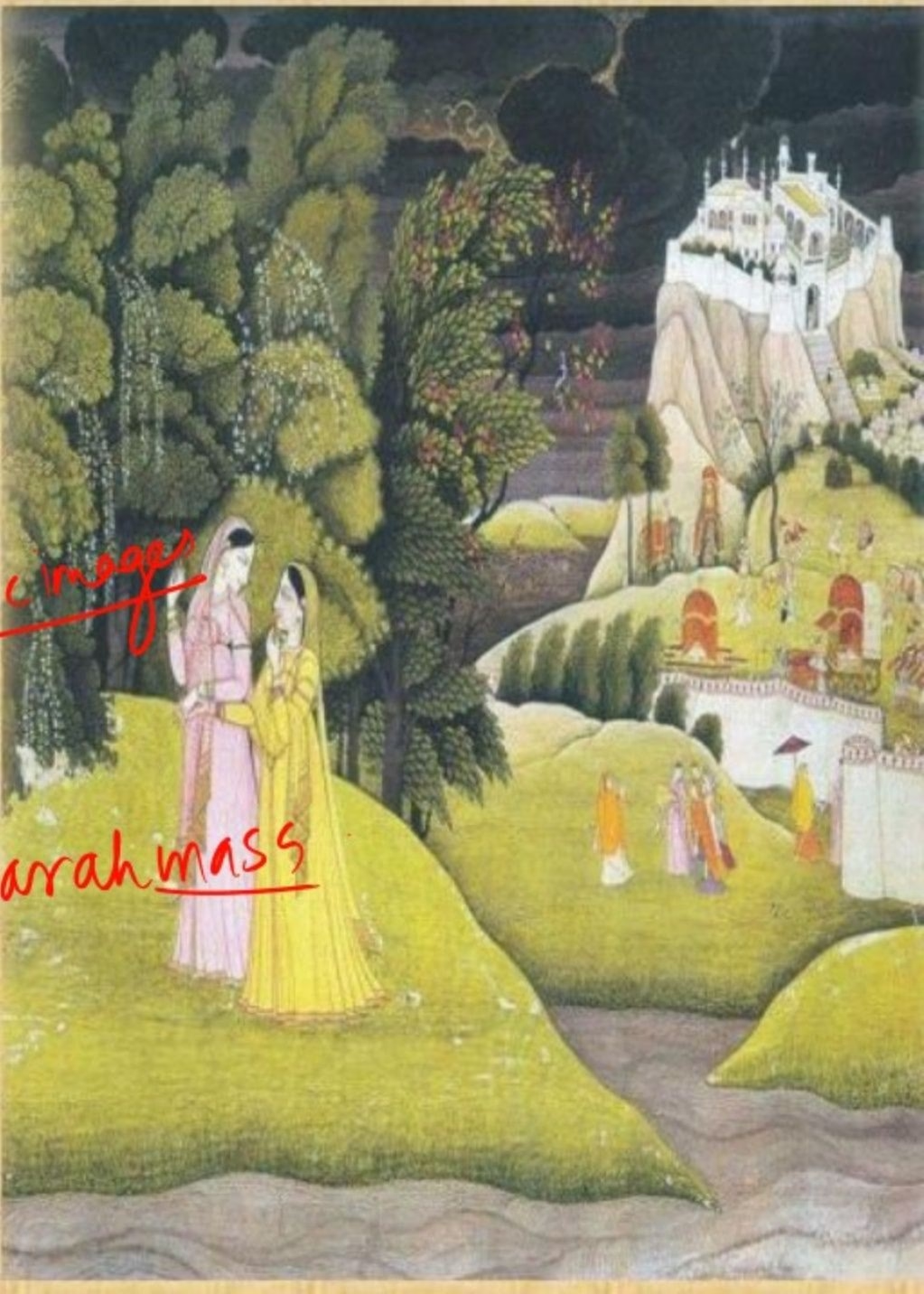
| Rajasthani & Pahari Schools | - Kishangarh (Rajasthan): **Bani Thani** ("Indian Mona Lisa") by Nihal Chand; elongated features, arched eyebrows, pointed chin - Kangra (HP): delicate/lyrical Pahari school under Sansar Chand; Radha-Krishna romance, soft colors, realistic foliage - Basohli (Jammu): oldest Pahari school; bold primary colors, geometric patterns, beetle-wing cases for jewelry |
Folk and Modern Painting Traditions
Folk and Modern Painting Traditions
| Cue Words | Notes |
|---|---|
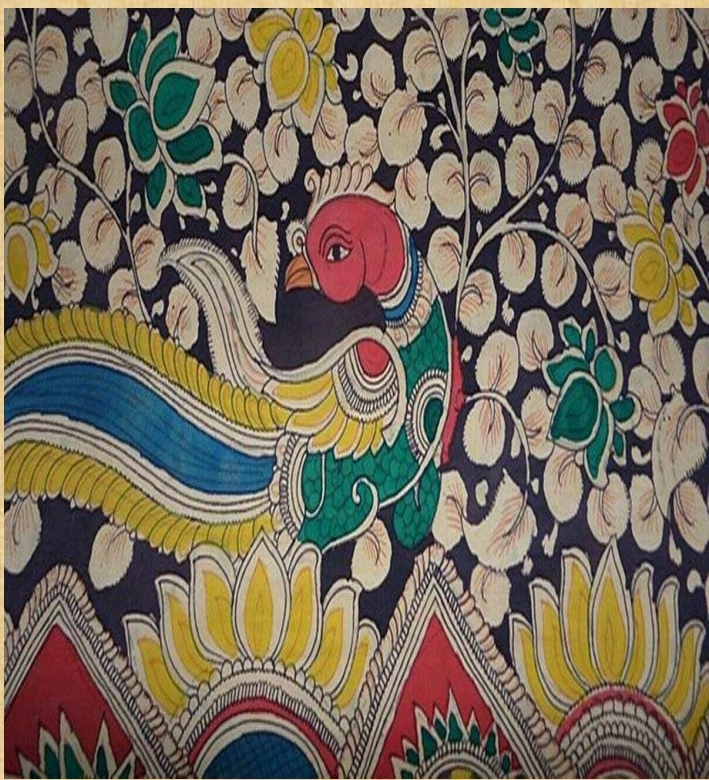
| GI-Tagged & Traditional Folk Art | - Madhubani / Mithila (Bihar): women artists, mud walls → paper/canvas; geometric patterns, natural dyes (turmeric/indigo), double-line borders - Pattachitra (Odisha): treated cloth (*patta*), natural pigments; Lord Jagannath & Vaishnavite themes - Kalamkari (AP): - *Srikalahasti:* pen-drawn epic scenes with vegetable dyes - *Machilipatnam:* hand-carved wooden block printing (floral/geometric) - Warli Art (MH): tribal wall painting with simple geometric shapes (triangles/circles); white rice-paste pigment on red-ochre |
| Modern Painting Movements | - Raja Ravi Varma: Indian mythology + Western academic realism/oil techniques; lithographic press for mass access - Bengal School: **Abanindranath Tagore** (*Bharat Mata*) & Havell; rejected Western oil realism for pan-Asian wash technique ("Swadeshi" aesthetic) - Nandalal Bose: pupil of Abanindranath; decorated original handwritten **Constitution of India** |
UPSC Recall & Traps
UPSC Recall & Traps
| Cue Words | Notes |
|---|---|
| The Shadanga of Painting (6 Limbs) | - *Rupabheda:* knowledge of appearances and forms - *Pramanam:* correct perception, measure, and structure - *Bhava:* emotion / action of feelings on forms - *Lavanya Yojanam:* grace & artistic representation - *Sadrishyam:* similitude or likeness to reality - *Varnikabhanga:* artistic usage of brush and colors |
| Common Pitfalls & Key Facts | - Padmapani: Ajanta Cave 1 (frequent MCQ option trap) - Bani Thani: Kishangarh School, Nihal Chand (patron: Sawant Singh) - Kalamkari: Srikalahasti = pen-drawn; Machilipatnam = block-printed - Lepakshi: complete absence of blue pigment |
🖌️ Company School & Kalighat Patachitra
- Company School (Company Painting, late 18th–19th century): Hybrid style produced by Indian artists (many trained in Mughal/Rajput ateliers) for British East India Company patrons — Indian subject matter (flora, fauna, festivals, castes/occupations) rendered in European watercolour technique and perspective; major centres at Murshidabad, Patna, Delhi, Tanjore, and Trichinopoly.
- Kalighat Patachitra (19th century, Kolkata): Emerged around the Kalighat Kali temple; shifted from mythological themes to bold, quick brush-stroke satirical scenes of contemporary urban Bengali life (the "Babu" culture) — a precursor to modern Indian graphic satire, on paper rather than cloth (distinguishing it from Odisha's cloth-based Pattachitra).
- Tanjore Painting (Thanjavur, Tamil Nadu): Distinguished by dense composition, vivid colours, and gold foil relief work (gesso) with inset glass beads/gems; almost exclusively devotional (Krishna, Balakrishna) themes; GI-tagged.
🖼️ Supplemental Asset Directory
Supplemental Asset Directory
- Timeline of Painting Traditions:
- Lakhajoar Cave Paintings:
- Mirzapur Cave Paintings:
- Ajanta Fresco Technique:
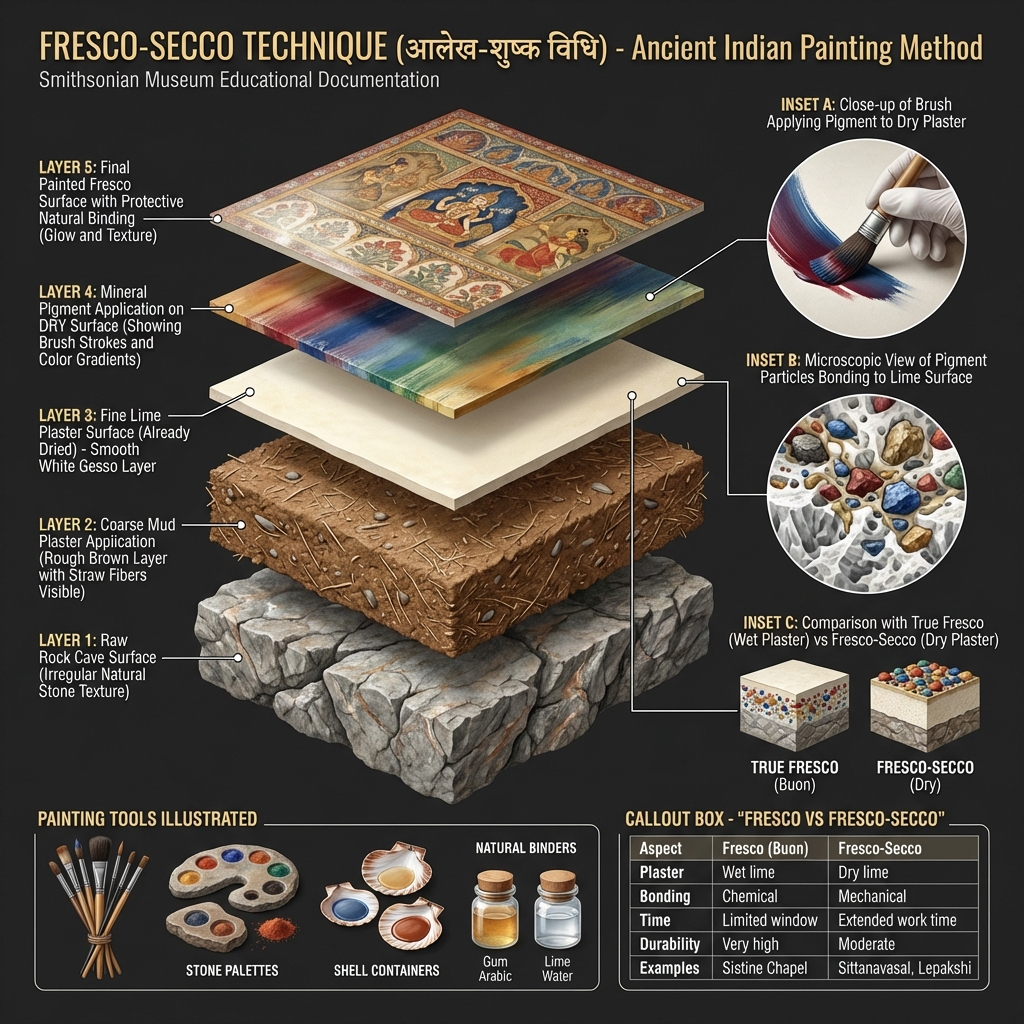
- Fresco Secco Technique Analysis:
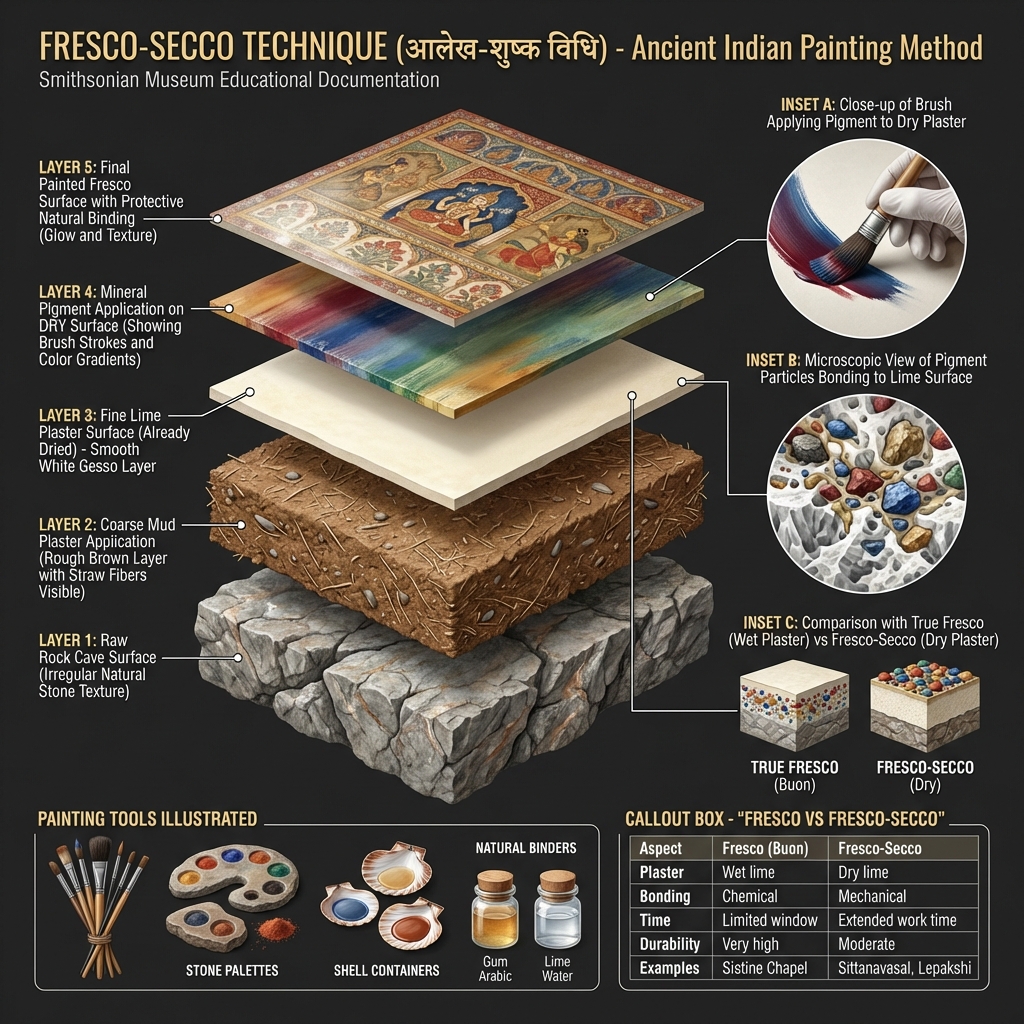
- Painting Styles Comparison:
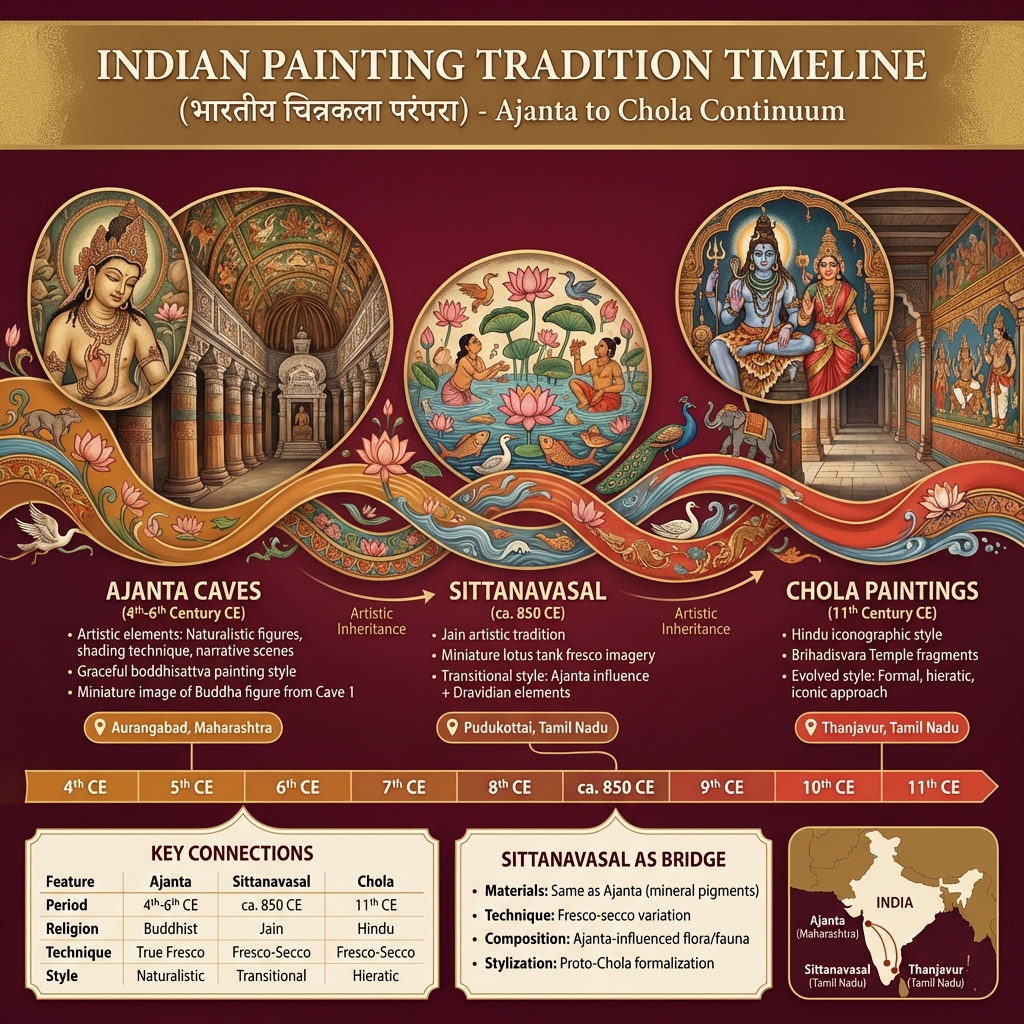
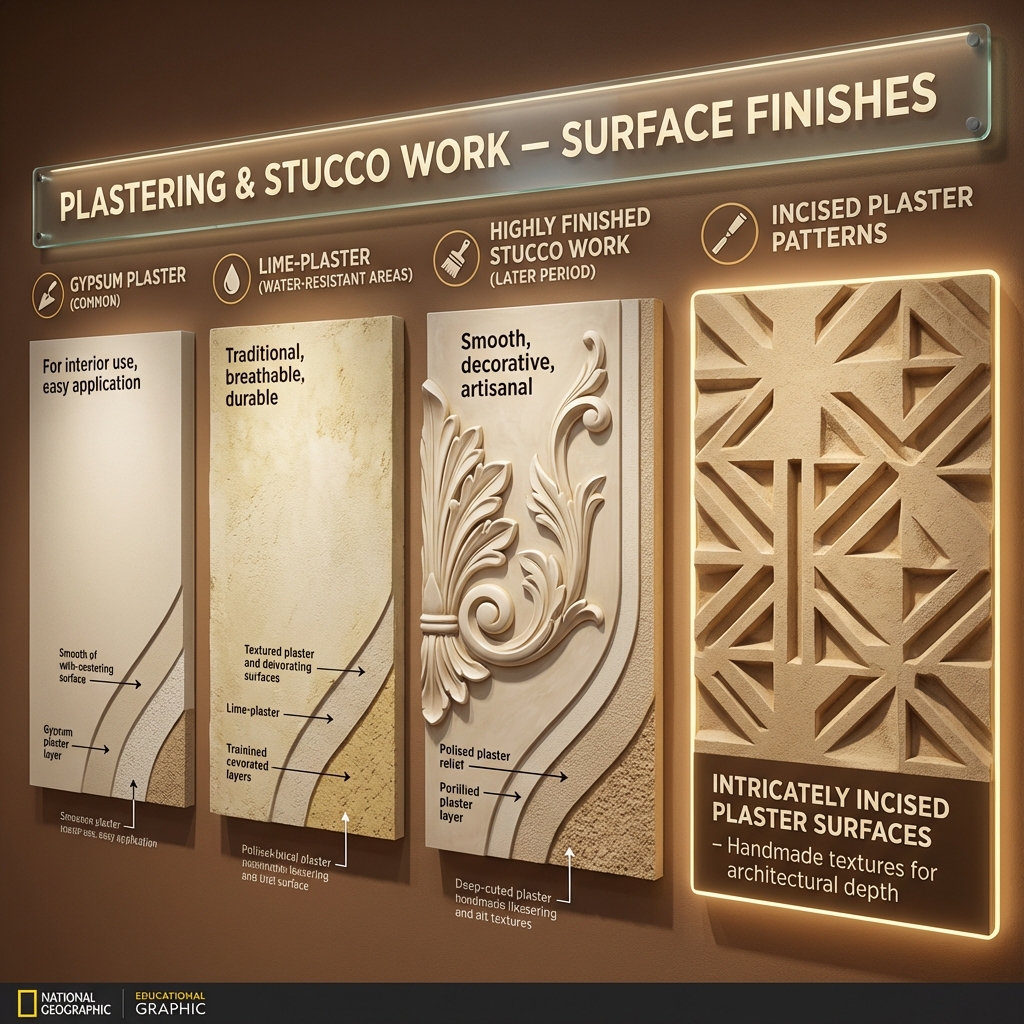
- Plastering Layer 1:
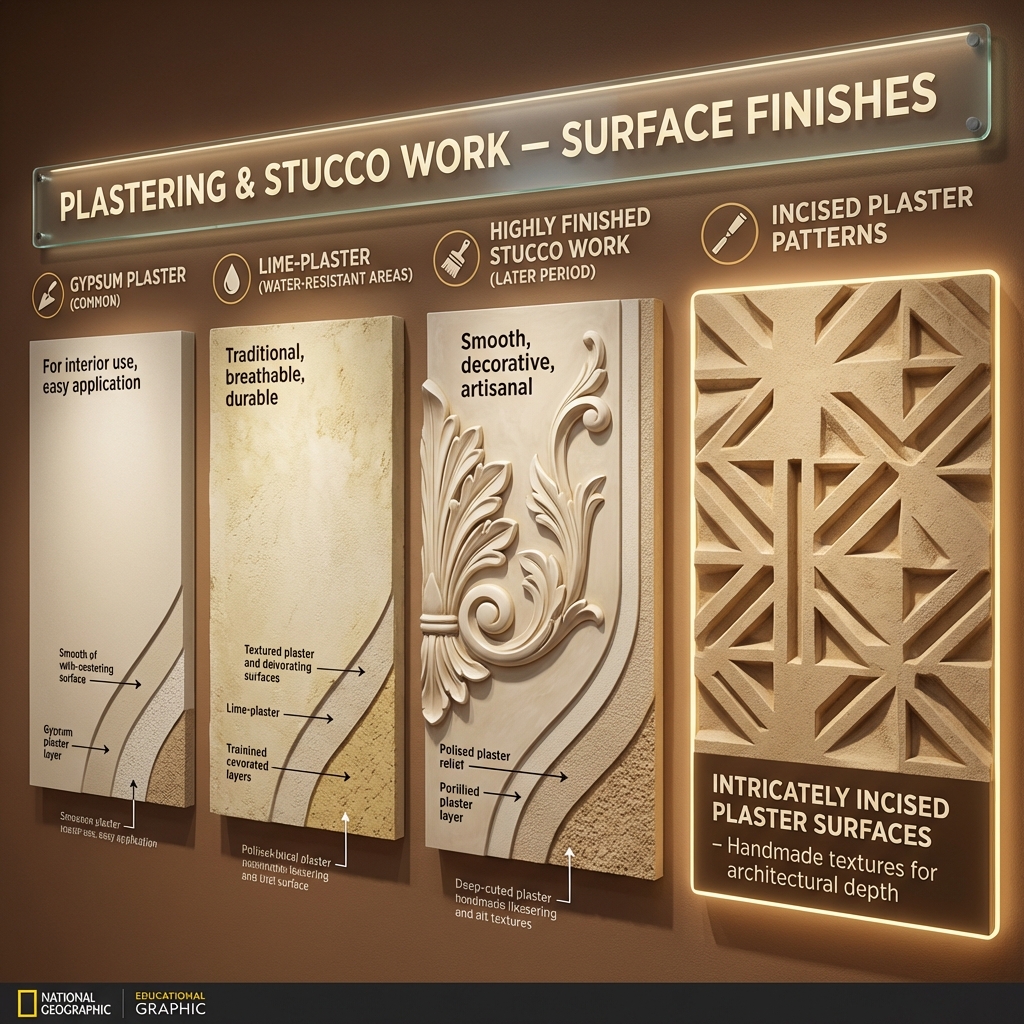
- Plastering Layer 2:
- Ajanta Caves: Monastic Mural Heritage:
- Ajanta Fresco: Bodhisattva Detail:
- Bagh Caves: Secular Murals:
- Kaavi Art:
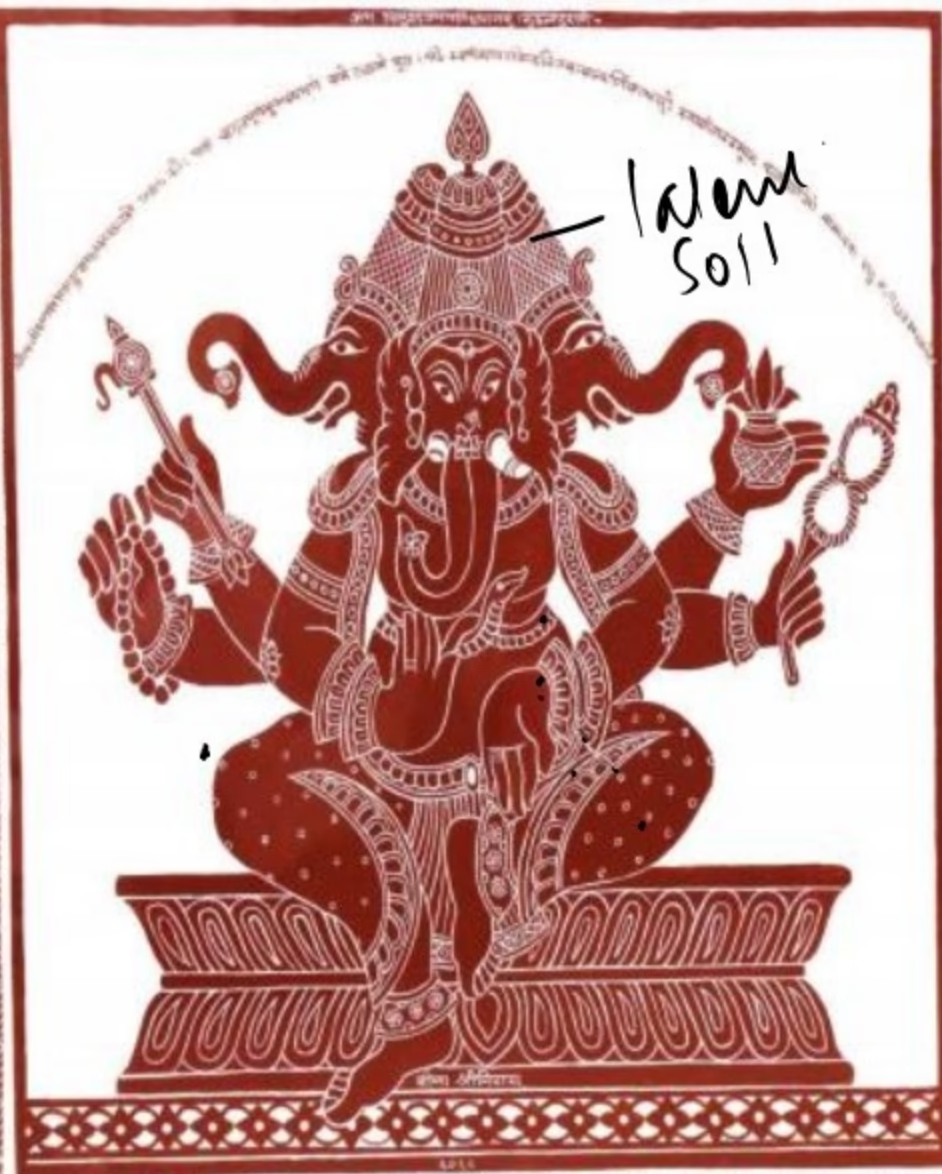
- Sohrai Mural:
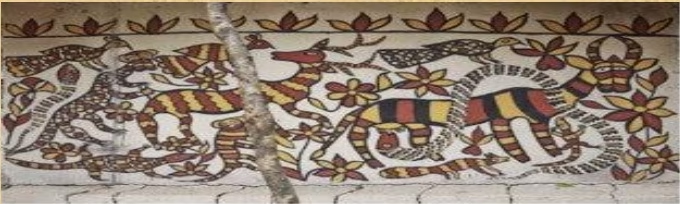
- Madhubani Painting (Mithila Art):
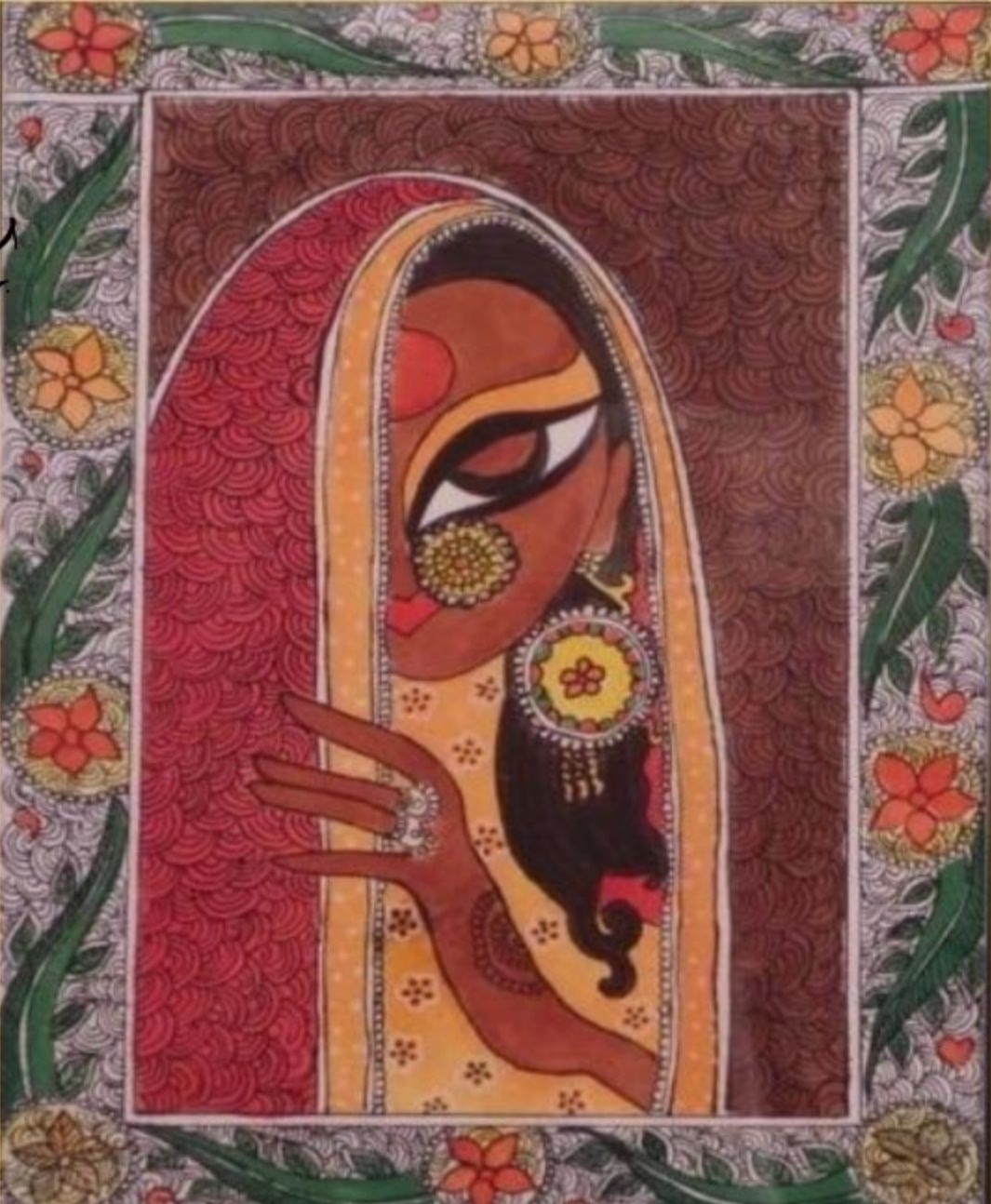
- Sittanavasal Jain Frescoes Detail:
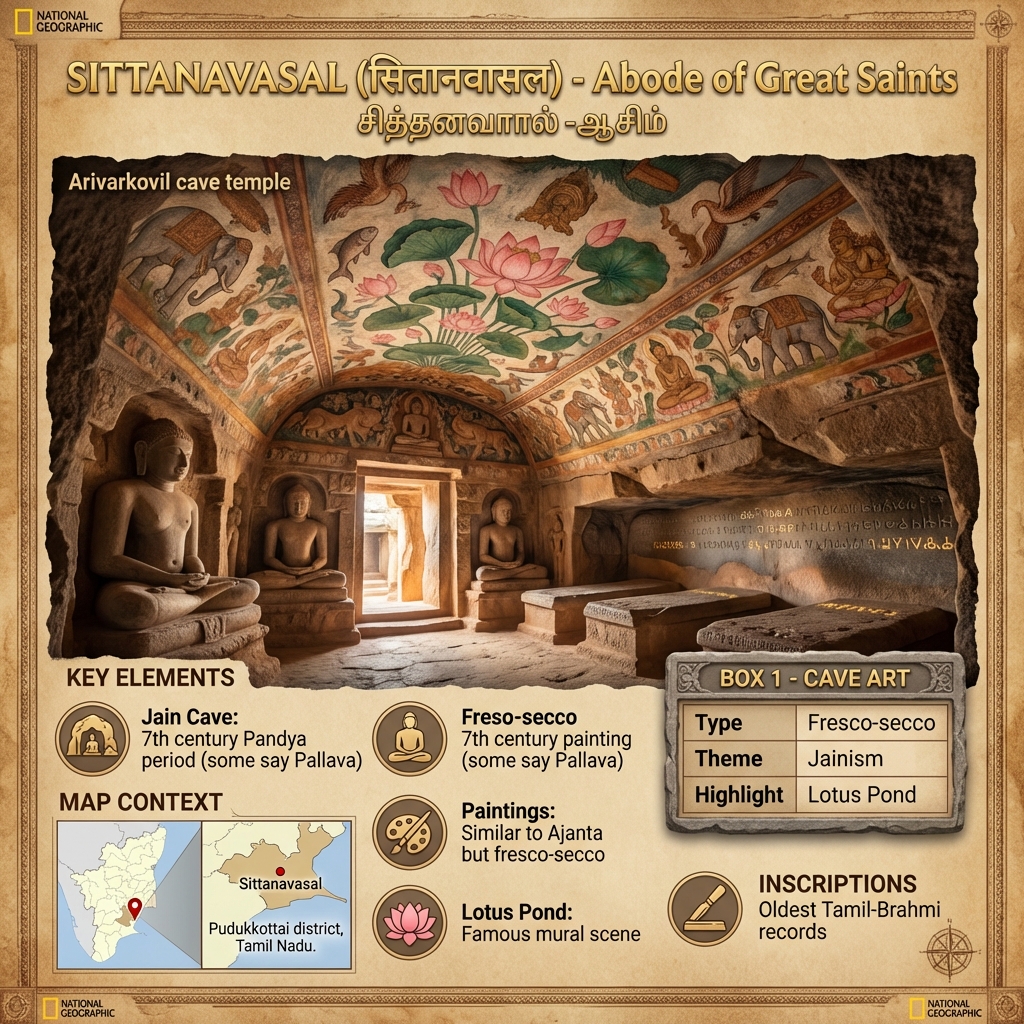
- Sittanavasal Lotus Tank Detail View:
- Sittanavasal Mineral Pigments Study:
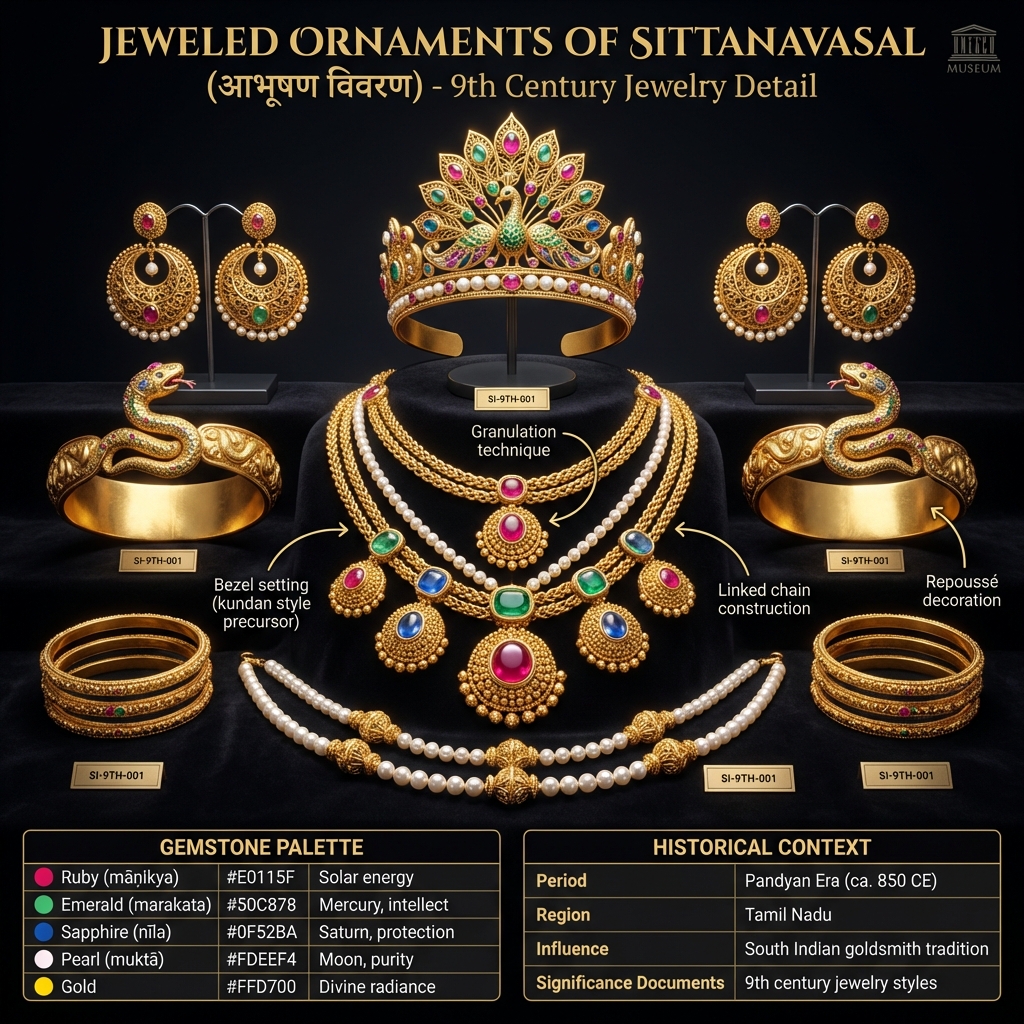
- Sittanavasal Jewelry Detail:
- Thirumalapuram Paintings Detail:
- Kangra Pahari Painting:
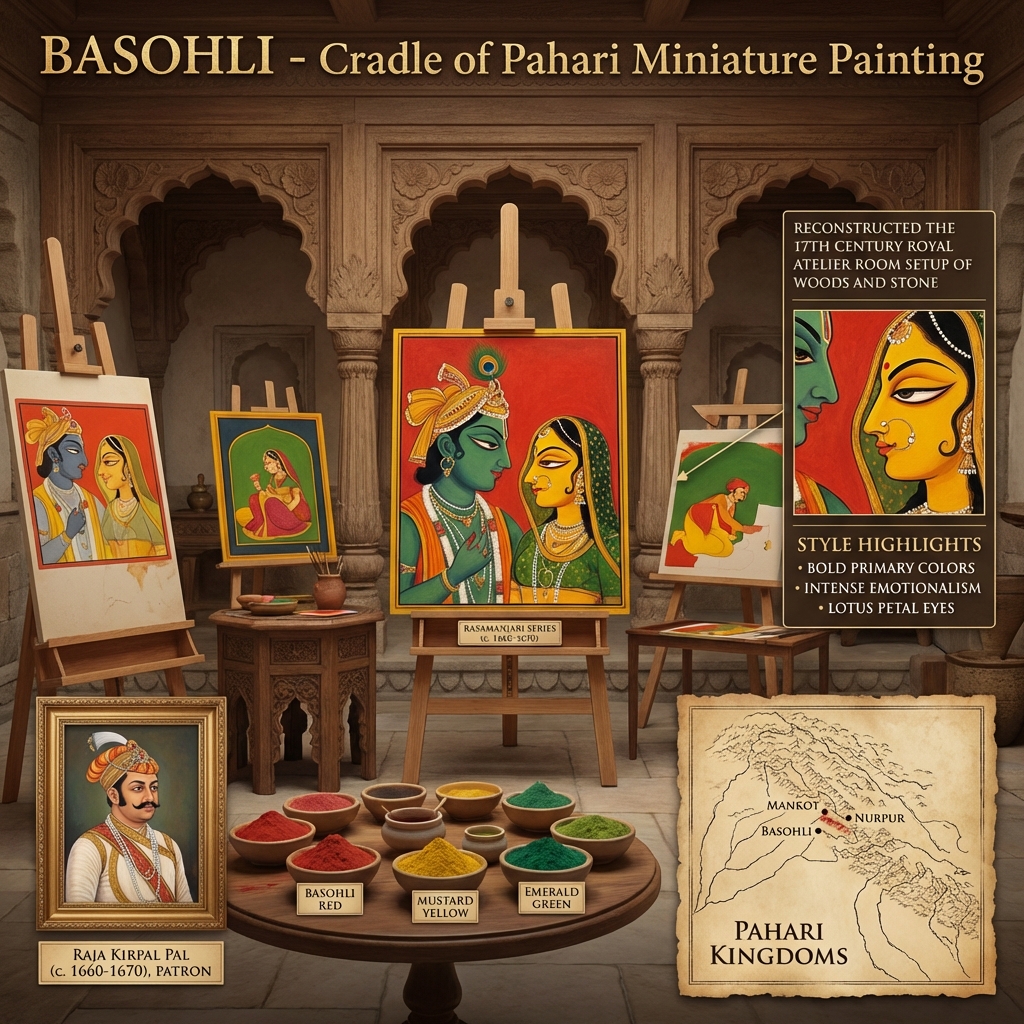
- Kangra Fort Painting Detail:
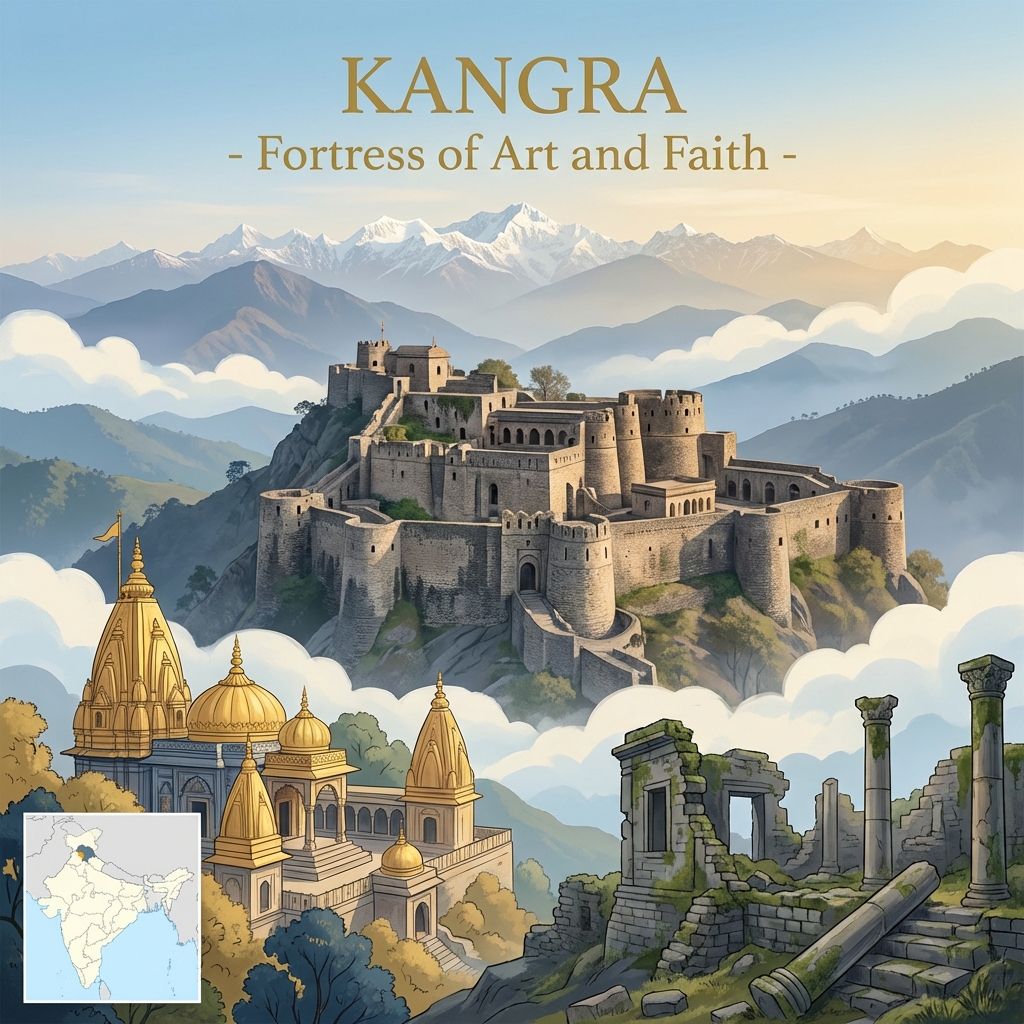
- Basohli Pahari Painting 1:
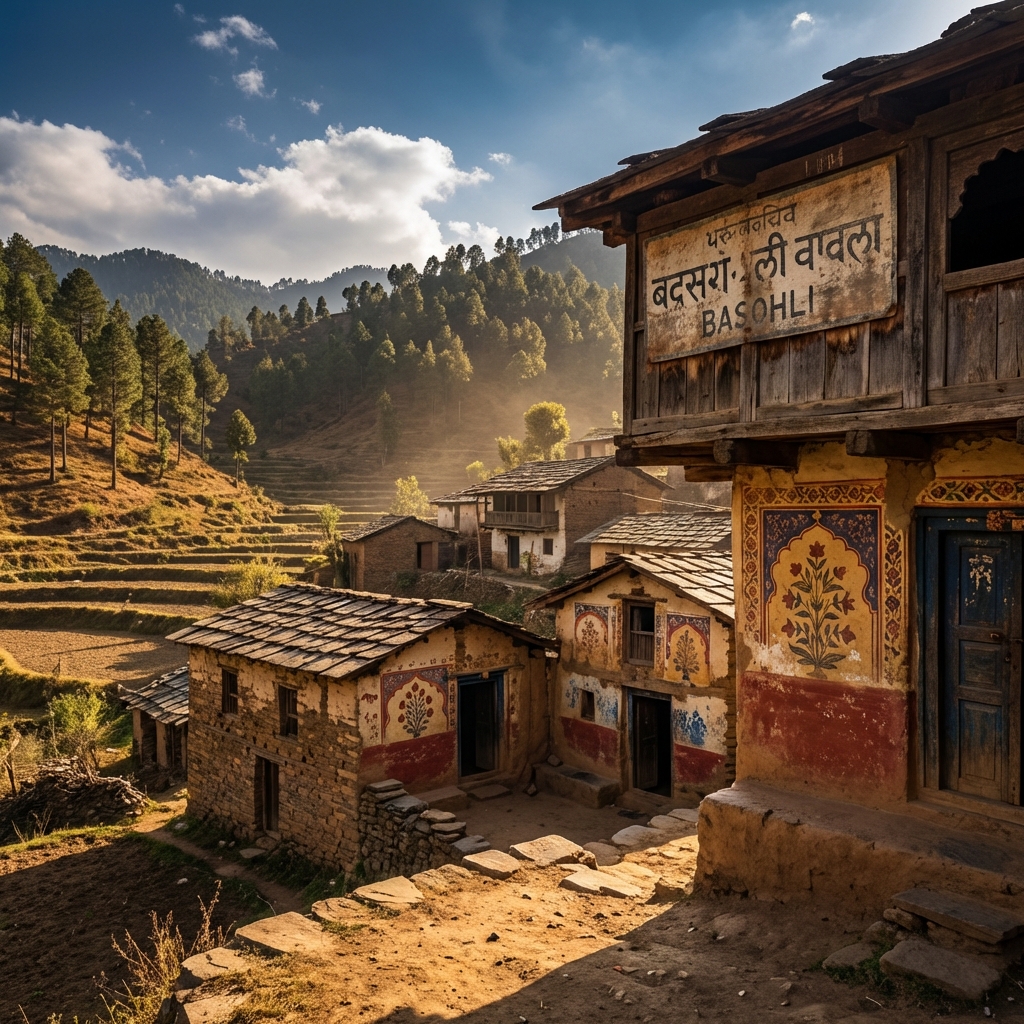
- Basohli Pahari Painting 2:
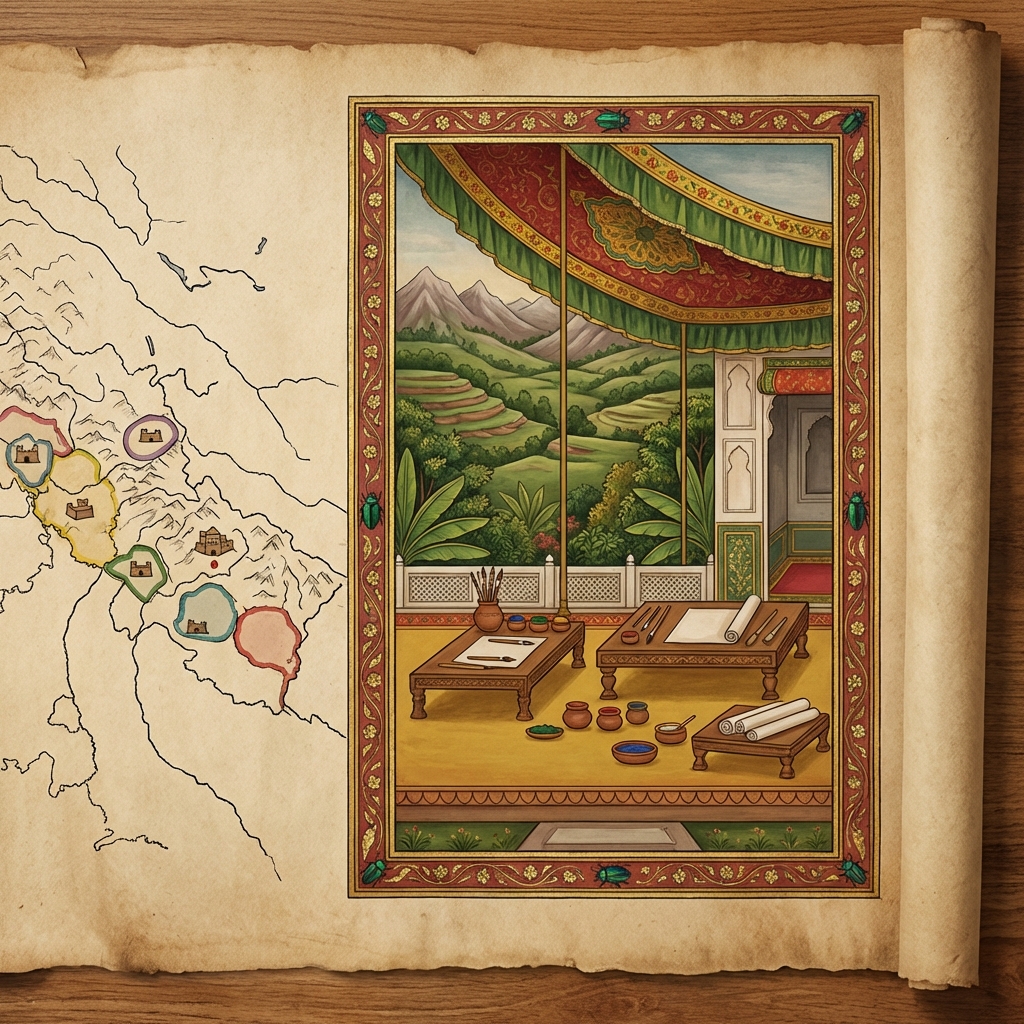
- Basohli Pahari Painting 3:
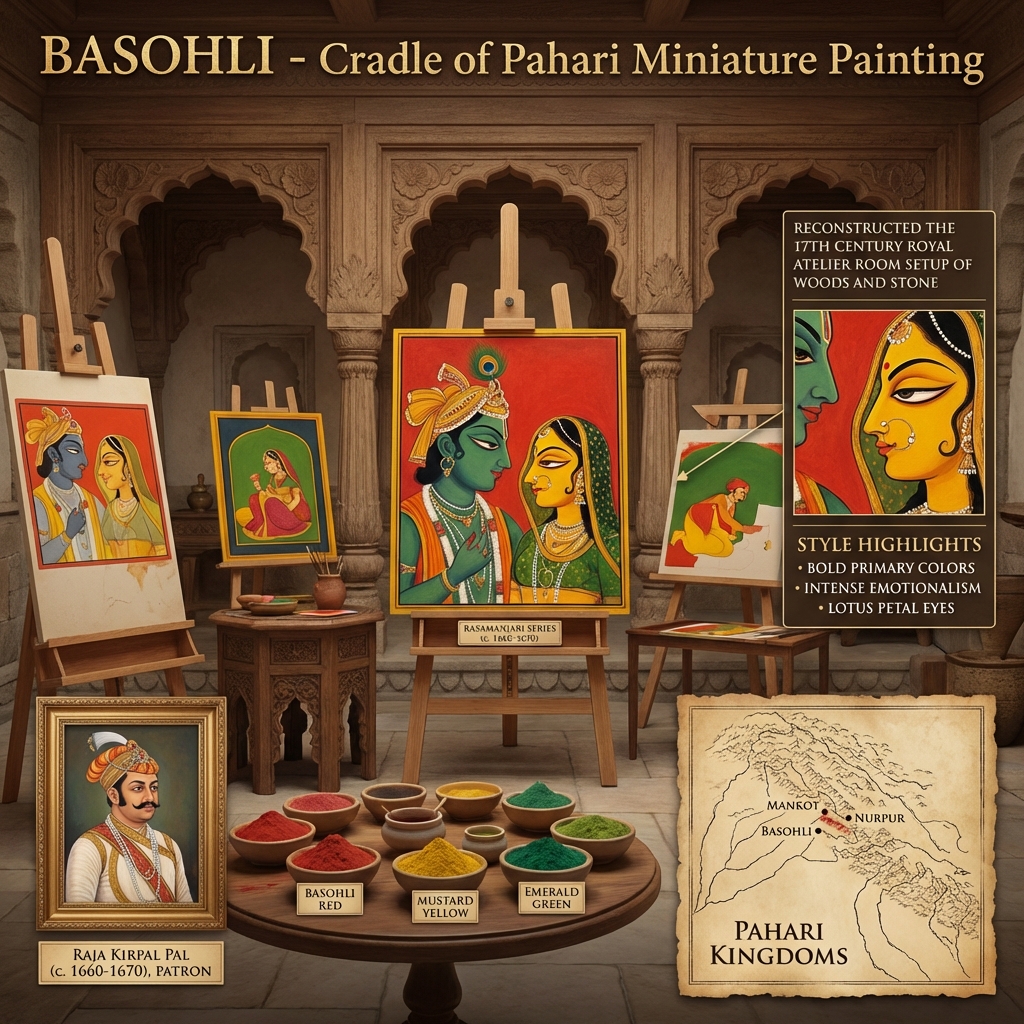
- Miniature Painting Detail:
- Kangra Painting (Pahari School):
- Kalamkari Painting:
- Pichwai Painting:
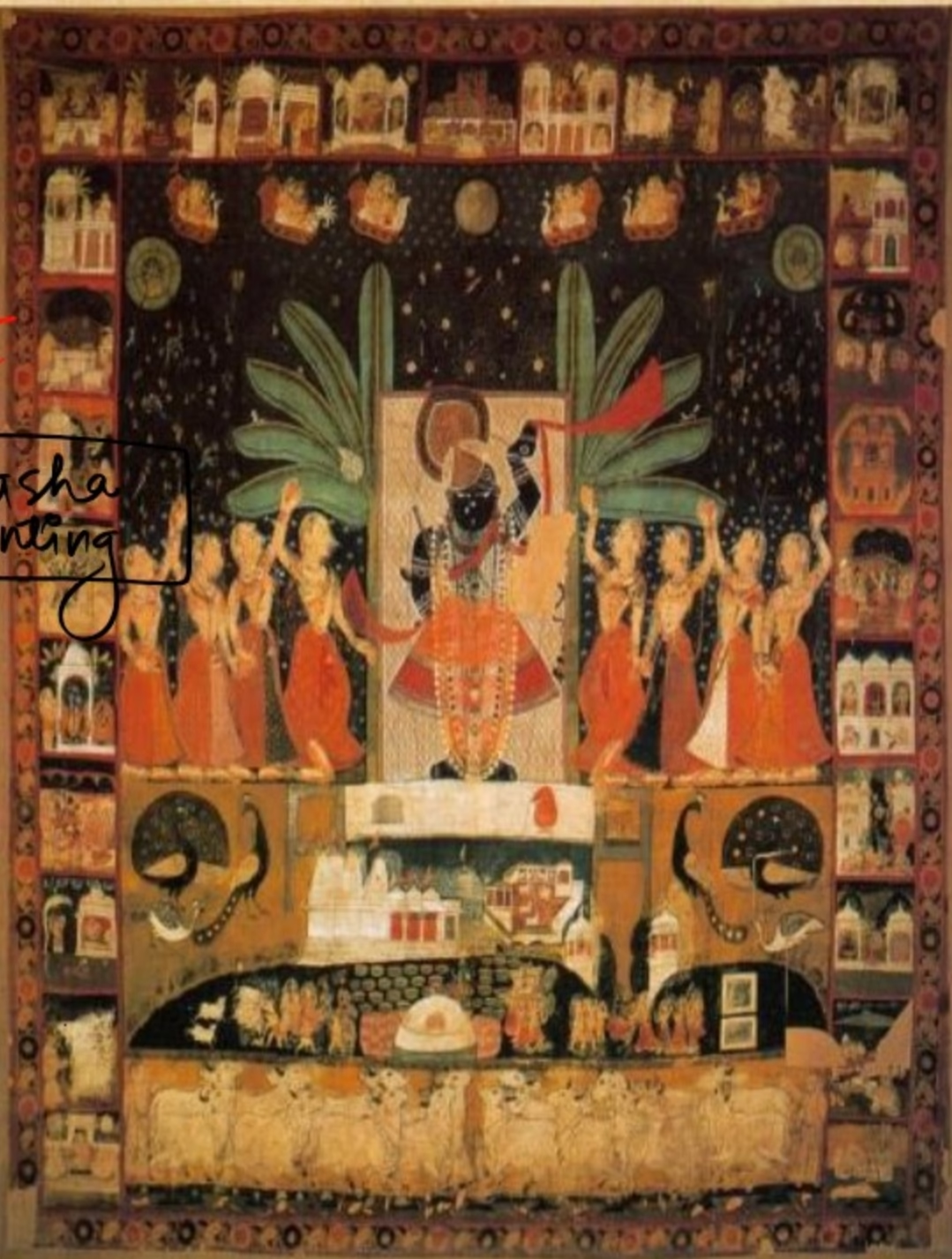
- Rogan Painting:
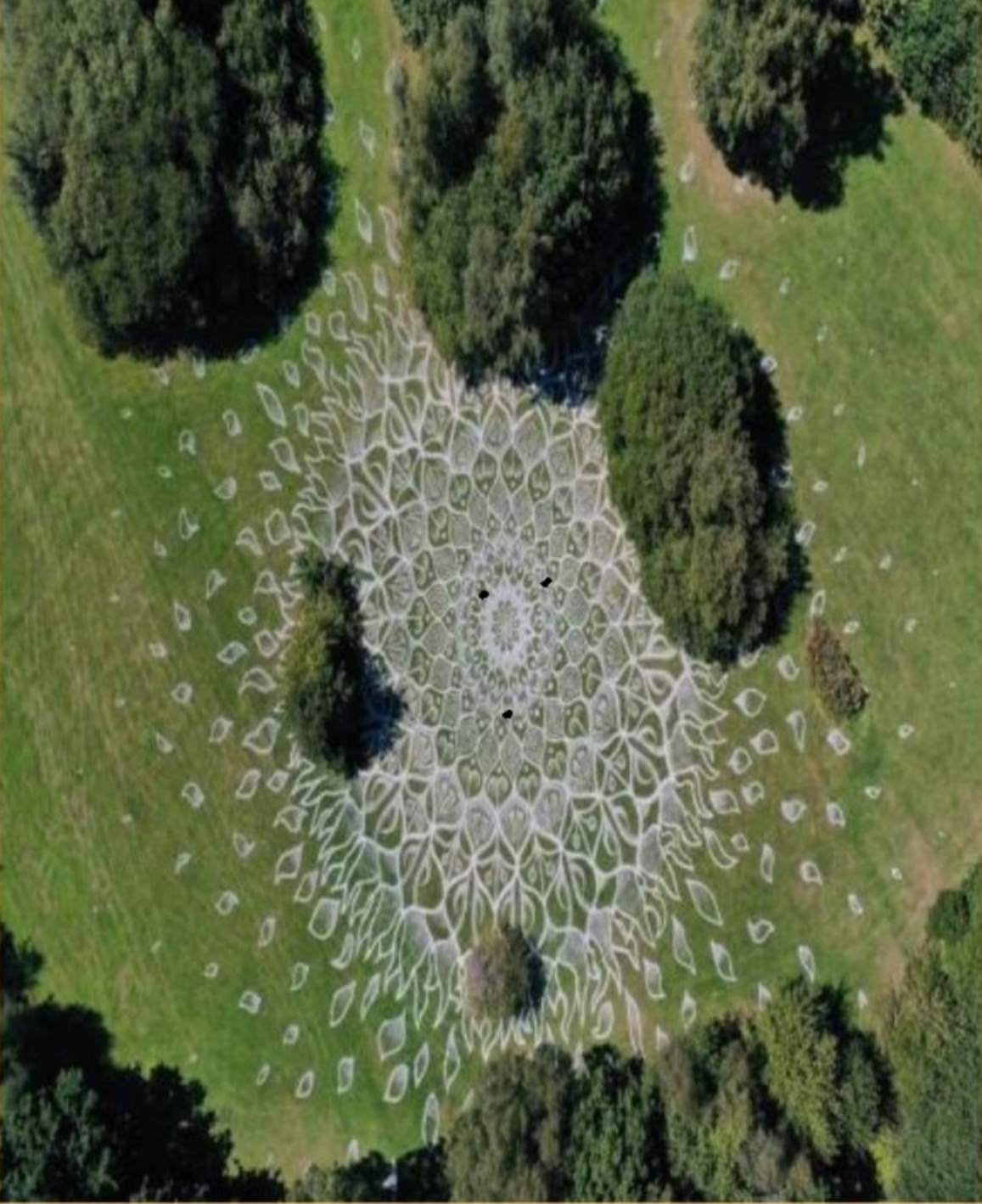
- Mandala Art:
- Padmapani Painting Variant:
- Vajrapani Painting Variant:
- Sittanavasal Cave Architecture:
- Sittanavasal Colors Study:
- Sittanavasal Couple Mural:
- Sittanavasal Lotus Tank Alternate View: