Performing Arts I: Indian Classical Dance & Martial Arts
Overview of Dance and Martial Traditions
Overview of Dance and Martial Traditions
| Cue Words | Notes |
|---|---|
| Grammar of Indian Dance: Natya Shastra & Abhinaya Darpana | - *Natya Shastra:* by sage Bharata; foundational treatise detailing body postures, gestures, makeup, emotional expressions - *Abhinaya Darpana:* by Nandikeshvara; primary text describing gestures (*mudras*) & dance grammar |
| Dual Aspects: Tandava & Lasya | - *Tandava:* masculine aspect, power, force, rhythmic vigor (Shiva) - *Lasya:* feminine aspect, grace, soft movements, emotional sweetness (Parvati) |
Indian Classical Dance: Canonical Forms and Concepts
Indian Classical Dance: Canonical Forms and Concepts
| Cue Words | Notes |
|---|---|
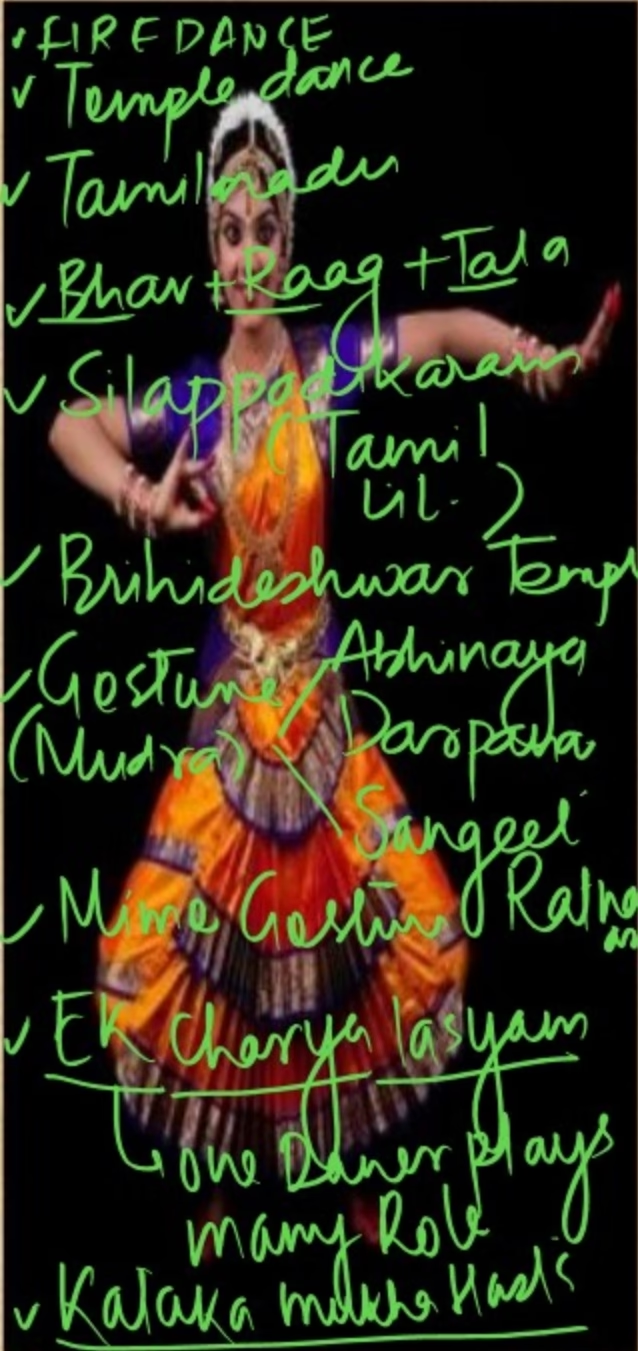
| Bharatanatyam (Tamil Nadu) |
|
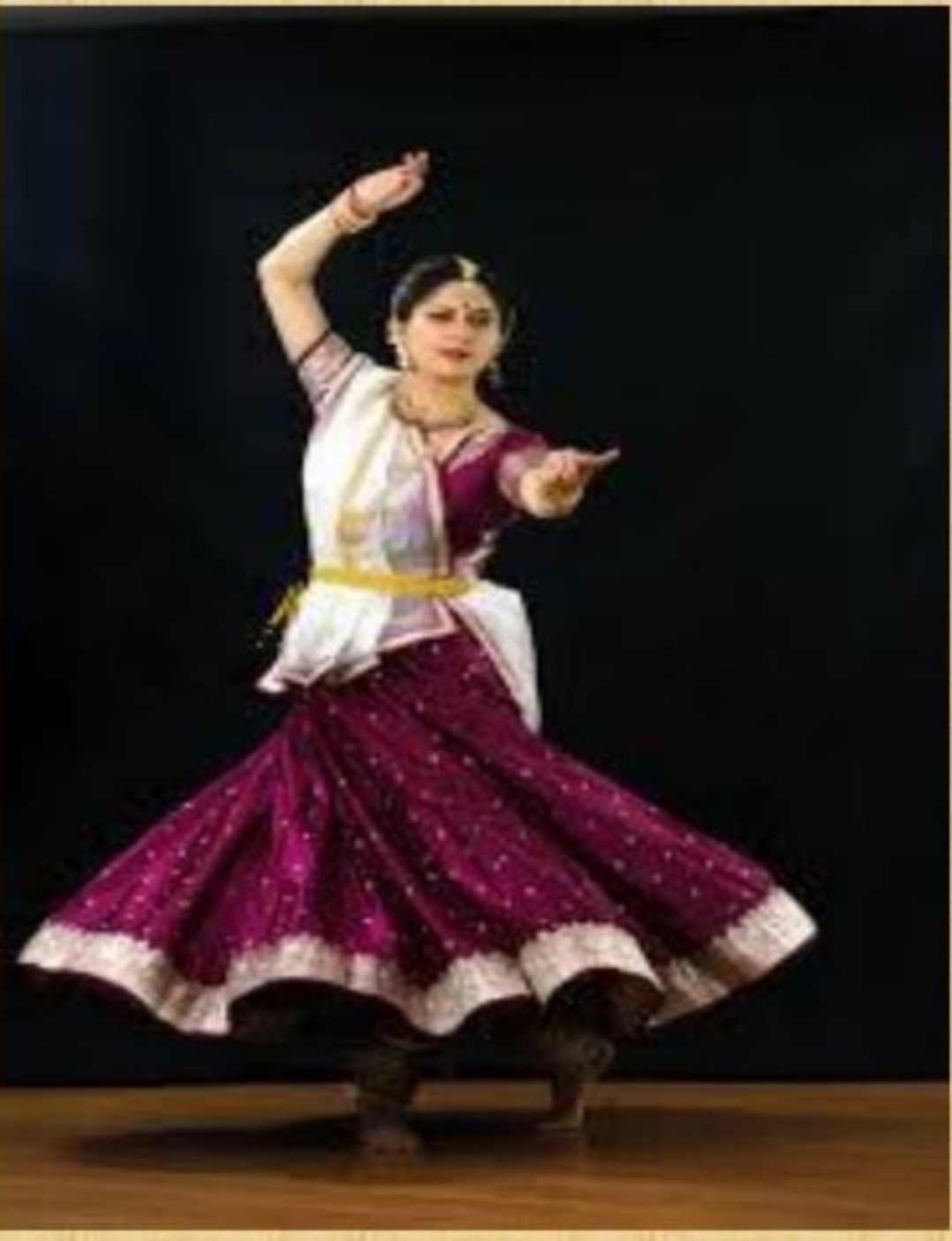
| Kathak (Northern India) | - Derived from 'Kathakars' (storytellers); **Tatkar** (footwork), **Chakkars** (spins), thumris - Indo-Islamic synthesis in Mughal courts; Lucknow, Jaipur, Banaras gharanas |
| Kathakali (Kerala) | - Stylized dance-drama depicting conflict between gods and demons - Makeup: green (**Pacha**) = noble; red/black (**Kathi**) = evil |
| Kuchipudi (Andhra Pradesh) |
|
| Odissi (Odisha) |
|
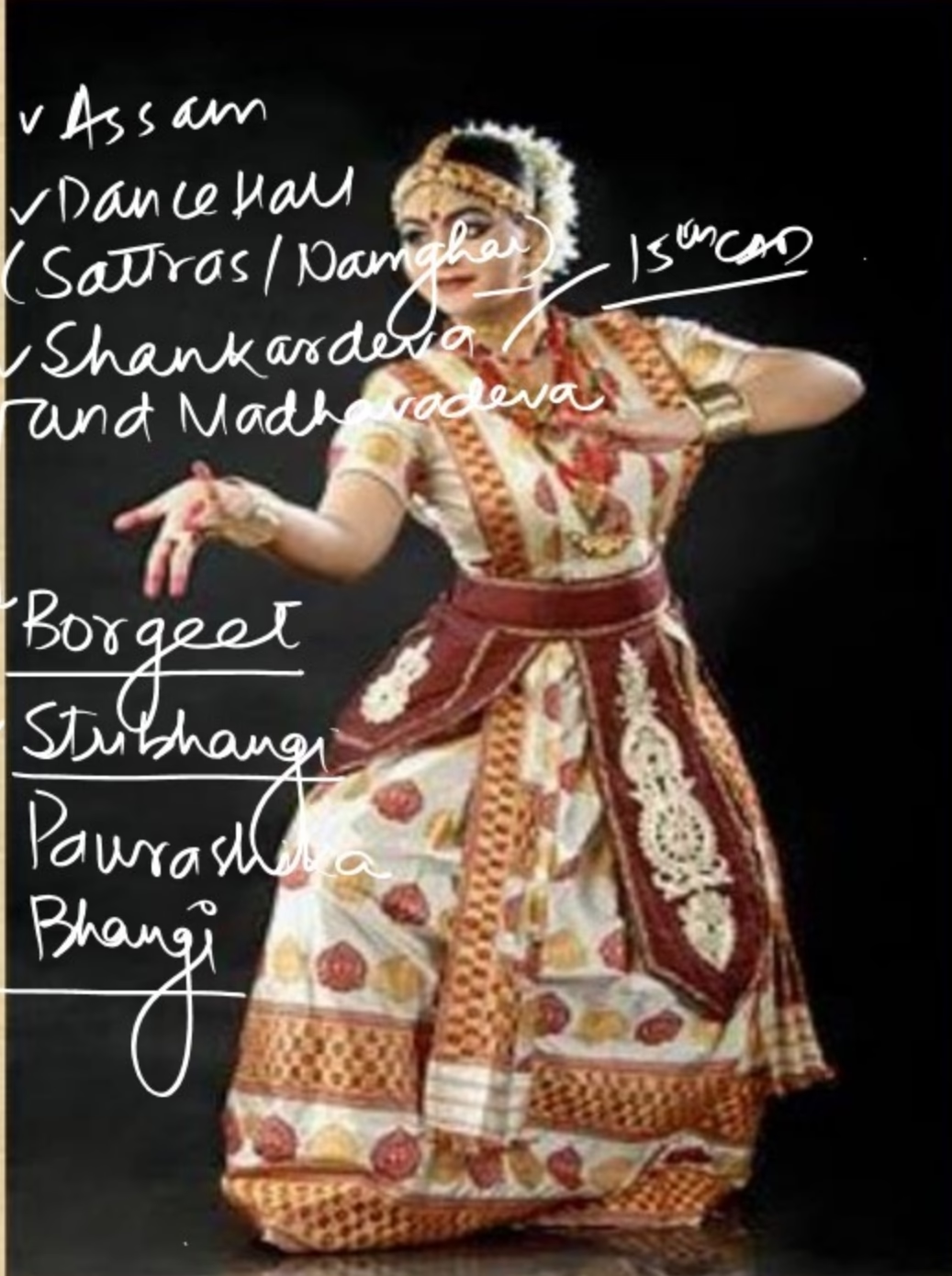
| Sattriya (Assam) | - Introduced by Bhakti saint **Srimanta Sankardev** (15th century) - Kept alive in **Sattras** (monastic institutions); focuses on Krishna stories |
| Manipuri (Manipur) |
|
| Mohiniyattam (Kerala) | - Dance of enchantress (*Mohini*); solo feminine dance - Soft, swaying movements mimicking coconut leaves; dominated by *Lasya* aspect |
| Technical Classification: Nritta, Nritya, Natya |
|
| Four Dimensions of Abhinaya | - *Angika:* physical movements & limb gestures - *Vachika:* speech, song, vocal modulation - *Aharya:* costumes, jewelry, physical makeup - *Sattvika:* internal emotional states (tears, goosebumps, trembling) |
Indian Martial Arts and Folk Traditions
Indian Martial Arts and Folk Traditions
| Cue Words | Notes |
|---|---|
| Kalaripayattu (Kerala) | - Oldest surviving martial art; steps mimic animal movements - Uses **Urumi** (flexible, ribbon-like sword) |
| Silambam (Tamil Nadu) | - Staff-fencing style using bamboo poles; mentioned in Sangam literature |
| Gatka (Punjab) | - Sikh stick-fighting style associated with Khalsa & festival displays (Hola Mohalla) |
| Thang-Ta (Manipur) | - Weapon-based martial art ("sword and spear"), part of *Huyen Langlon* system - Combines physical moves with meditative breathing |
| Mardani Khel (Maharashtra) | - Maratha weapon art emphasizing **Patta** (gauntlet sword) & shields |
| Garba (Gujarat) | - Navratri lit lamp dance; inscribed on UNESCO Intangible Heritage (2023) |
| Chhau Dance (WB, Odisha, Jharkhand) | - Masked martial dance depicting mythological battles; UNESCO Intangible Heritage |
| Kalbelia (Rajasthan) | - Nomadic snake-charmer tribe, black dresses, sensuous snake movements; UNESCO Intangible Heritage |
| Bihu (Assam) | - Energetic folk dance celebrating harvest & spring festivals |
UPSC Recall & Traps
UPSC Recall & Traps
| Cue Words | Notes |
|---|---|
| Sattriya Monastic Roots | - Monastic connection to **Sattras** of Assam; created by Bhakti saint **Srimanta Sankardev** |
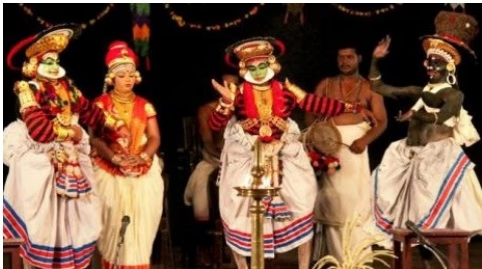
| Kutiyattam Theater | - Only surviving Sanskrit theater form in Kerala; UNESCO Masterpiece of Oral & Intangible Heritage |
| Ghunghroo Ankle Bells Trap | - Common trap: **Manipuri** dancers do NOT wear ankle bells |
| Tribhanga Posture Trap | - Exclusive & defining posture of **Odissi** |
🖼️ Supplemental Asset Directory
Supplemental Asset Directory
- Bharatanatyam Dance:
- Kathak Dance:
- Sattriya Dance:
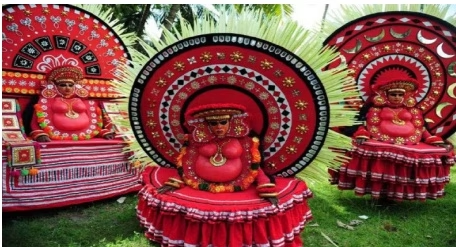
- Theyyam Dance:
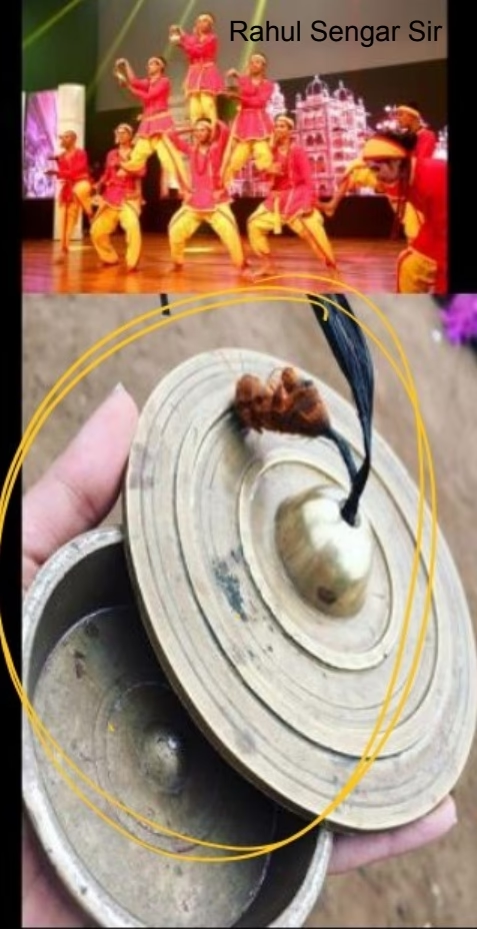
- Kamsale Dance:
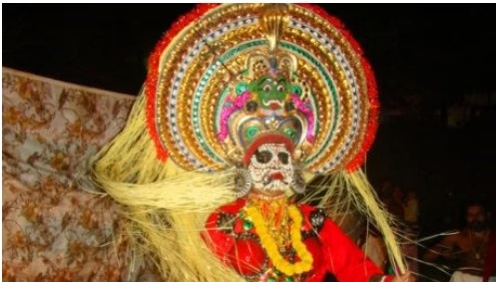
- Mudiyettu Ritual Theatre:
- Koothiyattam Performance:
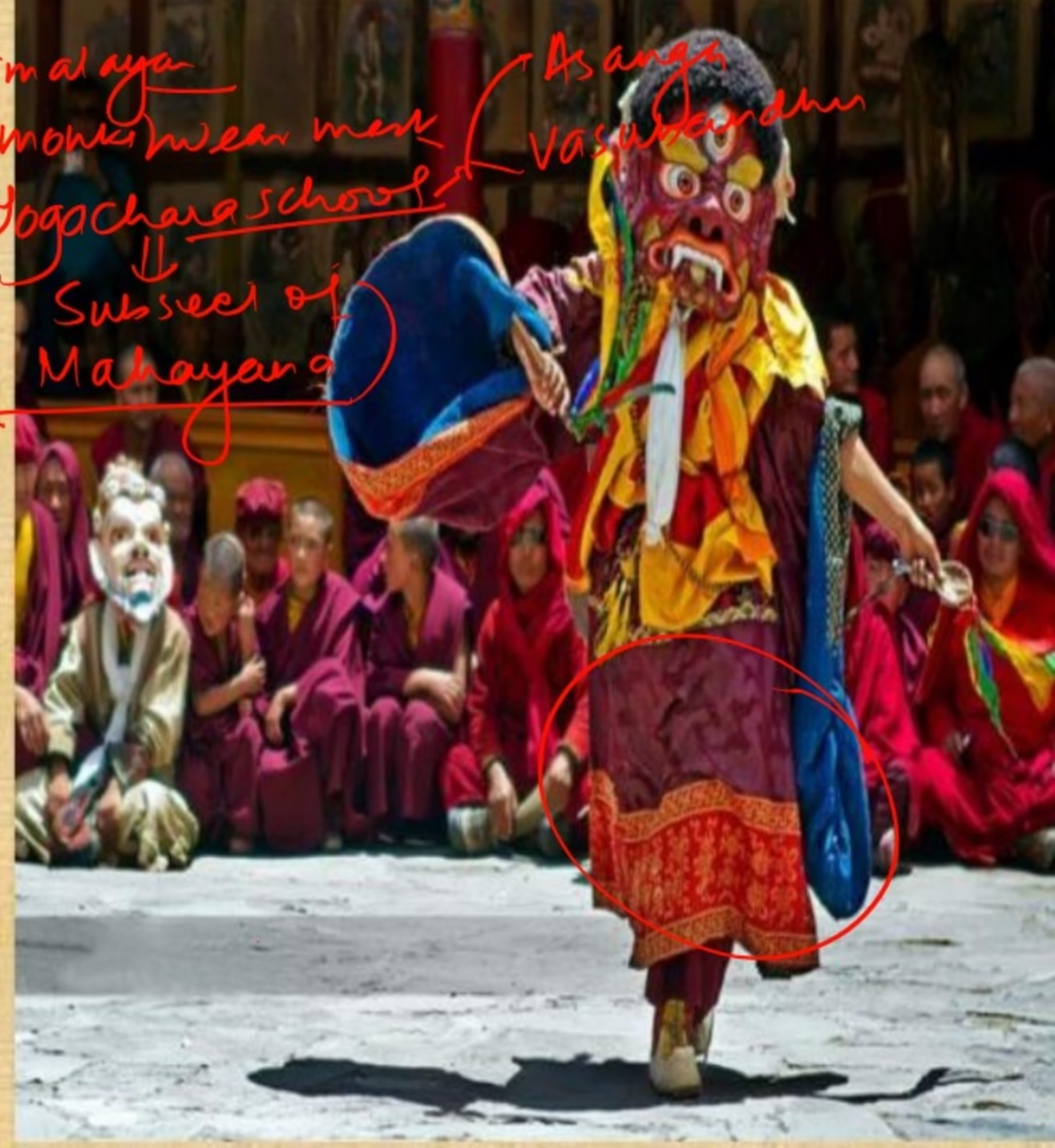
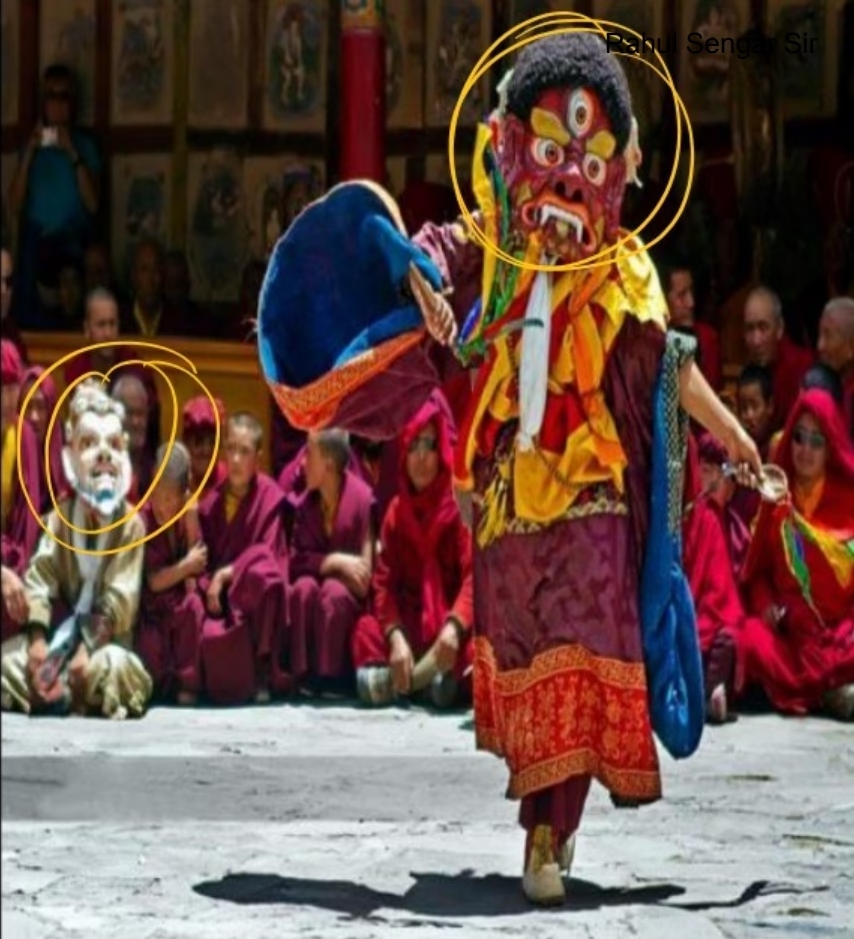
- Cham Dance (Lama Dance):
- Cham Dance Variant 2:
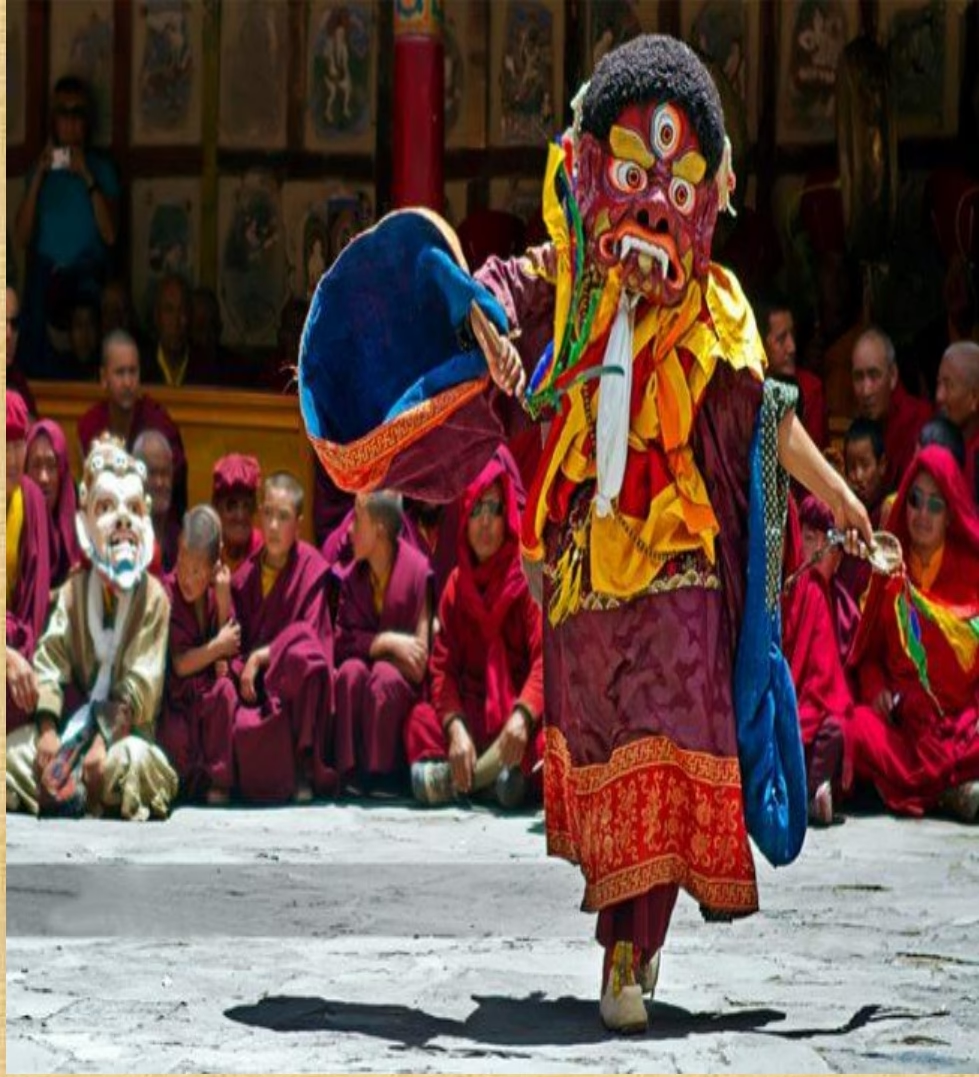
- Cham Dance Variant 3:
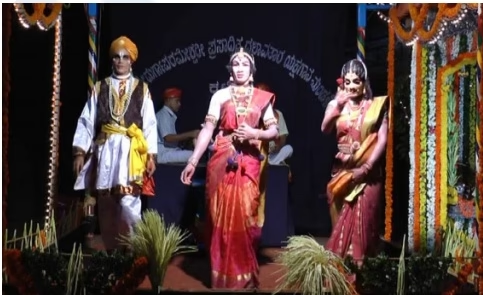
- Bayalata Performance:
- Srimanta Sankardev developed Sattriya, one of India's eight classical dance forms, growing out of his Ankiya Naat one-act play tradition.
- Gussadi dance is a tribal folk dance performed exclusively by men of the Raj Gond tribe (mainly Adilabad, Telangana) during the 9-10 day Dandari festival around Diwali, symbolising harvest, triumph and social unity.
- Dandari troupes (20-40 members) wear red skirts, peacock-feather turbans, deer horns, goat skins, with rhythmic drumming on Dappu, Tudumu, Vette, Dolki, Pipri, Kolikammu; Raj Gond is one of India's largest tribal communities across Telangana, Maharashtra, MP, Chhattisgarh.
- The Dandami Madia (Maria) tribe of southern Chhattisgarh, part of the wider Gondwana cultural tradition, performs the Bison Horn Maria dance reflecting hunting traditions and its bond with nature, attaining its grandest form during the Madia festival.
🎭 The Three Schools of Chhau
- Seraikella Chhau (Jharkhand): Uses ornate, expressionless masks; movements derived from local martial art (Paika/Kushti) and Chau movements called "Ufli" and "Topka".
- Purulia Chhau (West Bengal): Uses larger, more elaborate and colourful masks made in Charida village; vigorous, acrobatic martial movements depicting mythological battles.
- Mayurbhanj Chhau (Odisha): The only one of the three that performs without masks, relying on facial expressions (Abhinaya) alongside vigorous movement.
- All three trace martial origins and are performed by men only, traditionally during the spring Chaitra Parva festival.