Cosmology, Solar System & The Moon
Origin of Universe & Earth
Theories, Evidence & Geological Timescale
Theories, Evidence & Geological Timescale
| Cue Words | Notes |
|---|---|
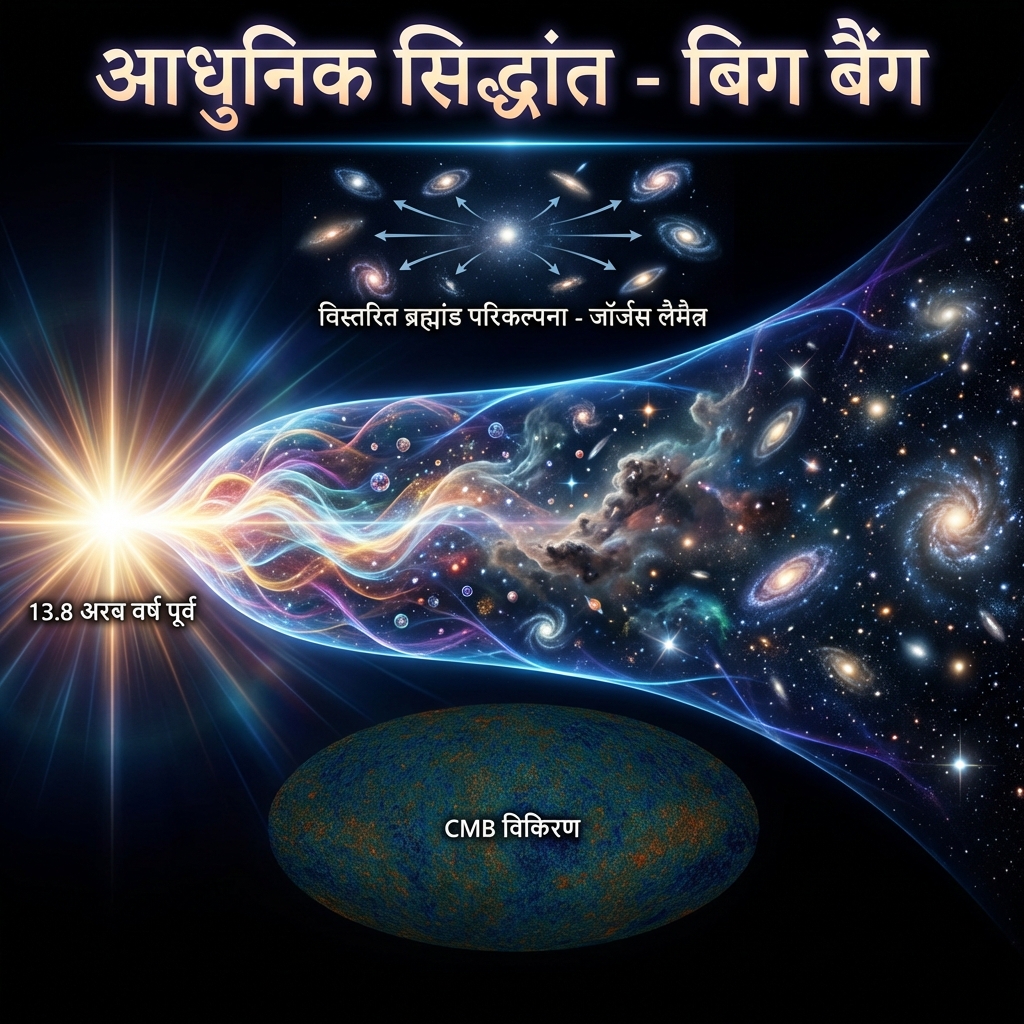
| Explain the Big Bang Theory and the primary observational evidence supporting it. | Big Bang Theory (Lemaître/Hubble):
|
| What is the Steady State Theory and why was it abandoned? | Steady State Theory (Fred Hoyle): Proposed that the universe remains unchanged in its density and appearance over time, continuously creating new matter. It was largely abandoned following the discovery of CMB, which supports a changing/expanding universe. |
| Detail the four primary Eons of the Geological Timescale. | Geological Eons:
|
| Classify the three Eras of the Phanerozoic Eon and state the current Epoch. | Eras & Current Epoch:
|
The Sun & Planetary System
Sun Composition & Planetary Classification
Sun Composition & Planetary Classification
| Cue Words | Notes |
|---|---|
| Detail the composition and physical structure of the Sun. | The Sun:
|
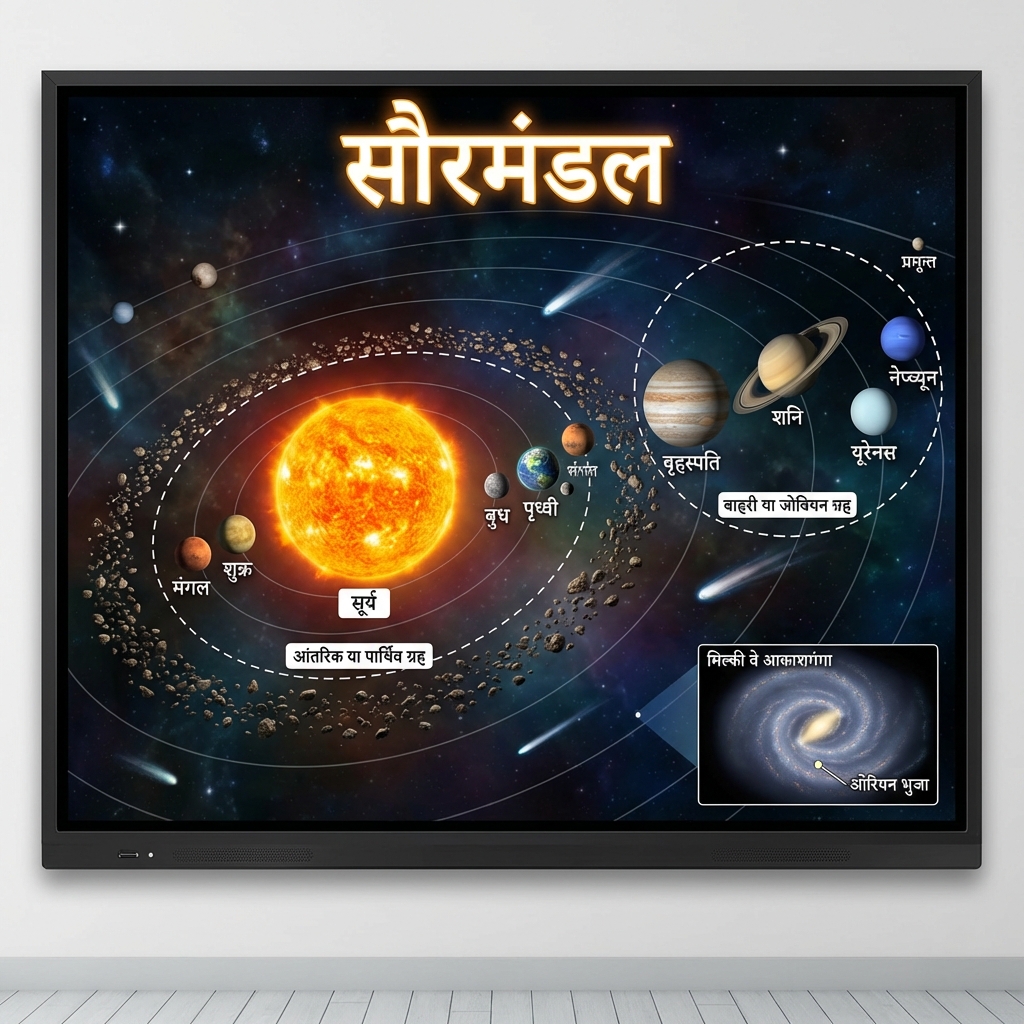
| Compare the characteristics of Inner (Terrestrial) and Outer (Jovian) planets. | Planetary Classification:
|
| What are the key physical highlights of Venus, Mars, and Jupiter? | Planetary Highlights:
|
| Identify the minor celestial bodies and explain the orientation of cometary tails. | Minor Celestial Bodies:
|
The Moon & Selenology
Physical Features & Orbital Mechanics
Physical Features & Orbital Mechanics
| Cue Words | Notes |
|---|---|
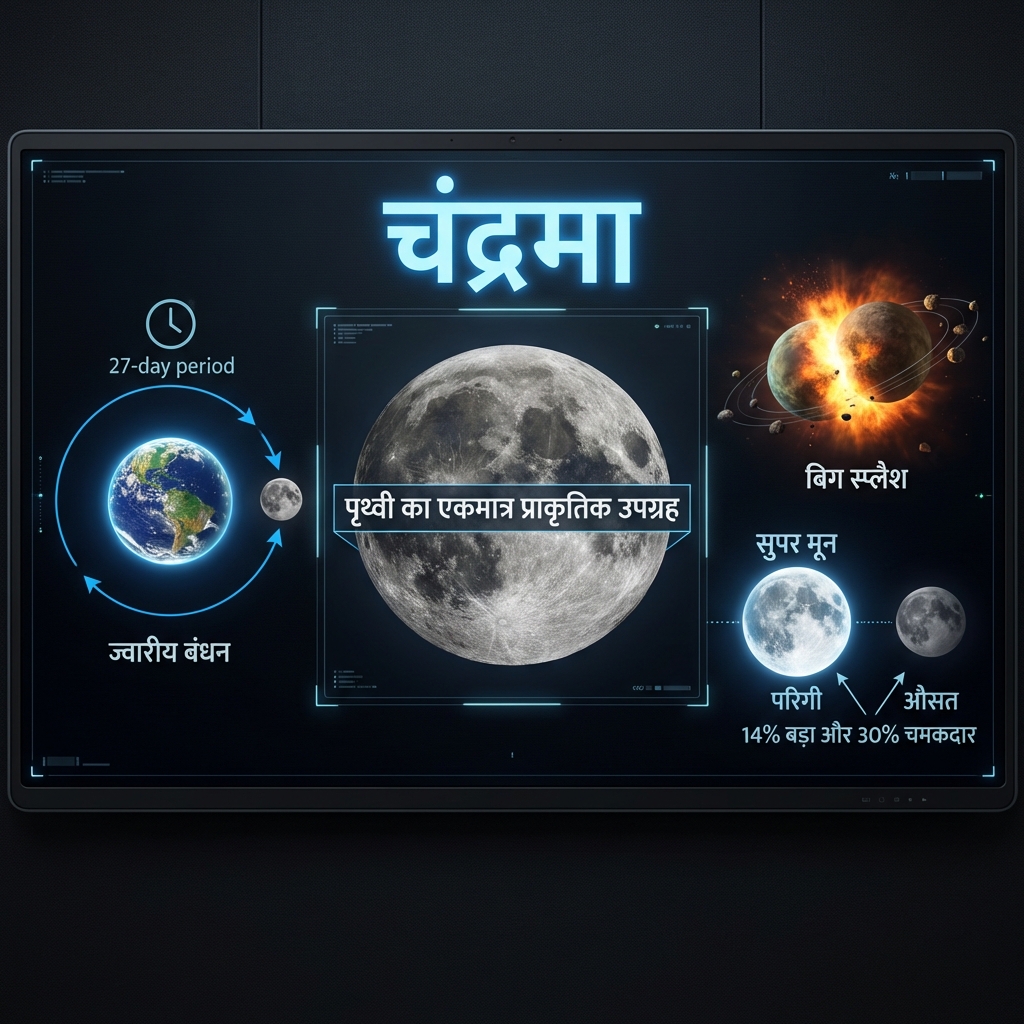
| Define 'Tidal Locking' and explain why only 59% of the Moon is visible from Earth. | Tidal Locking: The Moon's rotational period matches its orbital revolution period around the Earth (~27.3 days). Because of this synchronous rotation, only a maximum of **59%** of the lunar surface is ever visible from the Earth over time (due to slight orbital wobbles or libration). |
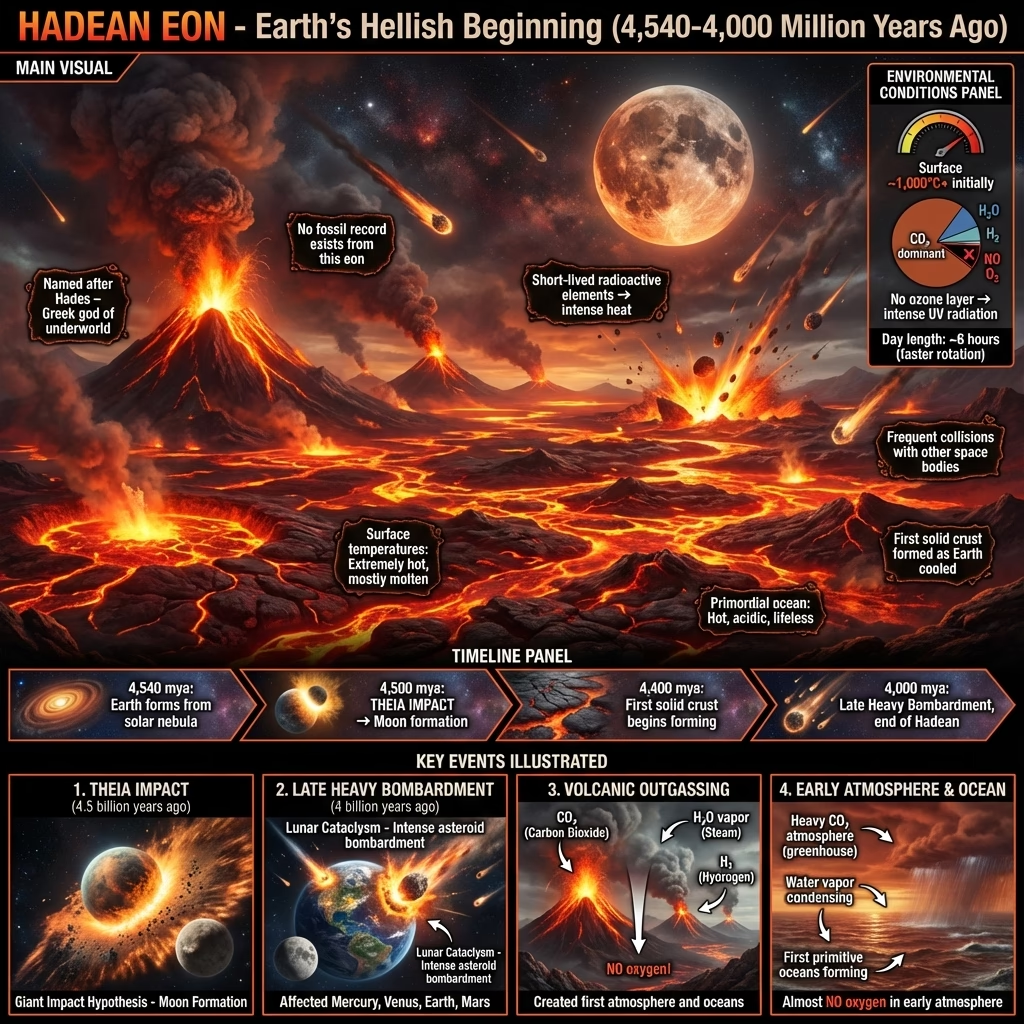
| What is the leading theory on the formation of the Moon? | Giant Impact Hypothesis (Big Splash Theory): Proposes that a Mars-sized body (Theia) collided with the early proto-Earth approximately 4.4 Bya, ejecting debris into orbit that eventually coalesced to form the Moon. |
| Distinguish between a Sidereal Month and a Synodic Month. | Sidereal vs Synodic Month:
|
High-Yield UPSC Recall Facts
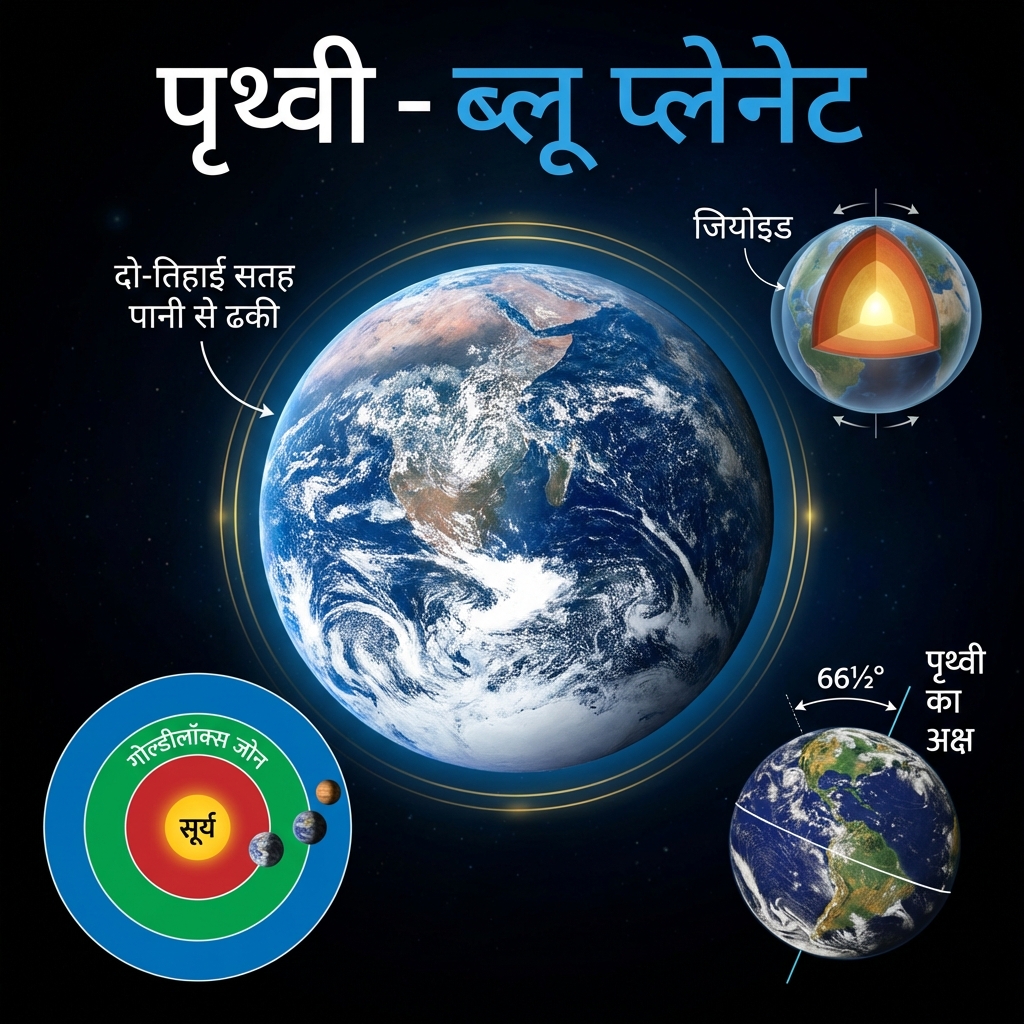
- Goldilocks Zone: The habitable circumstellar region where temperatures allow liquid water to exist on a planet's surface (Earth's orbit).
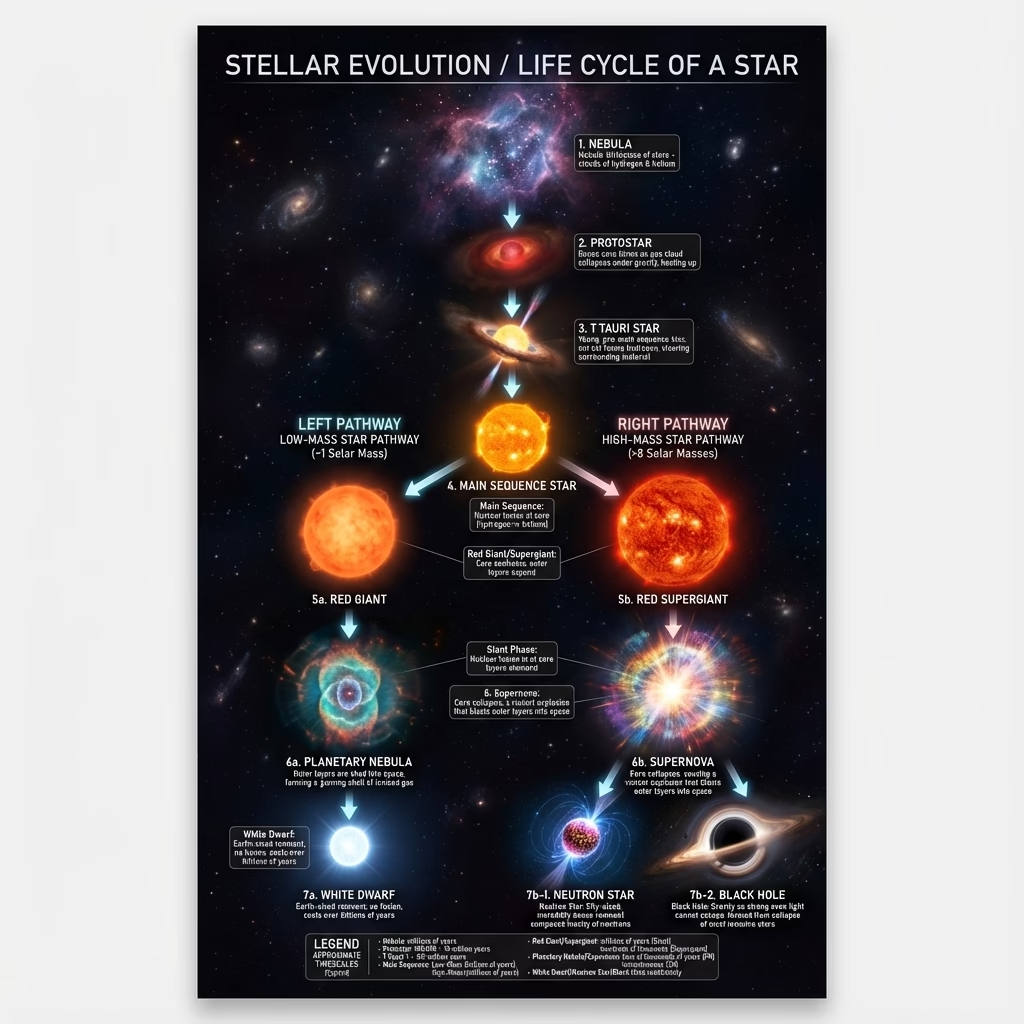
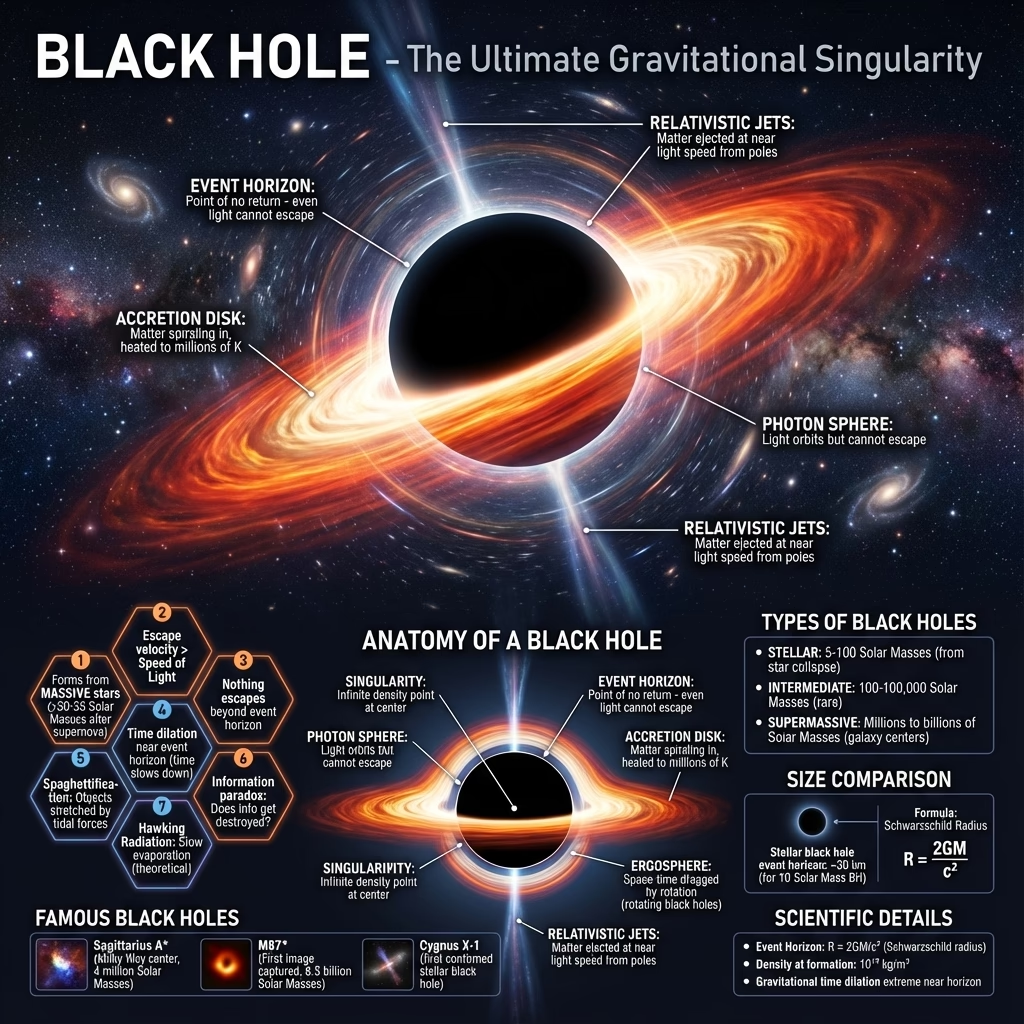
- Chandrasekhar Limit: Defined as 1.4 solar masses, which is the threshold limit for a white dwarf star to collapse into a neutron star or black hole.
- Retrograde Rotation: In our Solar System, only Venus and Uranus rotate clockwise (East to West).
- Sea of Tranquility: A dark, basaltic plain on the Moon where the Apollo 11 lunar module landed.
🪐 Dwarf Planets & Kepler's Laws
- IAU 2006 Reclassification: The International Astronomical Union redefined "planet" to require an object to (i) orbit the Sun, (ii) be spherical (hydrostatic equilibrium), and (iii) have cleared its orbital neighbourhood. Pluto fails criterion (iii) and was reclassified as a dwarf planet.
- Recognised Dwarf Planets: Pluto and Eris (Kuiper Belt), Ceres (the only one in the Asteroid Belt, and the largest asteroid-belt object), Haumea and Makemake (Kuiper Belt).
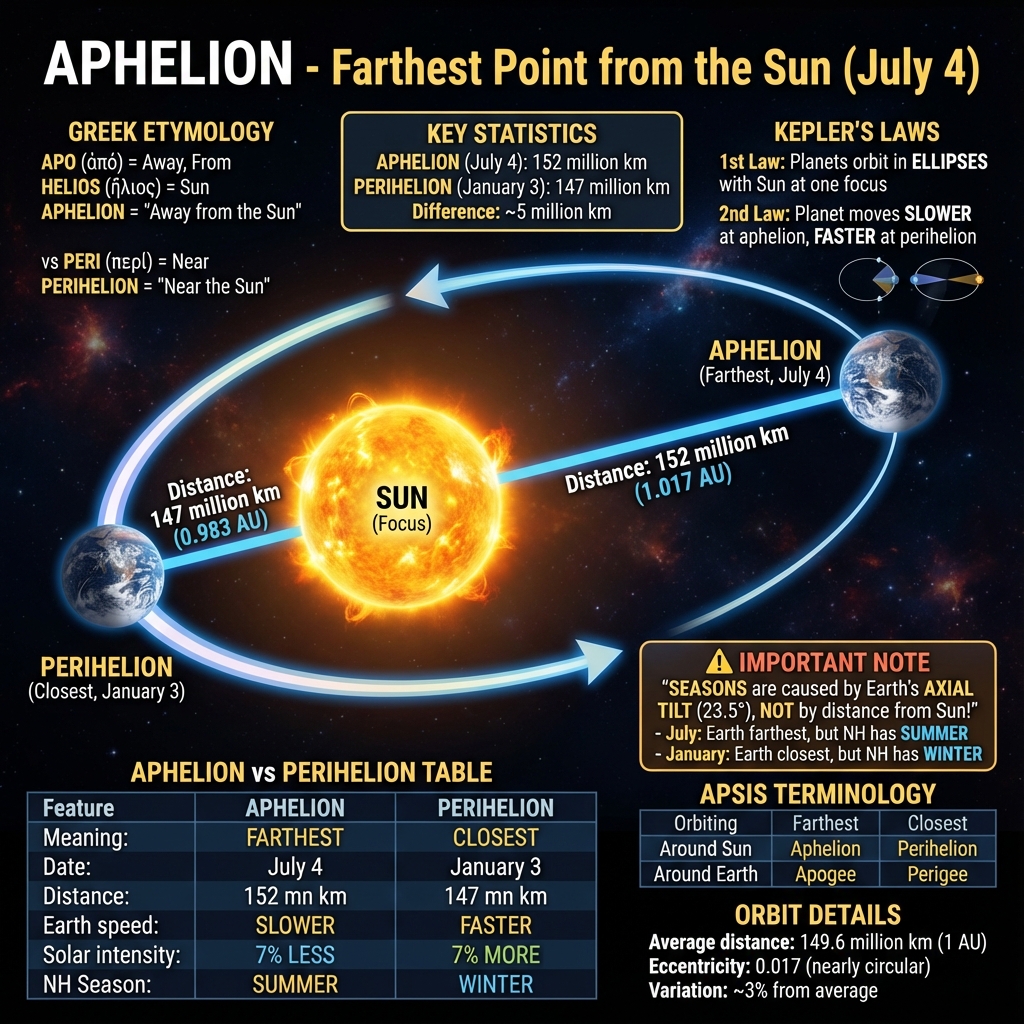
- Kepler's Laws of Planetary Motion: (1) Planets move in elliptical orbits with the Sun at one focus; (2) a planet sweeps equal areas in equal time (moves faster near perihelion); (3) the square of a planet's orbital period is proportional to the cube of its semi-major axis.
Visual & Illustrative Assets
🖼️ Supplemental Asset Directory
- Solar System Overview:
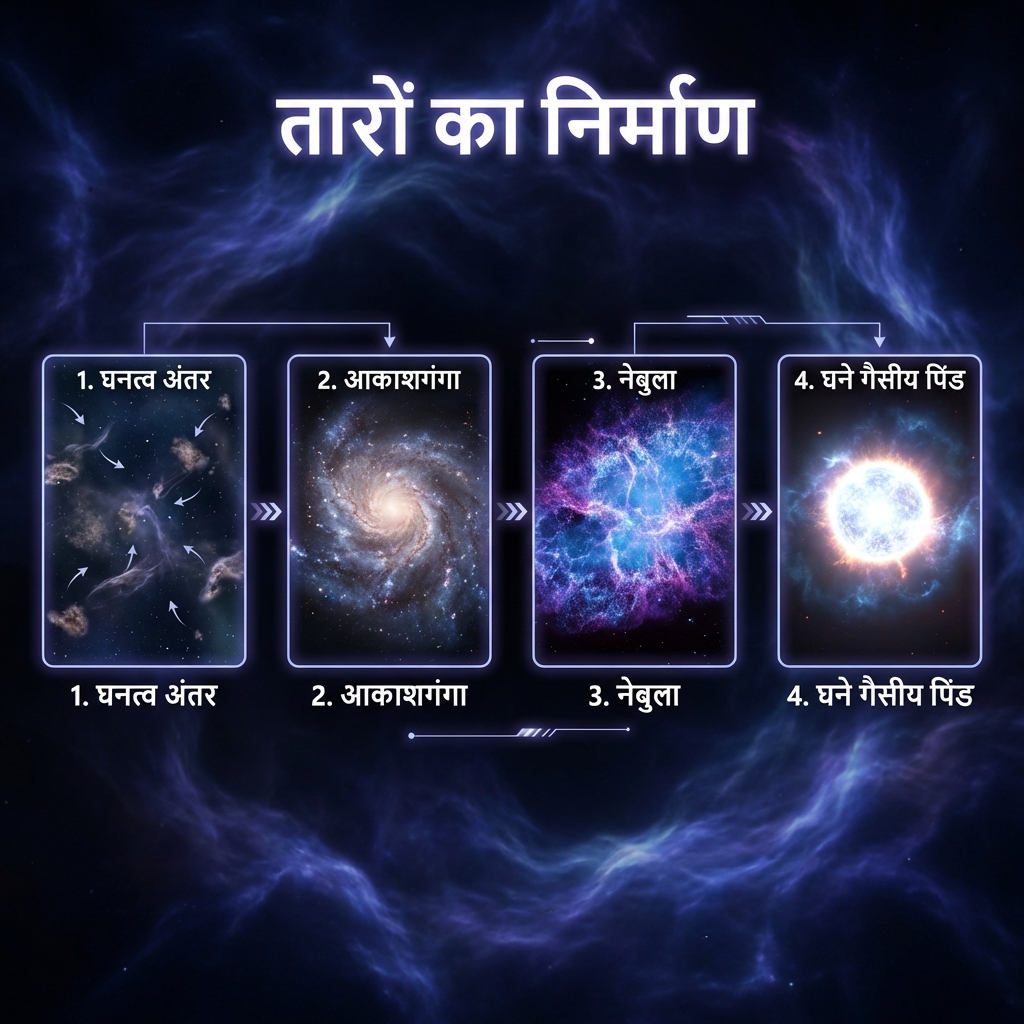
- Star Formation Process:
- Stellar Evolution Lifecycle:
- Celestial Black Holes:
- Earth's Origin Eons:
- Aphelion & Perihelion Orbit:
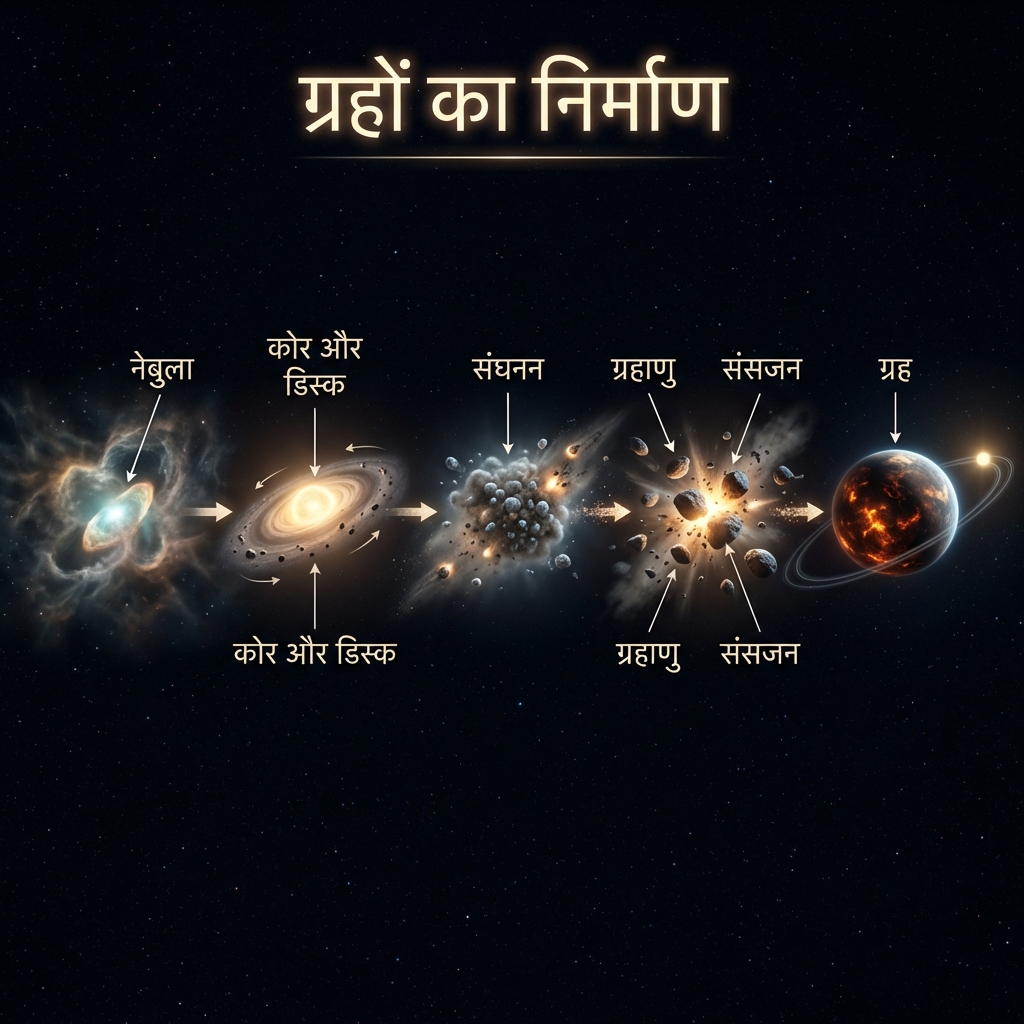
- Planetary Formation Stages:
- Big Bang Theory Expansion:
- Lunar Physical Features:
- Global Earth Perspective:
Mains Practice Questions
- "Explain the significance of the Big Bang Theory in understanding the origin of the universe and the cosmic microwave background."
- "Discuss the structural and composition-wise differences that distinguish Terrestrial planets from Jovian planets."
- "How does Tidal Locking explain the phenomenon where only one side of the Moon is visible from Earth?"