Oceanography: Relief, Currents & Resources
Ocean Basin Relief & Property Dynamics
Ocean Floor Relief Divisions
Ocean Floor Relief Divisions
| Cue Words | Notes |
|---|---|
| Detail the four major morphological divisions of the ocean floor and their features. | Divisions of the Ocean Basin:
|
Temperature, Salinity & Density Profiles
Temperature, Salinity & Density Profiles
| Cue Words | Notes |
|---|---|
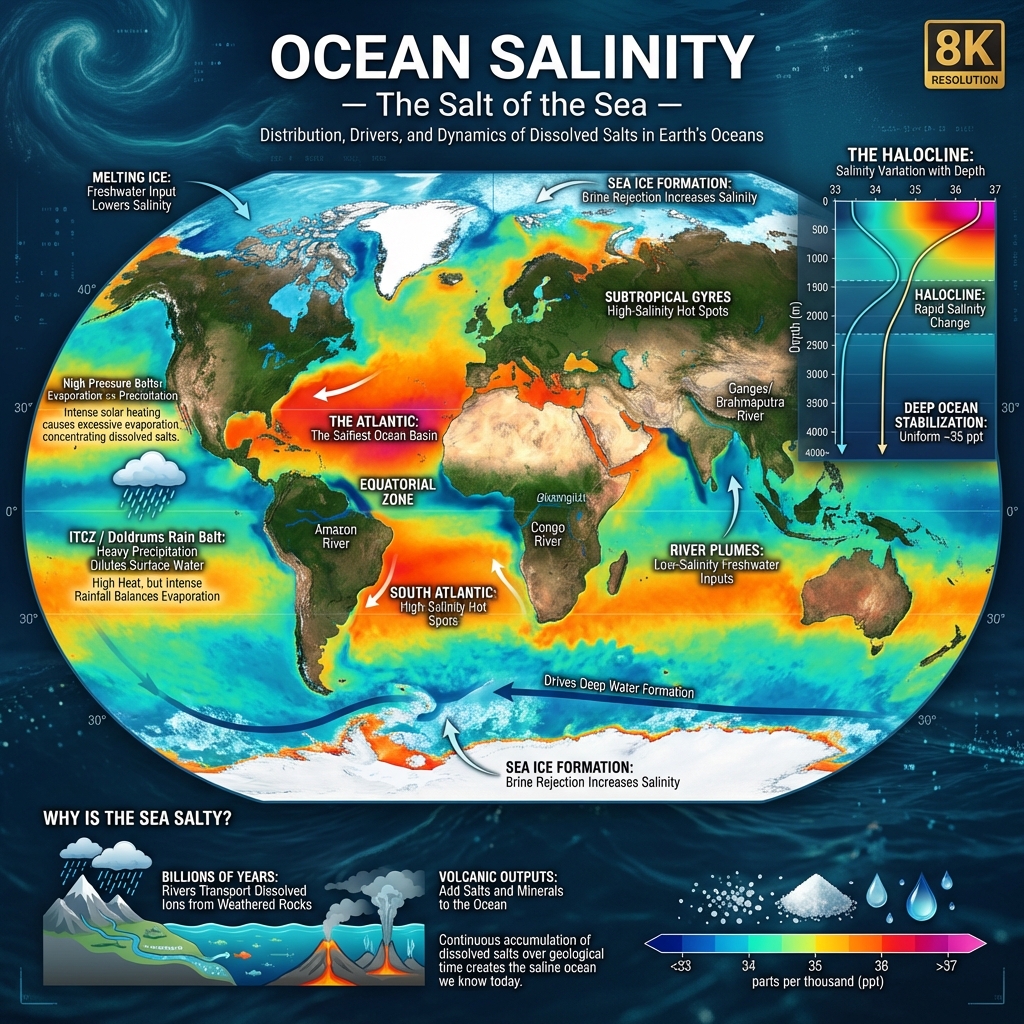
| Define average ocean salinity and explain its global latitudinal variations. | Ocean Salinity Dynamics:
|
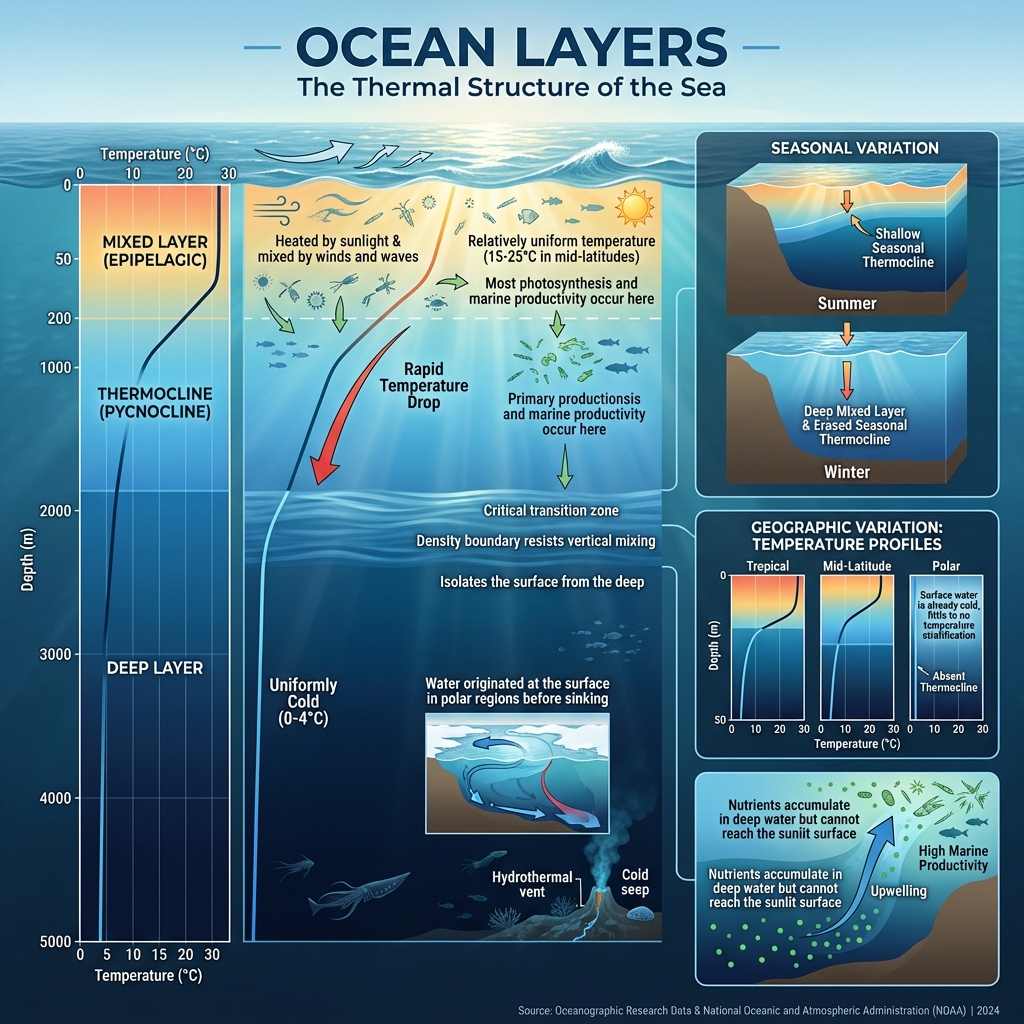
| Explain the Thermocline and explain how density differences drive ocean circulation. | Thermal Stratification & Density:
|
Ocean Dynamics, Ecosystems & Maritime Law
Waves, Tides & Ocean Currents
Waves, Tides & Ocean Currents
| Cue Words | Notes |
|---|---|
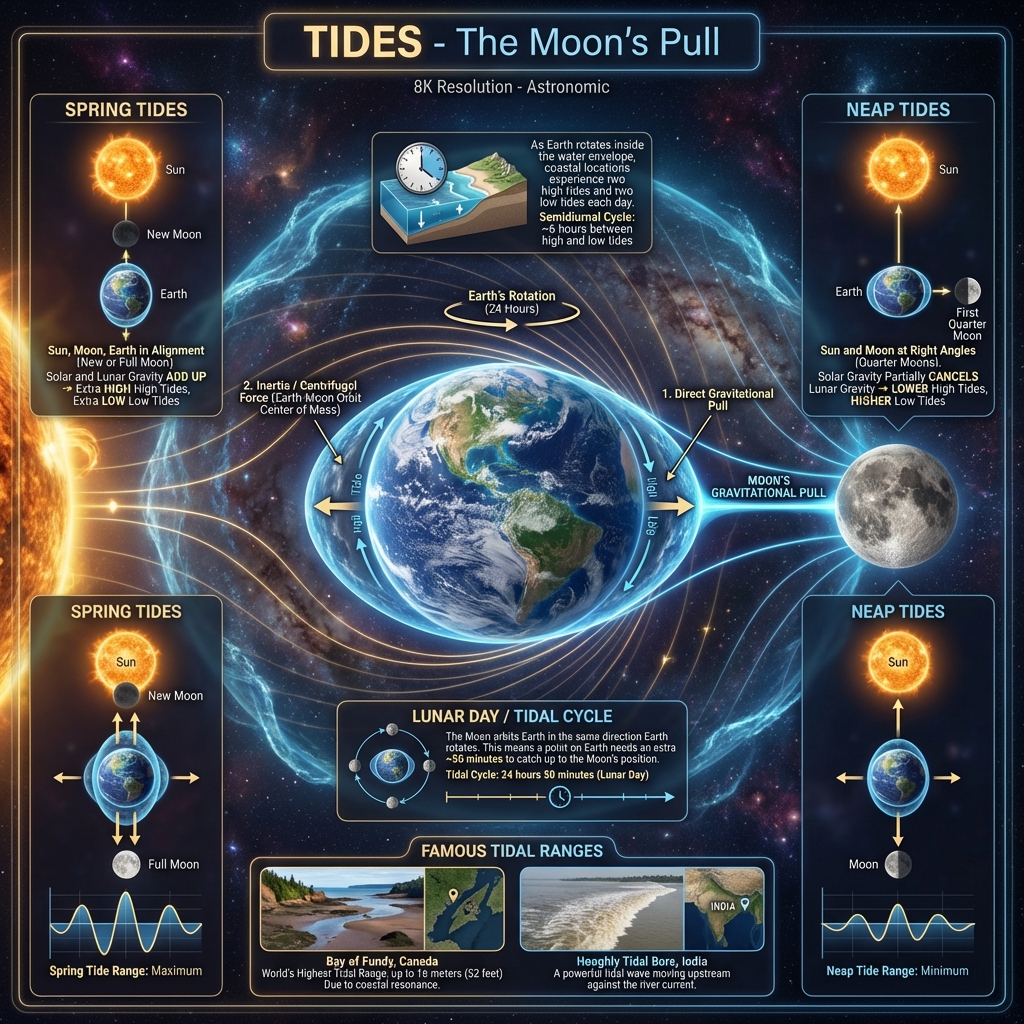
| Differentiate between Spring and Neap tides and state the tidal cycle period. | Tides (Gravitational Dynamics):
|
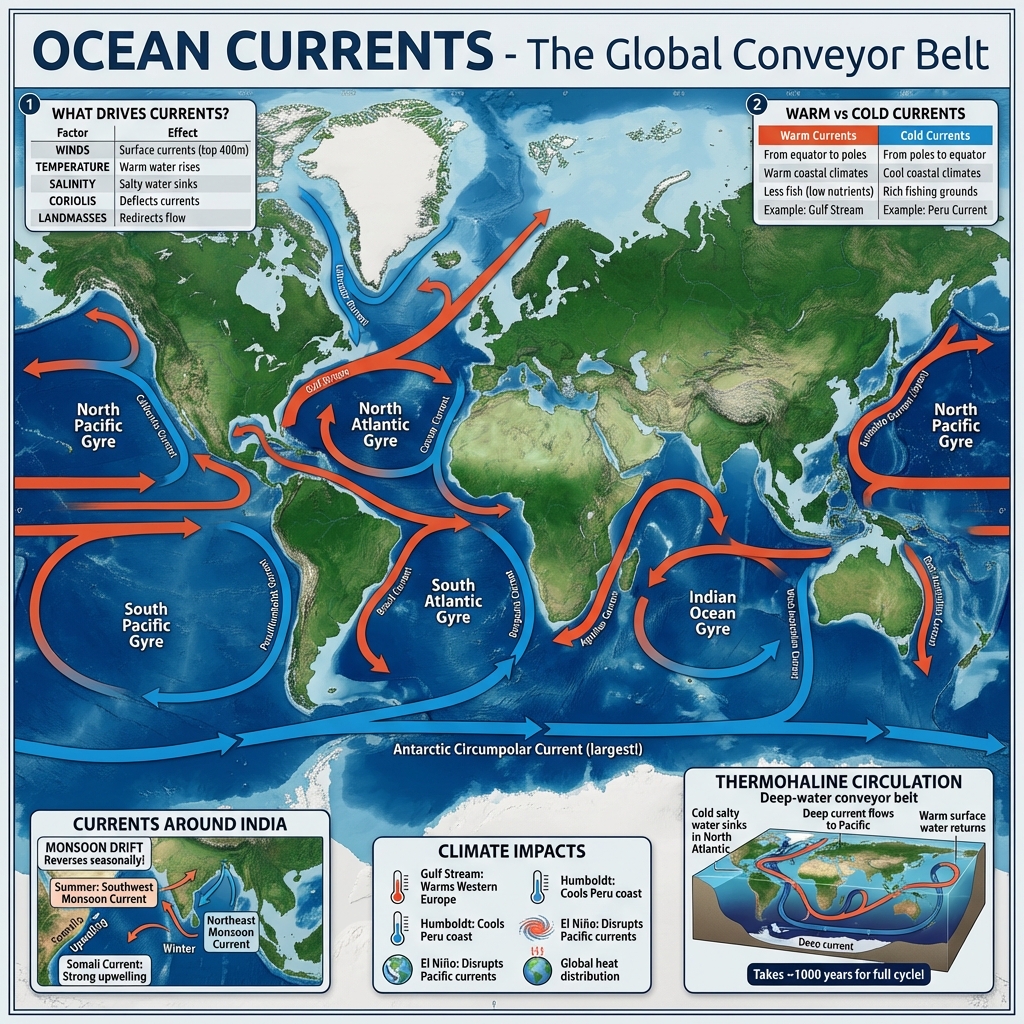
| Classify the major warm and cold currents of the Atlantic, Pacific, and Indian Oceans. | Global Ocean Currents Database:
|
Coral Ecosystems & Marine Resources
Coral Ecosystems & Marine Resources
| Cue Words | Notes |
|---|---|
| Explain the symbiotic relationship in coral reefs and their growth requirements. | Coral Reef Ecology:
|
| What is ocean upwelling and how does it support marine resources? | Ocean Upwelling: The process where wind-driven currents push surface waters away from coastlines, allowing cold, nutrient-rich deeper waters to rise to the surface. It provides massive concentrations of nitrates and phosphates that sustain plankton growth, making upwelling zones (e.g., Peru/Humboldt coast) the richest fishing grounds on Earth. |
Polar Research, Deep Sea Missions & UNCLOS
Polar Research, Deep Sea Missions & UNCLOS
| Cue Words | Notes |
|---|---|
| Highlight India's Deep Ocean Mission and polar research stations. | Indian Ocean Exploration:
|
| Define the maritime zones established by UNCLOS. | UNCLOS Zones (Law of the Sea):
|
High-Yield UPSC Revision Pointers
- Grand Banks: Located near Newfoundland, Canada. A highly productive fishing zone where the warm, tropical Gulf Stream collides with the cold, polar Labrador Current, creating nutrient mixing and dense fog.
- Sargasso Sea: A calm, saline region in the North Atlantic Ocean bounded not by land, but by a circular gyre of four currents (Gulf Stream, North Atlantic, Canary, and North Equatorial currents).
- High Seas Treaty (BBNJ): A landmark UN agreement to protect marine biodiversity in areas beyond national jurisdiction (international waters, which cover two-thirds of the ocean).
- Polymetallic Nodules: Potato-sized mineral accretions lying on abyssal plains, rich in Manganese, Nickel, Cobalt, and Copper.
🌊 ENSO: El Niño & La Niña
- Walker Circulation: Under normal conditions, trade winds push warm surface water westward across the Pacific (toward Indonesia/Australia), while cold water upwells off the coast of Peru — this east-west atmospheric circulation loop is the Walker Circulation.
- El Niño: A periodic weakening (or reversal) of trade winds that lets warm water pool in the eastern/central Pacific (off South America), suppressing the Peruvian upwelling and typically correlating with weaker Indian monsoons.
- La Niña: The opposite phase — stronger-than-normal trade winds intensify cold-water upwelling off Peru and are generally associated with stronger/above-normal Indian monsoons.
- ENSO: El Niño-Southern Oscillation is the umbrella term for this coupled ocean-atmosphere oscillation between El Niño (warm phase) and La Niña (cool phase), monitored via the Southern Oscillation Index (SOI).
Visual & Illustrative Assets
🖼️ Supplemental Asset Directory
- Continental Shelf Resources and Economics:
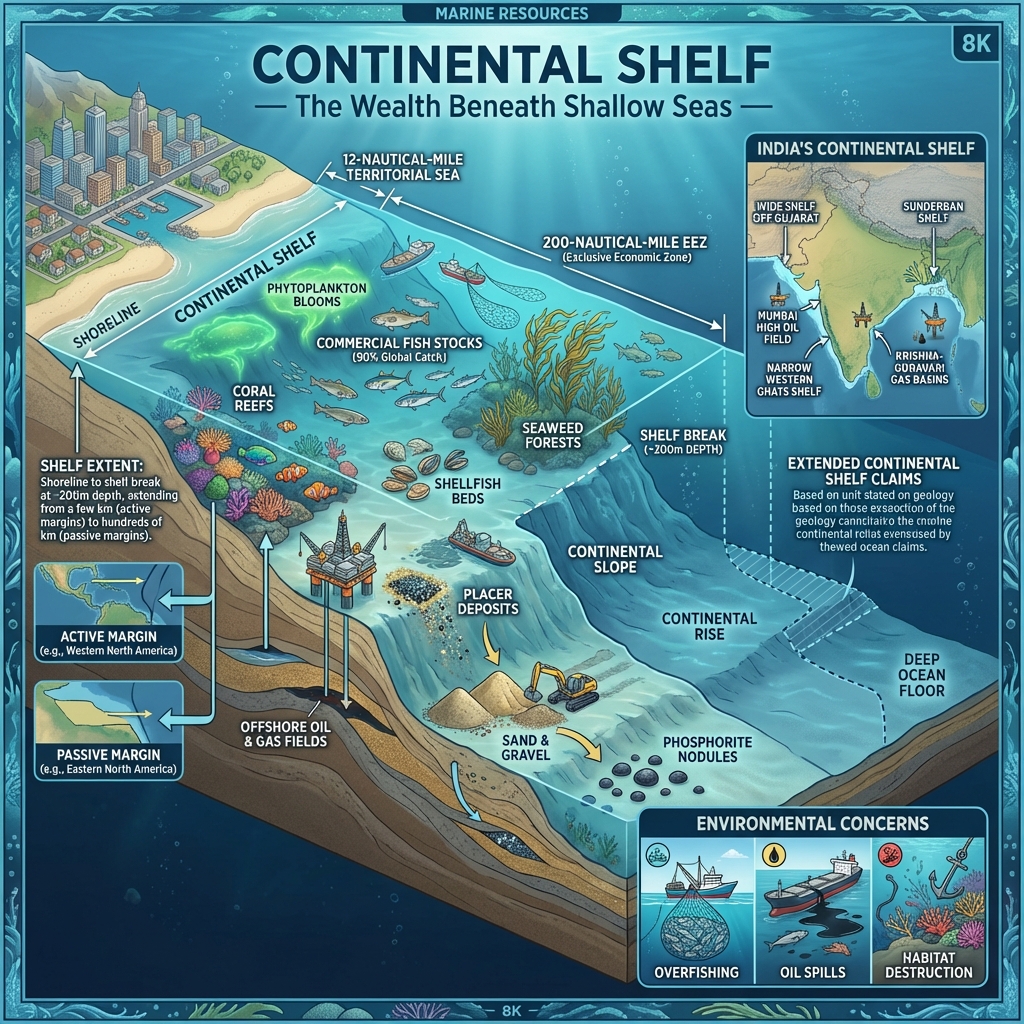
- Ocean Floor Relief and Continental Shelf:
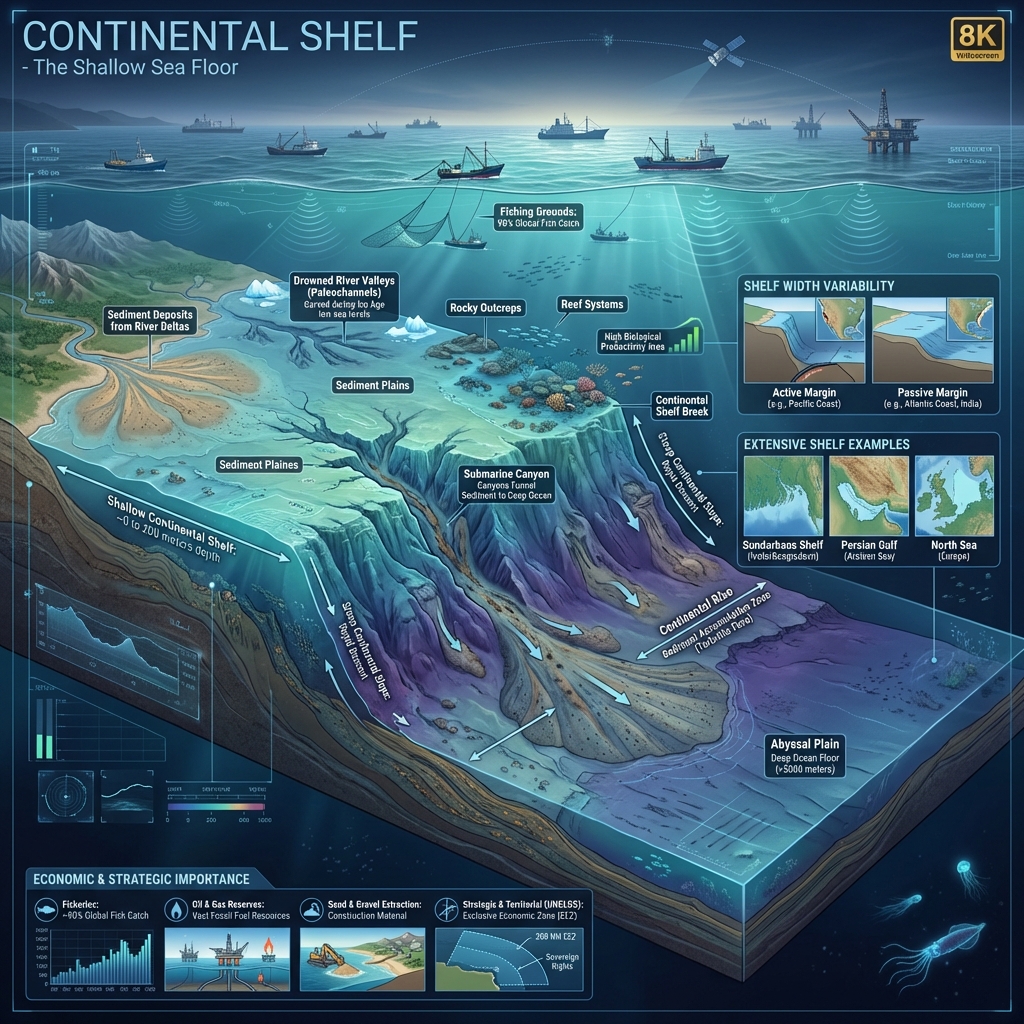
- Oceanic Zones (Bathyal and Abyssal):
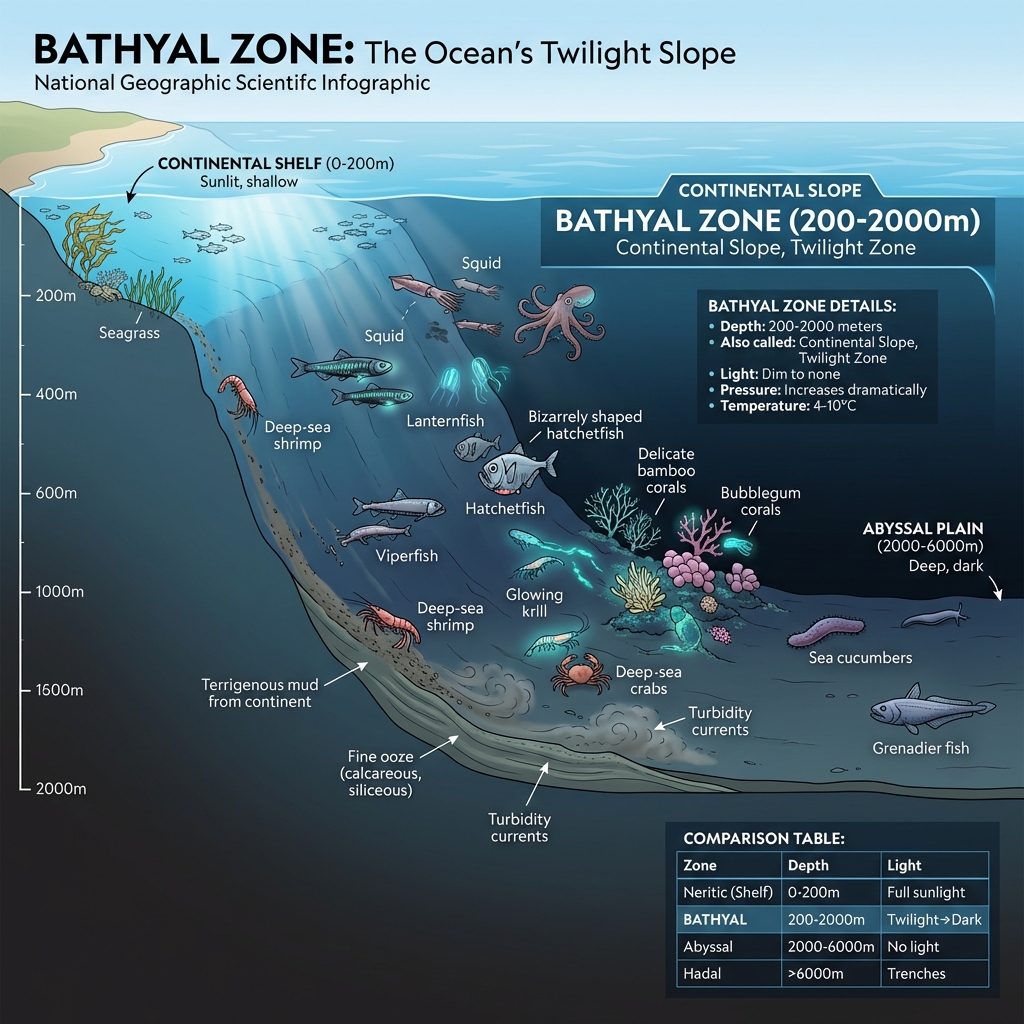
- Oceanic Zones (Alternative):
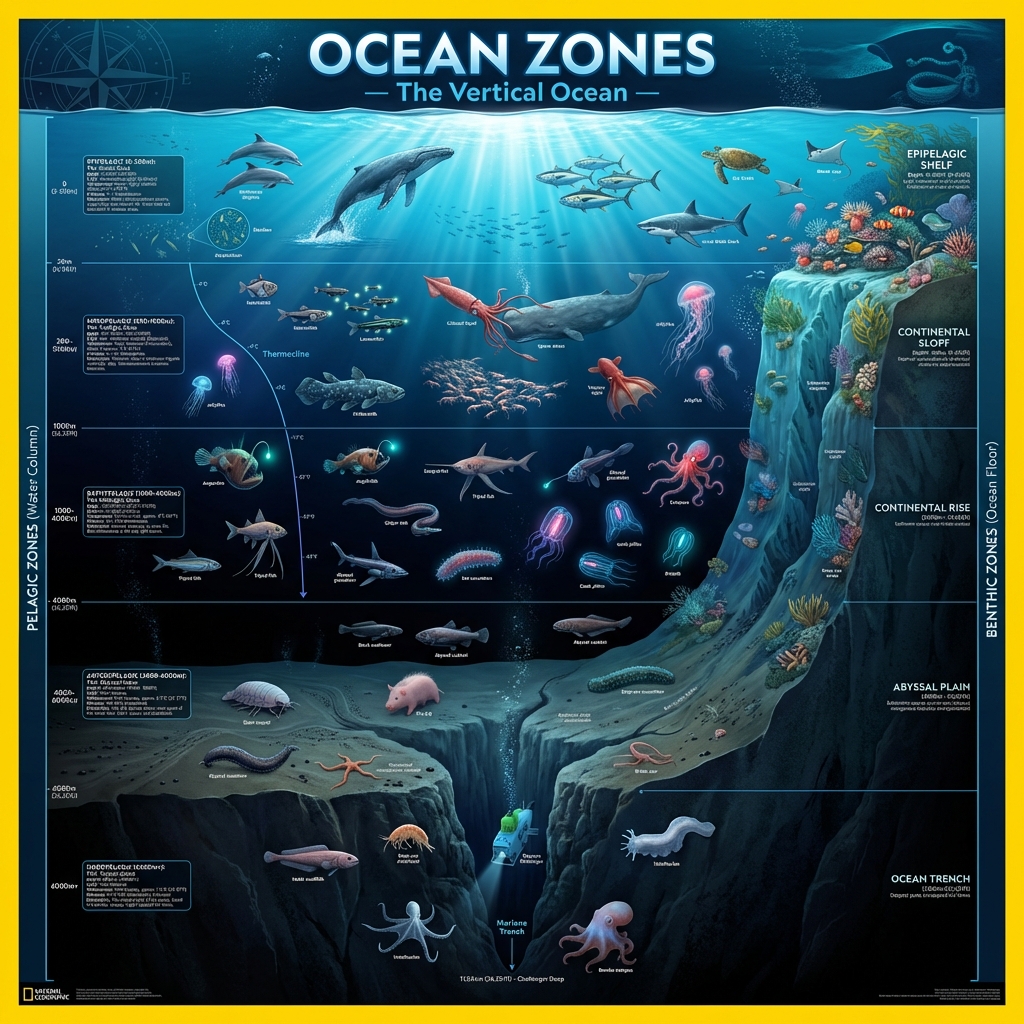
- Ocean Floor Relief Features:
- Ocean Thermal Stratification and Thermocline:
- Salinity and Density Currents:
- Tide Formation and Lunar Mechanics:
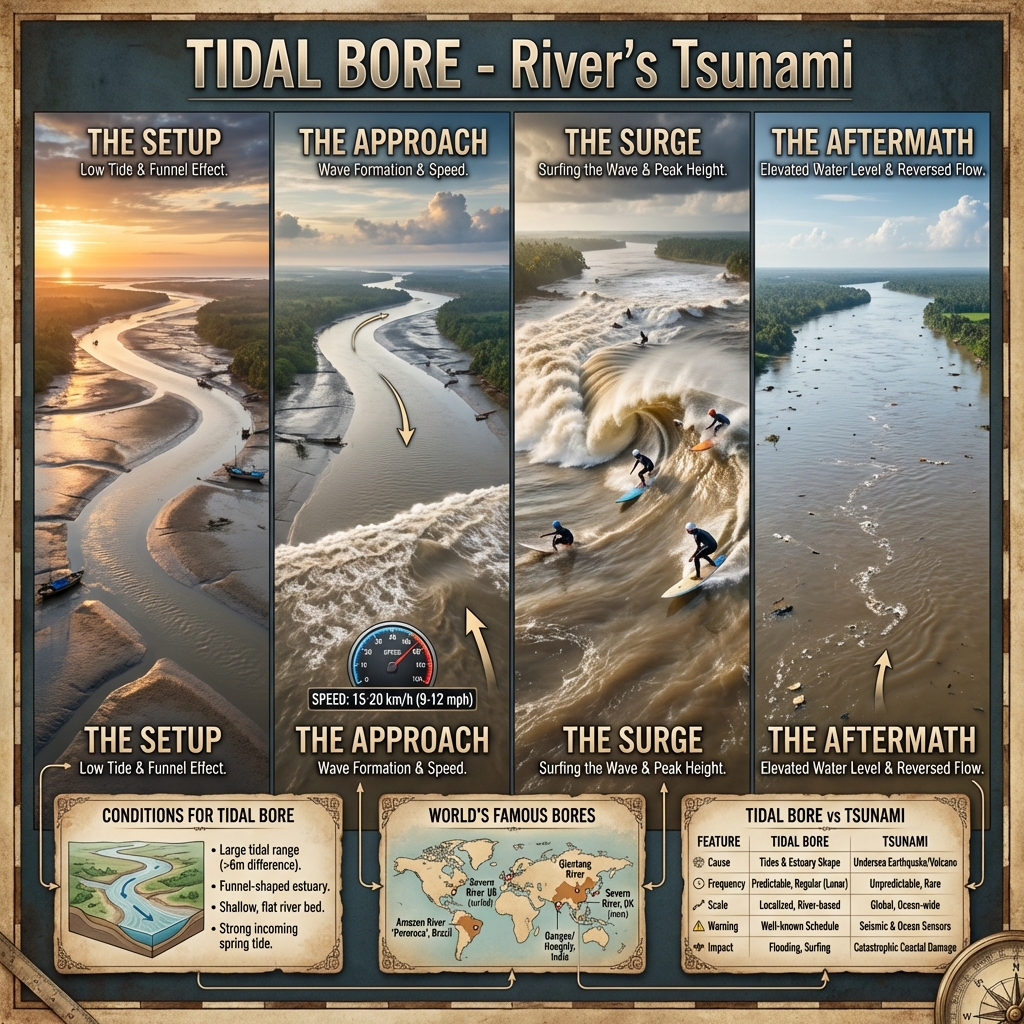
- Tidal Bore Mechanism:
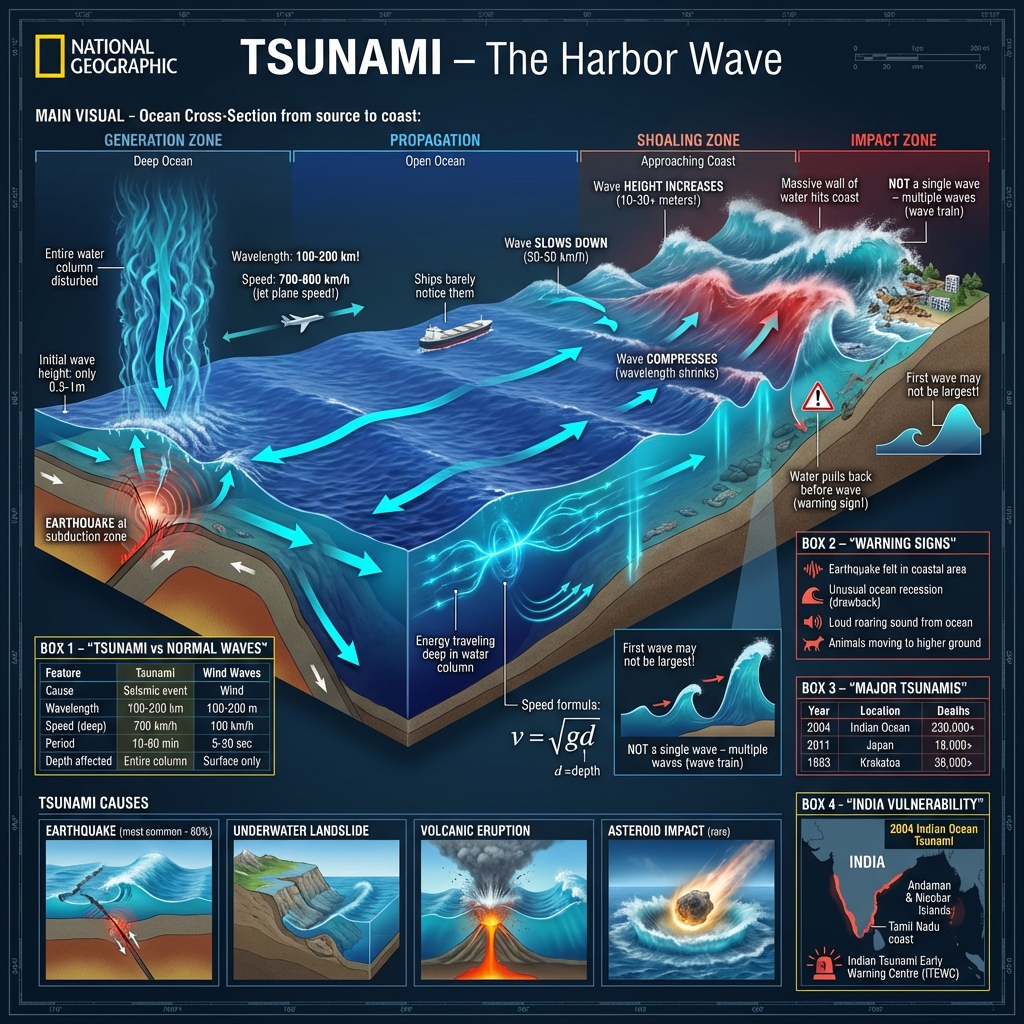
- Tsunami Generation and Propagation:
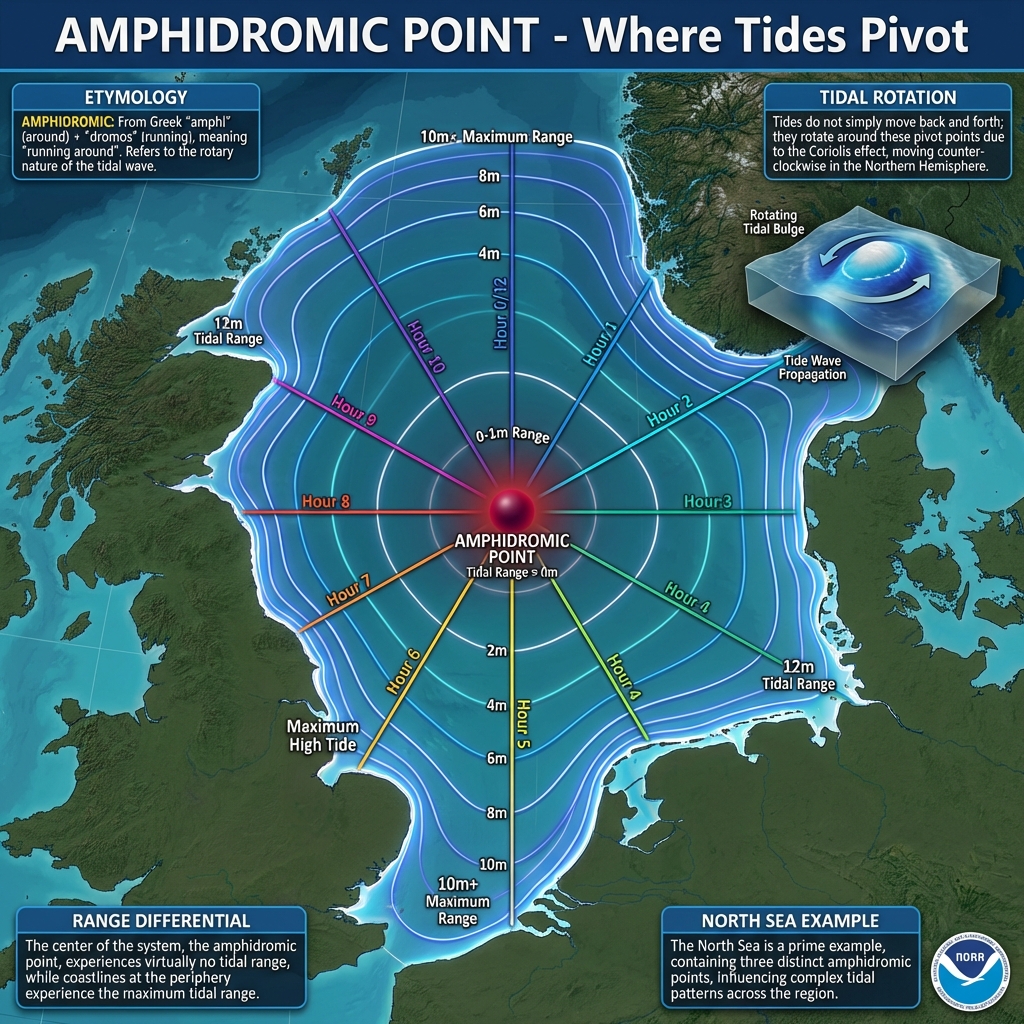
- Amphidromic Points and Tidal Ranges:
- Global Ocean Currents Map:
- Ocean Gyres Circulation:
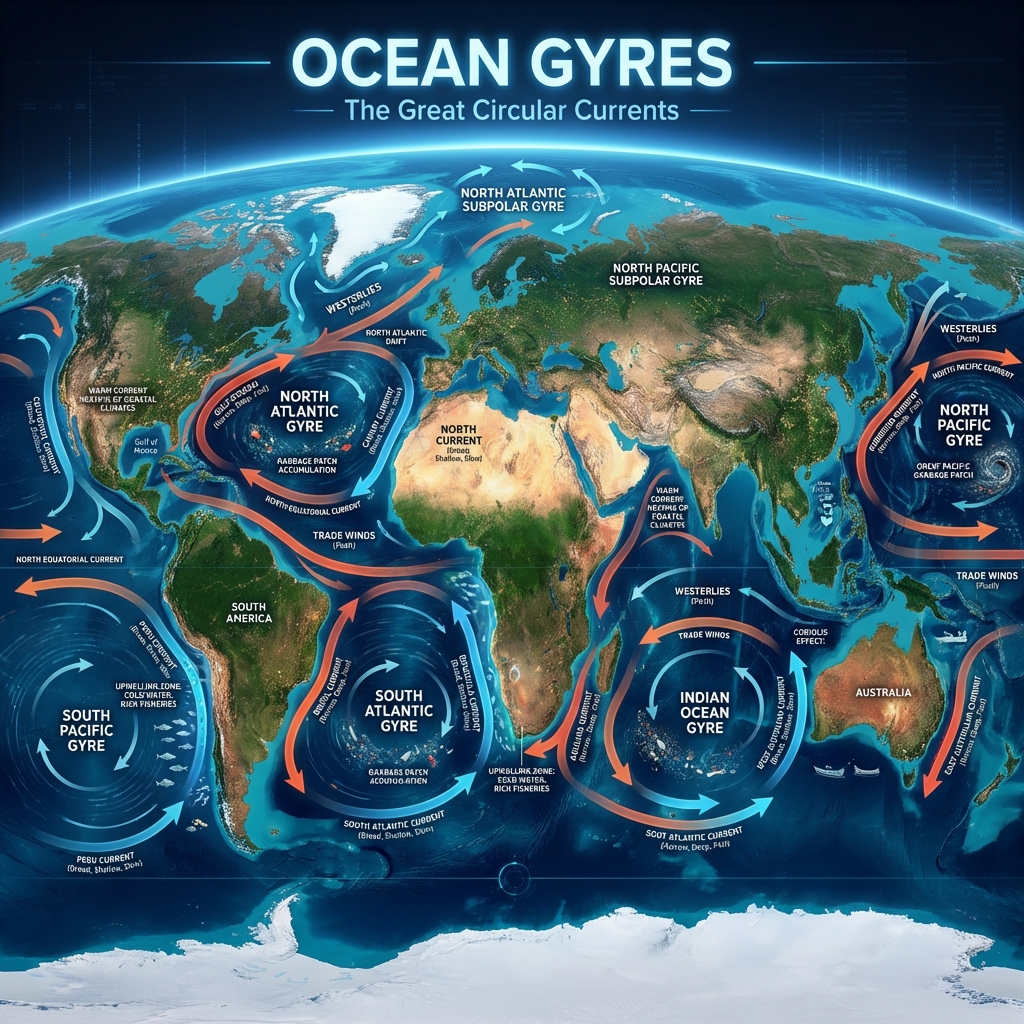
- Ocean Currents Map (Warm vs Cold):
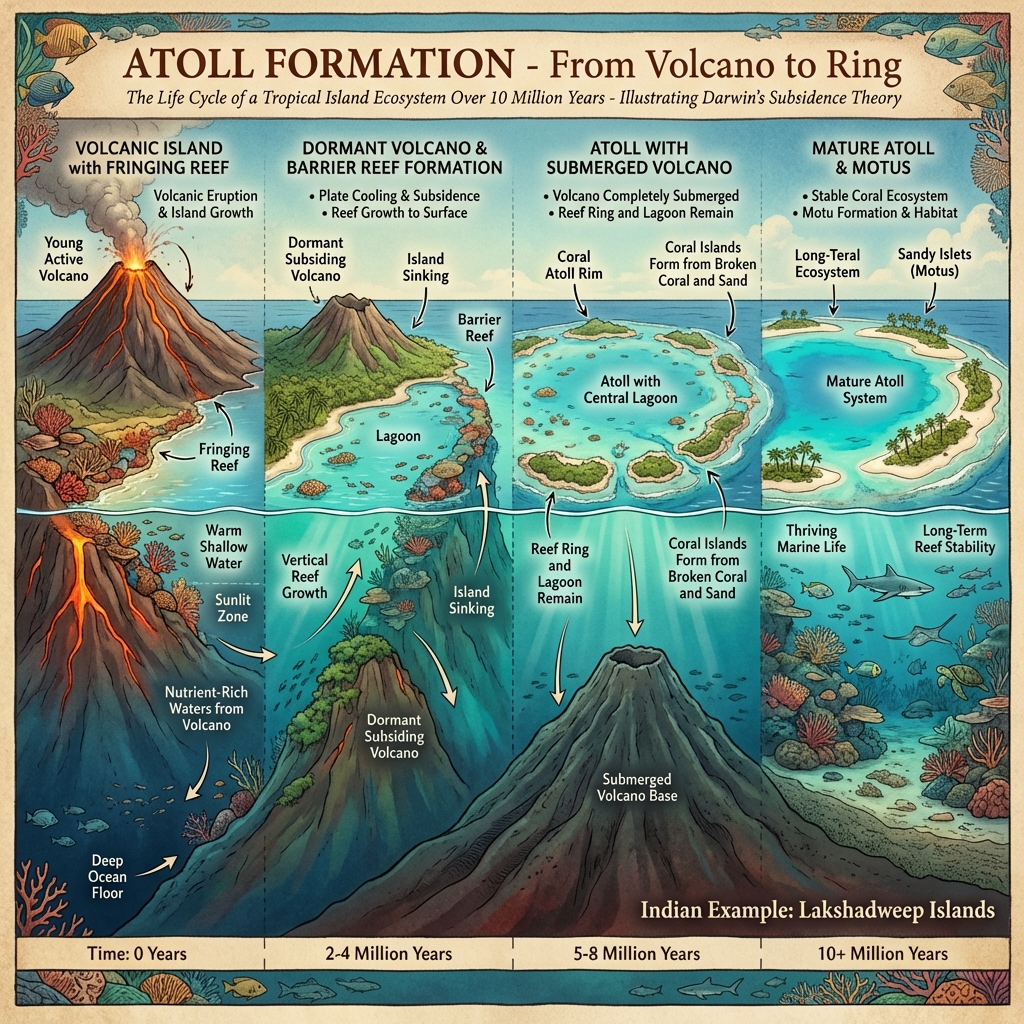
- Atoll Formation and Evolution:
- Coral Reef Ecosystem:
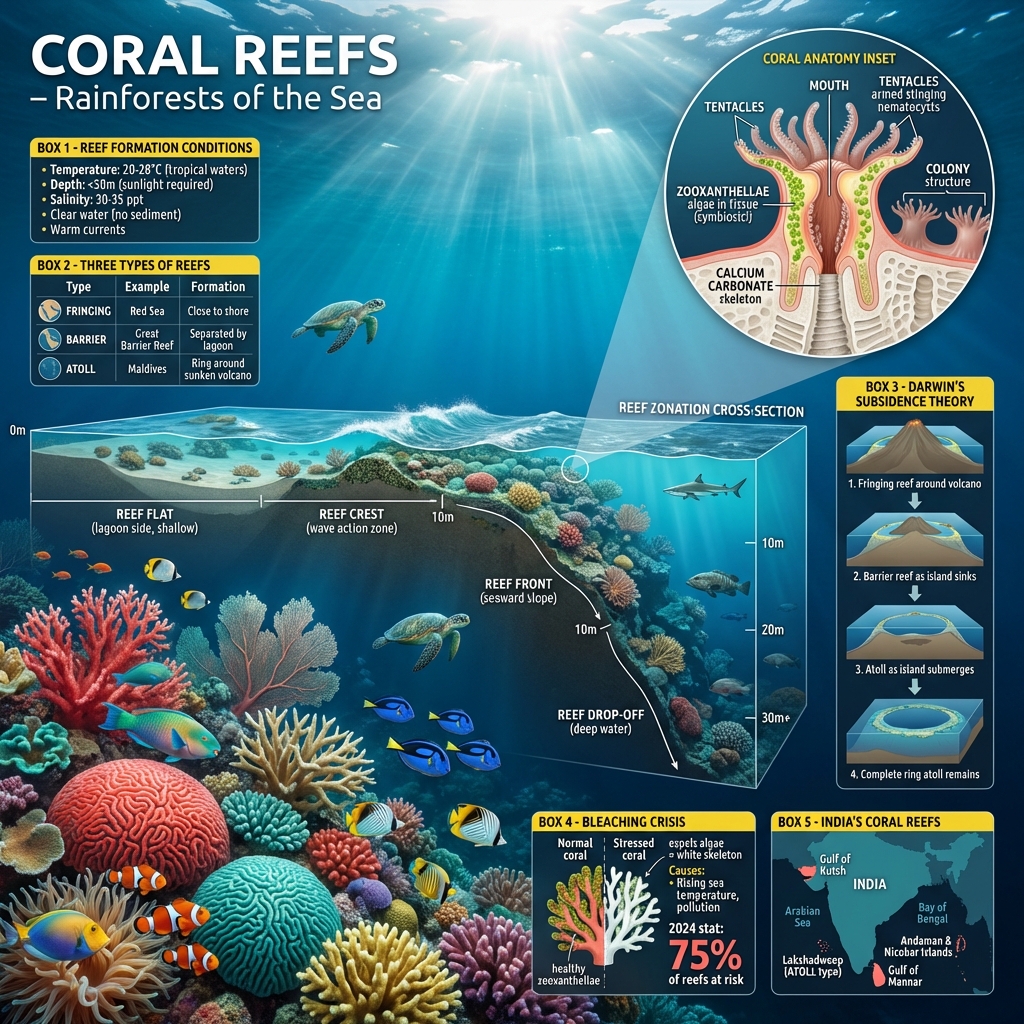
- Coral Bleaching Process:
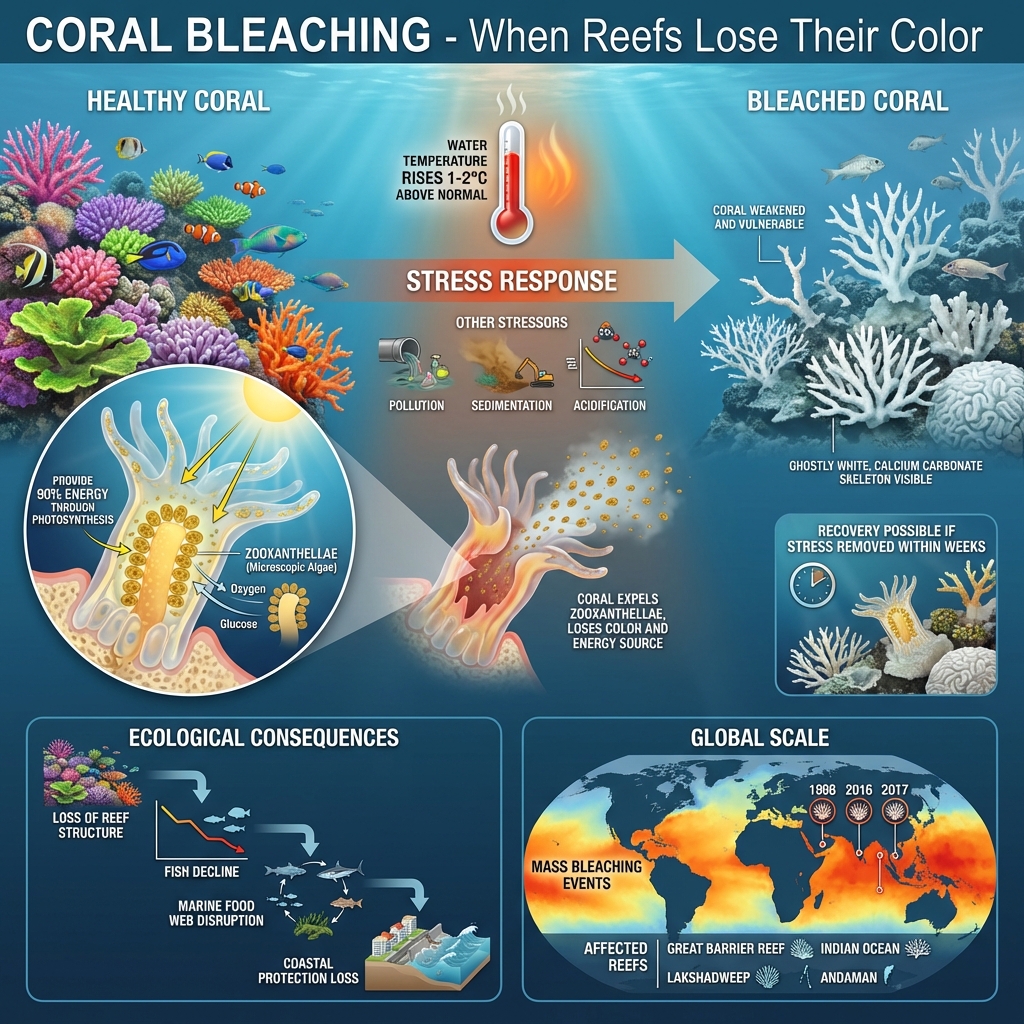
- Benthos Deep-sea Marine Ecosystem:
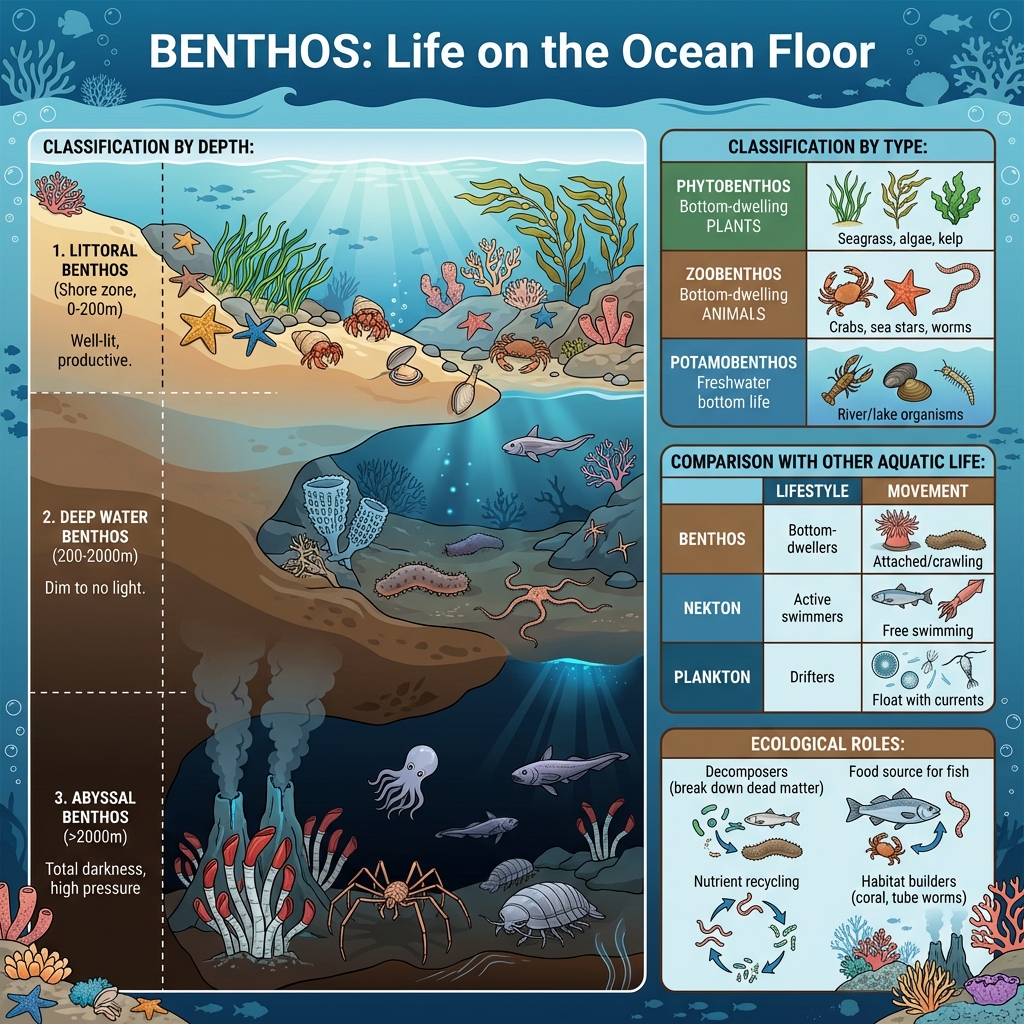
- Lake Stratification and Thermal Layers:
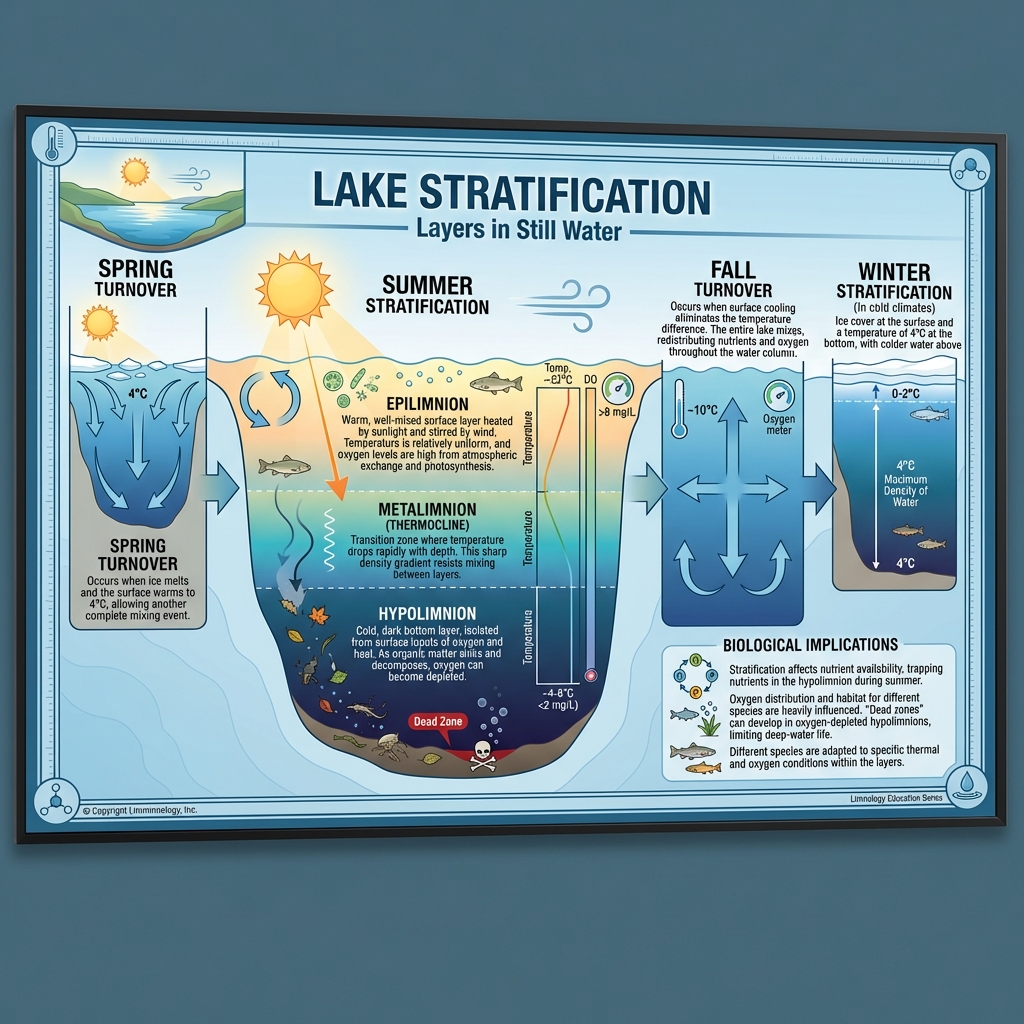
- Black Smoker Hydrothermal Vents:
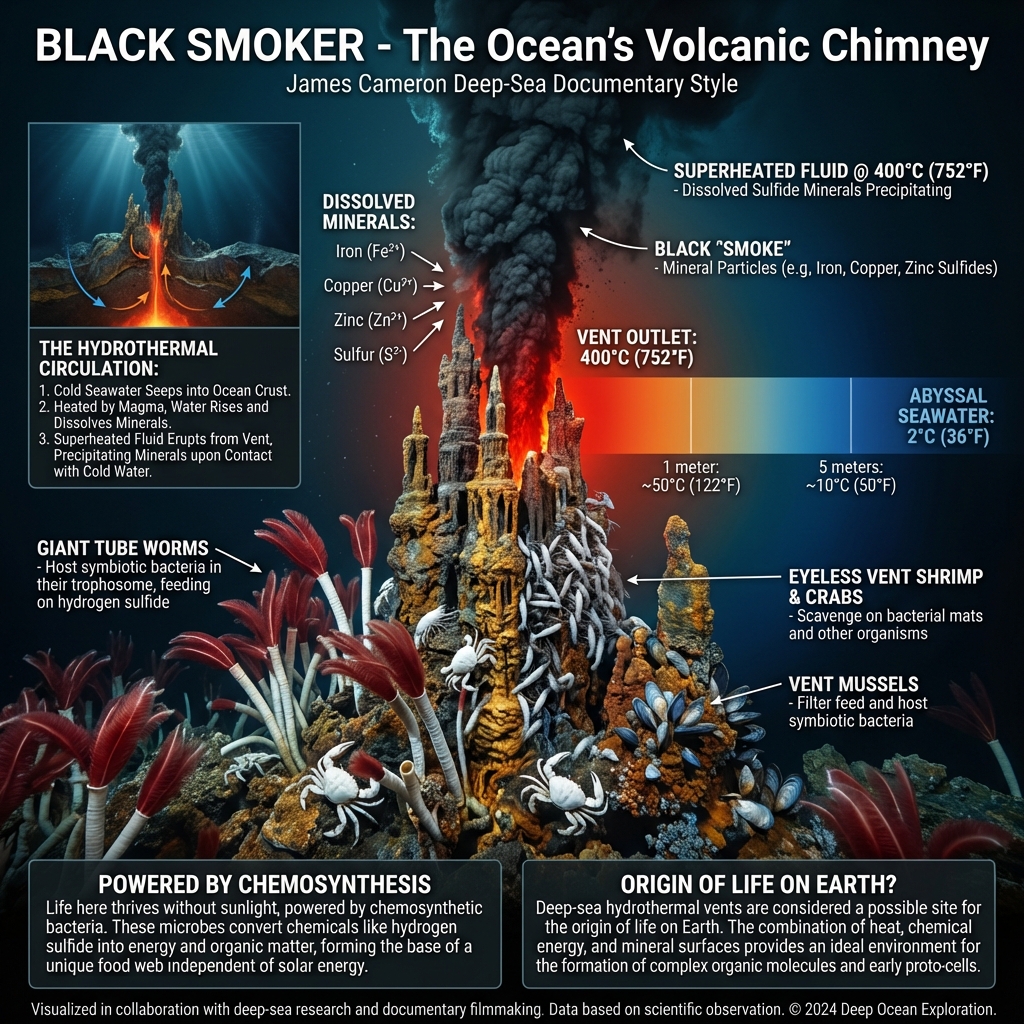
- UNCLOS Maritime Zones:
Mains Practice Questions
- "Explain the factors affecting the Salinity of Ocean Waters and its spatial distribution."
- "Discuss the impact of Ocean Currents on global climate and regional economies."
- "Analyze the significance of the Deep Ocean Mission for India's maritime security and resource self-reliance."